Calorie-conscious snack packers
Compare the kcal for the bar or declared serving you plan to eat. A figure for two bars answers a different question from a figure for one.


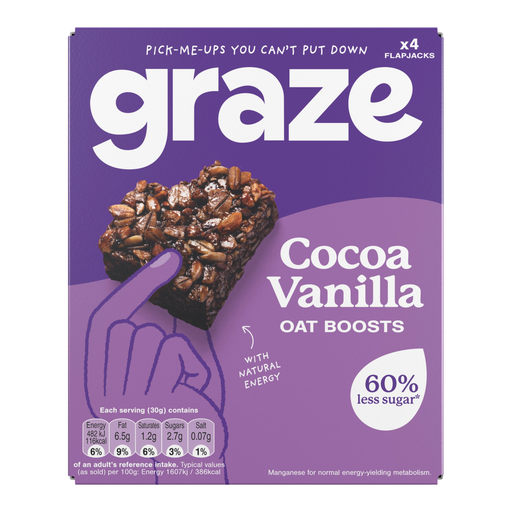
For a road-trip snack, compare the kcal for the bar or serving you expect to eat, rather than treating a protein, oat or lower-sugar label as proof of fewer calories. Kellogg’s UK lists 104 kcal for its 27g Special K Red Berry Bar, while Tesco lists 116 kcal for a 30g Graze Cocoa Vanilla Oat Boost. Those figures apply to those specific portions: check the current pack for its serving size, ingredients and allergens before choosing a different format.
The useful comparison depends on whether calories per snack, another nutrition figure or a dietary requirement matters most for the journey.
Compare the kcal for the bar or declared serving you plan to eat. A figure for two bars answers a different question from a figure for one.
Check fibre alongside serving size and kcal if it matters to your choice. The reviewed oat-flapjack portions and cereal bars list different amounts, so neither the format nor the smallest calorie figure answers everything.
Check protein, vegan or gluten-free statements on the exact product where relevant, and read its current allergen declaration before packing it for anyone else.
Start with the portion you would actually eat, then compare the other label details that affect your choice. NHS food-label guidance distinguishes nutrition figures per 100g from figures sometimes supplied per portion.
| Priority | What to check | Your needs |
|---|---|---|
| Calories and portion | Read kcal per bar or declared serving, its weight in grams and whether a serving contains one bar or two. Use per-100g figures as a separate comparison. | I want to know the calories in the amount I will pack and eat, not mistake a two-bar serving for one bar. |
| Sugars and other nutrition | Compare sugars, fat and saturates alongside kcal for the same serving. A protein or lower-sugar description does not supply the calorie figure. | A label claim may catch my eye, but I still want to see the full nutrition panel for that portion. |
| Fibre and protein | Read the stated grams per portion and the corresponding kcal. Tesco lists 4.9g fibre per 30g Graze Cocoa Vanilla Oat Boost and 10.4g protein per 40g Eat Natural Peanuts, Almonds & Salted Caramel bar; the portions differ. | If fibre or protein matters more to me than the lowest kcal figure, I can make that trade-off using the figures for each bar. |
| Ingredients and suitability | Check the current ingredients and allergen declaration. Confirm any vegan or gluten-free statement on the exact variant rather than assuming it applies across a range. | I need a bar that fits the person eating it, particularly if I am packing snacks for someone with an allergy. |
A 27g bar and a 50g flapjack are different-sized snacks. Nature Valley UK declares nutrition for two Apple & Cinnamon bars as one 42g serving, so its serving figure should not be read as the figure for one bar.
Check kcal for the amount you intend to eat first; use per-100g information when you want to compare products on the same weight basis.
Protein and ingredient descriptions serve different purposes from an energy declaration. Tesco lists 198 kcal and 10.4g protein for the reviewed 40g Eat Natural bar; TREK lists 227 kcal and 9g protein for its 50g Cocoa Oat bar.
Choose on the basis of the label figures that matter to you, keeping each bar’s serving size alongside them.
The reviewed bars have different ingredient and allergen declarations, including cereals, milk, soya and nuts in particular products.
Read each physical pack before departure, especially when buying for someone with an allergy; a product name is not an allergen declaration.
Alpen Muesli UK lists Alpen Light Chocolate & Orange bars and several other Alpen bar varieties as no longer being made. Their historic listings do not establish a current purchase option.
For a comparison before your trip, use the nutrition panel and availability information for the exact product you intend to buy.
These examples illustrate how serving sizes and product lines differ; a figure for one named bar should not be applied to another variant or pack format.
Kellogg’s UK lists its Special K Red Berry Bar as a 27g serving.
The reviewed Cocoa Vanilla and Honey Oat Boost flapjacks are declared as 30g portions in Tesco’s product listings.
Nature Valley UK gives a two-bar, 42g serving for its reviewed Crunchy Apple & Cinnamon Flavour Bars.
Tesco lists the reviewed Peanuts, Almonds & Salted Caramel Protein Bar as a 40g bar.
TREK lists Cocoa Oat as a 50g bar with a vegan statement.
Alpen Muesli UK identifies specific Alpen and Alpen Light bar varieties that are no longer being made.
These cereal-bar and oat-snack formats offer different pack and portion sizes for a road-trip snack. Compare the current nutrition and allergen information for each exact product before choosing by calories.
 No image available
The pack contains four 30g oat-square portions. Compare the kcal and ingredients on this exact pack rather than using figures for a differently named Graze flapjack.
 No image available
Each bar in this six-pack is labelled as 21.5g. Check its own kcal per bar and allergen declaration when comparing it with the larger reviewed Special K Red Berry serving.
 No image available
This pack specifies 21.5g bars, not the 27g serving in Kellogg’s UK nutrition example. Use the current pack’s figures for this format and check its allergens.
 No image available
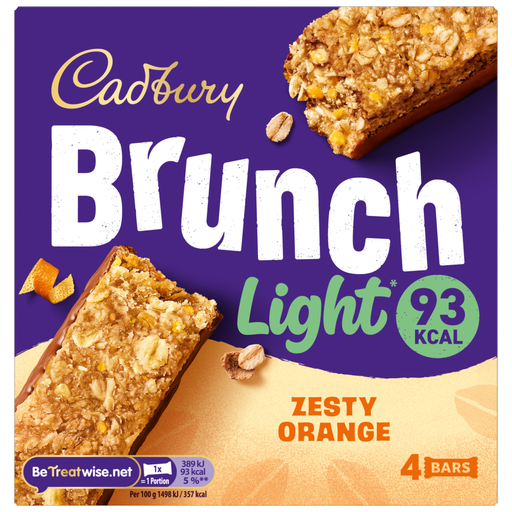
The named pack contains four bars and weighs 104g in total. Check the nutrition panel for the portion you plan to eat; the word ‘Light’ is not a kcal figure.
 No image available
This Cherry Bakewell pack specifies four 30g portions. Use its own nutrition and ingredient label rather than transferring figures or suitability statements from the Cocoa Vanilla or Honey variants.
Compare kcal for the bar or declared serving you expect to eat, and check its weight and how many bars make up a serving. NHS food-label guidance says nutrition information is given per 100g and sometimes per portion; those are different comparison bases.
No. Sugars and energy are separate figures on the nutrition label. Check kcal, sugars, fat and saturates for the same portion rather than choosing from a lower-sugar description alone.
Tesco lists 4.9g fibre per 30g portion for both Graze Cocoa Vanilla Oat Boost and Graze Honey Oat Boost. Their stated energy differs: 116 kcal and 129 kcal per portion respectively.
No. Dietary-suitability statements and allergen declarations apply to the exact product. Read the current pack for ingredients and any allergen warnings, especially when sharing snacks with someone who has an allergy.
Alpen Muesli UK lists Alpen Light Chocolate & Orange bars as no longer being made. Do not treat an old listing for that variety as confirmation that it is a current purchase option.