Students needing a snack between commitments
If you want something portioned for a gap between lectures, travel or a shift, compare the kcal, sugars and weight of one bar rather than relying on its packaging description.


For a lower-calorie cereal bar, compare kcal and sugars for the bar you will actually eat, alongside its weight; words such as “protein” or “natural” do not settle that choice. A small bar can work as a snack, but if it would otherwise be dinner, plan for other meal components too: NHS balanced-diet guidance includes starchy foods, protein foods, fruit and vegetables.
The right bar depends on whether you need a snack between commitments, are planning an evening meal, or must check a particular ingredient or allergen.
If you want something portioned for a gap between lectures, travel or a shift, compare the kcal, sugars and weight of one bar rather than relying on its packaging description.
Check how many bars are in a pack and whether you are buying them for occasional snacks or expecting them to stand in for dinner. A small snack portion does not provide the variety of a meal on its own.
Read the current pack for ingredients, dietary claims and precautionary allergen statements. Vegan and gluten-free suitability cannot be inferred from the words “oat bar” or “cereal bar”.
Start with the portion you intend to eat, then decide whether it is a snack or part of dinner. Check the exact pack before relying on a dietary claim.
| Priority | What to check | Your needs |
|---|---|---|
| Portion and nutrition | Compare declared kcal and sugars per bar, as well as bar weight. If you eat two bars, use the figures for both; traffic-light labels can help compare other declared nutrients where present. | I want a smaller snack, so I need to know what one bar actually provides—not just what the front of the pack calls it. |
| Snack or dinner | Decide whether the bar is for a gap between meals or an evening meal. For dinner, consider a starchy food, a protein source and fruit or vegetables; NHS balanced-diet guidance calls for variety across food groups. | If I am replacing dinner rather than having a snack, I need other meal components as well as the bar. |
| Dietary suitability | Read the exact pack for ingredients, allergen statements and any explicit vegan or gluten-free claim. Recheck it when buying, as recipes can change. | For an allergy or dietary restriction, I cannot choose by flavour or cereal type alone. |
| Pack format | Check the number of bars, each bar’s stated weight and whether a serving contains more than one bar. | I want to know how many separate snack portions the pack gives me, especially when the label describes a twin-bar serving. |
Those words do not tell you the energy in the portion. For example, Tesco lists Graze Cocoa Vanilla Oat Boost at 116 kcal per 30g bar, while TREK declares 227 kcal per 50g Cocoa Oat bar; the portions differ as well as the kcal figures.
Compare kcal, sugars and serving weight on the current labels. Treat protein or fibre as separate considerations rather than substitutes for that comparison.
A bar is a limited way to cover an evening meal. NHS balanced-diet guidance includes starchy foods, protein foods, fruit and vegetables across the diet.
When dinner needs to be quick, plan a simple meal with those components instead of relying on the bar alone; keep the bar for a snack or as an addition.
Ingredients and precautionary allergen statements differ between bars, and Nature Valley advises that its recipes may be reformulated.
If an ingredient or dietary claim matters to you, check the exact current pack before eating it.
These examples show why the exact product and portion matter more than the brand name; they do not establish the nutrition of every bar in a range.
The Cocoa Vanilla Oat Boost is an example of a smaller oat-based snack portion.
The Cocoa Oat flapjack offers a different portion and protein content from the smaller Graze example.
The Almond & Apricot yoghurt-coated bar is a fruit-and-nut format to assess by its own label.
Its range includes crunchy oat and protein-bar formats, so the product and serving size need to be identified.
Its cereal-snack lines include Special K products, but selection still depends on the particular bar.
Older references to Alpen Light bars need a product-name check before they inform a purchase.
These Joybuy options are portioned cereal-bar snacks to consider alongside a student meal plan, not substitutes for a complete dinner. Compare each pack’s current nutrition and ingredients before choosing.
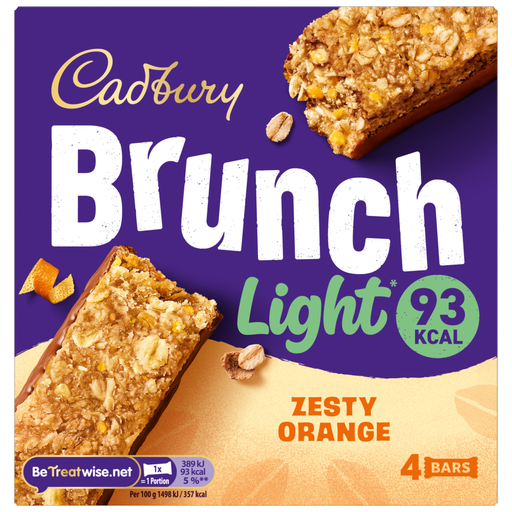 No image available
A four-pack to consider for separate snacks rather than as dinner. Check the current pack’s per-bar nutrition and ingredients before deciding whether it meets your needs.
 No image available
The four individually sized 30g bars suit a plan for separate snacks. Check this flavour’s own nutrition and allergen label rather than using figures for another Graze bar.
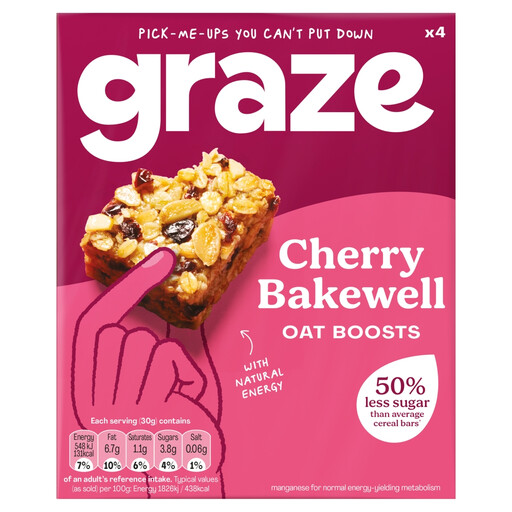 No image available
This is another four-pack of 30g oat bars for snack portions. Compare its own pack label with the Lemon Blueberry variant if flavour, nutrition or ingredients affect your choice.
 No image available
Six 21.5g bars provide separate small snack portions. Read the nutrition declaration for the number of bars you would actually eat, and check the current ingredient list.
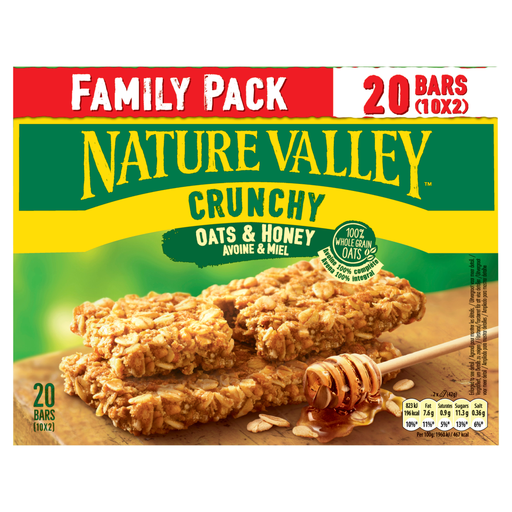 No image available
The 20-bar pack offers multiple snack portions. Check whether its nutrition label describes one bar or a twin-bar serving before comparing it with smaller single bars.
Compare declared kcal and sugars for the bar or serving you expect to eat, then check its weight. A traffic-light label, where present, can help you compare fat, saturates, sugars and salt, but it does not replace checking the portion.
Do not rely on a cereal bar alone for the variety expected from dinner. NHS balanced-diet guidance includes starchy foods, protein foods, fruit and vegetables; use the bar as a snack or alongside other meal components instead.
Protein content does not make a bar a complete dinner or establish that it is lower in calories. TREK declares 9g protein, 227 kcal and 14g sugars per 50g Cocoa Oat bar; compare the whole label and decide separately whether you need a snack or a meal.
Read the exact current pack’s ingredients, dietary claims and precautionary allergen statement. Bars within and between ranges can differ, and manufacturers may change recipes, so an older listing is not enough for an allergy-sensitive choice.