Picnic planners comparing calories
If you want a wrapped snack with a relatively low kcal figure, the amount in one bar matters more than a general claim on the front of the pack. Check whether the labelled serving is one bar or more.


For a lower-calorie picnic snack, compare the kcal for the bar or serving you will actually eat, not just the figure per 100g or a protein claim. The listed examples range from 86 kcal for a 25g Eat Natural fruit-and-nut bar to 104 kcal for a 27g Kellogg's cereal bar; the Nature Valley examples provide 197 kcal per 40g protein bar and 196 kcal per stated two-bar serving. A smaller portion can account for a lower kcal figure, so check sugars, allergens and the current pack details too.
If you want a wrapped snack with a relatively low kcal figure, the amount in one bar matters more than a general claim on the front of the pack. Check whether the labelled serving is one bar or more.
Individual wrappers make portions easier to identify, but guests may need different allergen or dietary information. Keep the exact wrappers available when you share the bars.
If protein or fibre is part of your snack choice, compare those figures alongside kcal per bar. A protein-labelled bar is not necessarily the lower-calorie option.
Start with the portion you plan to pack and eat, then check the rest of its nutrition label and whether it suits everyone who might have one.
| Priority | What to check | Your needs |
|---|---|---|
| Portion and energy | Read kcal per bar and the stated serving size. If a serving contains two bars, decide whether you will eat one or both; use the per-100g figure for comparisons on that basis, not as your portion total. | I want to know the kcal in the snack I will actually take from the picnic bag. A multipack or two-bar serving could change that amount. |
| Sugars and saturated fat | Compare sugars and saturated fat for the same labelled portion, and read any traffic-light information alongside the nutrition panel. A protein, fibre or no-added-sugar claim does not establish the bar's kcal figure. | A smaller bar may meet my calorie preference, but I still want to see its sugars and saturated fat before choosing. |
| Allergens and ingredients | Check the current ingredient and allergen statements for the exact flavour, including any ‘may contain’ wording. Look for a product-specific gluten-free or vegan declaration if that matters to your group. | When sharing bars, I need to know which exact products each guest can have rather than making assumptions from a brand or an oat-based recipe. |
| Picnic storage | Follow each bar's pack instructions. Keep foods normally stored in the fridge cool in a cool box or bag with ice or frozen gel packs, as advised by the Food Standards Agency. | I may carry wrapped bars alongside chilled picnic food, so I need a separate plan for keeping that food cool. |
Protein, fibre and no-added-sugar wording describes particular attributes; it does not tell you the kcal in the portion you will eat. Action on Salt & Sugar's November 2025 review of 458 snack bars sold through 10 major UK retailers found that such claims could appear on products with less favourable nutritional measures.
Read kcal, sugars and saturated fat on the current nutrition panel before comparing bars.
Nature Valley UK lists its Crunchy Oats & Honey serving as two 21g bars, providing 196 kcal for the 42g serving. That is a different portion from a single smaller bar.
Check how many bars the stated serving contains, then compare the amount you intend to eat.
Ingredients and allergen statements differ between products and flavours. For example, Kellogg's lists barley, oats, milk, soya and wheat for its Special K Red Berry Bar.
Check each exact pack before sharing, and keep its wrapper available so guests can read the declaration themselves.
The Food Standards Agency advises keeping picnic foods that would normally be refrigerated cool. Its guidance says that, in extremely hot weather, food that has been out of the fridge should be used within two hours.
Pack chilled items in a cool box or bag with ice or frozen gel packs, and take them out when needed.
These examples show why the exact product and serving matter more than a brand-wide description; they do not indicate which products are stocked on Joybuy.
Its Crunchy Oats & Honey bars and Chocolate & Coffee protein bar illustrate different serving formats.
The Special K Red Berry Bar provides a single-bar cereal snack for portion comparisons.
The Soft Fruit Bars Apple listing offers a compact fruit-and-nut format rather than a conventional cereal bar.
The Cocoa Oat Protein Flapjack is a 50g protein-bar format to compare with smaller picnic snacks.
Graze's Oat Boost flapjacks may interest shoppers comparing sugar as well as kcal.
Check the exact listing before using an older Alpen bar name as a picnic option.
These Joybuy options include smaller cereal-bar packs, a fruit-and-nut alternative and protein-bar or flapjack formats for a picnic. Check each current pack's kcal per bar before deciding which portion suits your plans.
 No image available
For a picnic organised around individual portions, compare the nutrition information for one 21.5g bar with the amount you intend to eat. Check the exact wrapper's allergens before sharing.
 No image available
This four-pack is an option if you want separate cereal bars for a picnic. Use the current pack's serving information to compare kcal for the portion you will eat; do not rely on ‘Light’ alone.
 No image available
Consider this fruit-and-nut format if you want individually portioned alternatives to cereal bars. Compare the nutrition for one 35g bar and read its current nut and other allergen declarations before offering it to guests.
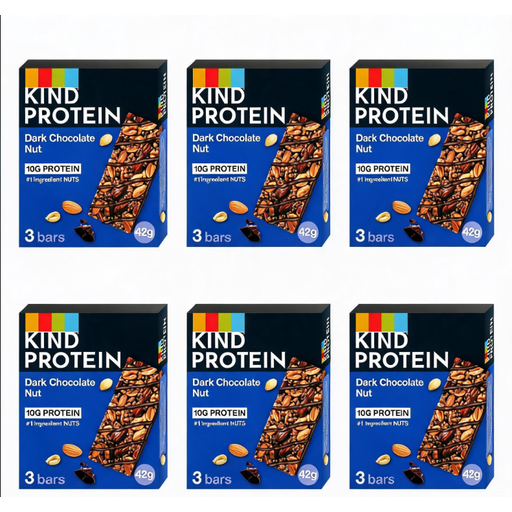 No image available
If you are considering a protein-labelled picnic snack, compare kcal per 42g bar as well as the protein figure on the current pack. Check the nut and other allergen information before sharing.
 No image available
This 50g flapjack format suits a different portion plan from a smaller cereal bar. Read kcal per flapjack on the current pack if a lower-calorie individual snack is your main consideration, and check its allergen statement for your group.
Use the current pack's kcal figure for the amount you intend to eat. For perspective on different portion sizes, Tesco Groceries lists 86 kcal for a 25g Eat Natural Soft Fruit Bar, Kellogg's UK lists 104 kcal for a 27g Special K Red Berry Bar, and Nature Valley UK lists 196 kcal for its stated 42g, two-bar Crunchy Oats & Honey serving. Compare sugars and other label details separately.
Not necessarily: Nature Valley UK declares 197 kcal, 10.2g protein and 4.5g fibre for one 40g Chocolate & Coffee protein bar. Choose between formats using the kcal and portion you plan to eat, rather than treating protein content as a calorie comparison.
Read the current ingredient and allergen declarations for each exact product and flavour, and keep wrappers available when sharing. Kellogg's lists barley, oats, milk, soya and wheat for its Special K Red Berry Bar, while Alpen Muesli says some of its products are made on lines where peanuts and nuts are used; neither statement establishes the suitability of another bar.
Follow the storage instructions on the bar's pack. Separately, the Food Standards Agency advises keeping foods that you would normally refrigerate cool at a picnic, using a cool box or bag with ice or frozen gel packs. In extremely hot weather, its guidance says food that has been out of the fridge should be used within two hours.