Hosts comparing smaller portions
If you want a packaged bar to hand out, compare kcal for the bar or pouch each person would receive. One small bar and a two-bar pouch are different serving units, even when both fit easily on a refreshment table.


Among three named bars with declared serving figures, Kellogg’s lists its Special K Red Berry Bar at 104 kcal per 27 g bar, ASDA lists Nature Valley Crunchy Oats & Honey at 196 kcal per 42 g two-bar pouch, and Eat Natural lists its Dark Chocolate & Peanut Protein Bar at 220 kcal per 40 g bar. For car boot sale refreshments, compare the unit you will actually hand out, then check its current ingredients and allergens. If you plan to sell bars, check the organiser’s conditions and whether your activity needs food-business registration before the event.
If you want a packaged bar to hand out, compare kcal for the bar or pouch each person would receive. One small bar and a two-bar pouch are different serving units, even when both fit easily on a refreshment table.
Keep ingredient and allergen information available to visitors, and check the event organiser’s conditions. If you are buying bars to resell or selling regularly, ask the relevant local authority whether food-business requirements apply to your activity.
Choose for those preferences only when they matter to the intended recipients. A plant-based or protein-led description does not tell you the kcal per bar or settle whether its allergens are suitable.
Decide what counts as one refreshment, then read the nutrition and allergen information for that exact bar or pouch. Pack size matters as much as a prominent number on the front of a multipack.
| Priority | What to check | Your needs |
|---|---|---|
| Energy per handout | Read kcal for the bar or sealed pouch you intend to give someone. Check how many bars are inside one wrapper; use per 100 g figures separately when comparing different sizes. | I want to compare what a visitor would actually receive. Kellogg’s declares 104 kcal for its 27 g Special K Red Berry Bar; ASDA declares 196 kcal for Nature Valley’s 42 g two-bar pouch. Those are different-sized servings, not a like-for-like comparison by weight. |
| Ingredients and allergens | Read the complete ingredients, highlighted allergens and any ‘may contain’ statement on the current pack. Keep that information with the food when handing it out. | Visitors may need to check for cereals containing gluten, milk, soya or nuts before accepting a bar. I would not assume an oat bar or a protein bar suits everyone. |
| Serving format | Count individual bars or pouches inside a multipack and check whether each handout retains its own packaging. Follow the pack’s storage instructions during transport. | I need to know how many packaged refreshments I can offer and keep them protected from dirt and moisture alongside other car boot sale goods. |
| Dietary preference | Check vegan or protein information for the exact product, then read its kcal and allergen declaration independently. Do not transfer a claim from one bar in a range to another. | Some visitors may ask for a plant-based or protein-led option. I would choose one for that stated preference, rather than assume it has fewer calories. |
| Selling arrangements | Ask the organiser about refreshments and check with the relevant local authority whether your planned selling activity is a food business. Keep packs and their product information available. | If I am buying stock to resell, I need to establish the applicable requirements before the event, not assume every car boot sale stall is treated as a private exchange. |
Fewer kcal per bar than another product does not, by itself, establish that a nutrition claim is permitted.
State the declared kcal and serving size when comparing bars. Check the applicable UK nutrition-claim rules before describing a product as ‘low calorie’ or ‘low energy’ in promotional material.
ASDA lists the Nature Valley Crunchy Oats & Honey serving as a 42 g pouch containing two bars, with 196 kcal for the pouch. A comparison with a single 27 g bar needs to name those different serving units.
Choose whether each visitor will receive one bar or an entire pouch, then compare the declared kcal for that handout.
The named products have different ingredient and allergen declarations, including cereals, milk, soya, peanuts and possible traces of other nuts. A category name cannot establish suitability for an individual.
Keep the current packaging available and let recipients check its full ingredient and allergen information. Verify any alternative in the same way.
Bromley Council identifies buying goods specially for resale and selling regularly as indicators that someone may be a trader. The circumstances of your event and activity matter.
Check the organiser’s rules and ask the relevant local authority about your planned sale before buying stock. The Food Standards Agency provides registration guidance for activities that are food businesses.
Its Special K Red Berry Bar provides a named, single-bar serving for an energy-per-handout comparison.
Crunchy Oats & Honey is an oat-bar option sold in a two-bar pouch.
A brand reference when visitors specifically ask about plant-based bars.
Its Dark Chocolate & Peanut Protein Bar is a nut-based option for recipients seeking that type of snack.
Older Alpen Light references need a current product check before they inform a car boot sale purchase.
These multipacks offer packaged bar options for a car boot sale. Compare the current pack’s kcal per individual bar, ingredients and allergens before deciding which to hand out; the pack counts and weights below identify the listed variants, not their energy values.
 No image available
The 21.5 g bar size makes the individual serving the useful comparison for handouts. Check this variant’s current kcal and allergen declaration rather than applying figures from a differently sized Special K bar.
 No image available
This six-pack offers a 21.5 g bar variant. Before choosing it for a mixed group, compare its declared kcal per bar and let visitors check the current ingredients and allergens.
 No image available
Count this four-pack by the bars you intend to distribute, rather than treating 104 g as one serving. Check kcal for an individual bar and its current allergen declaration; ‘Light’ is part of the product name, not a substitute for those figures.
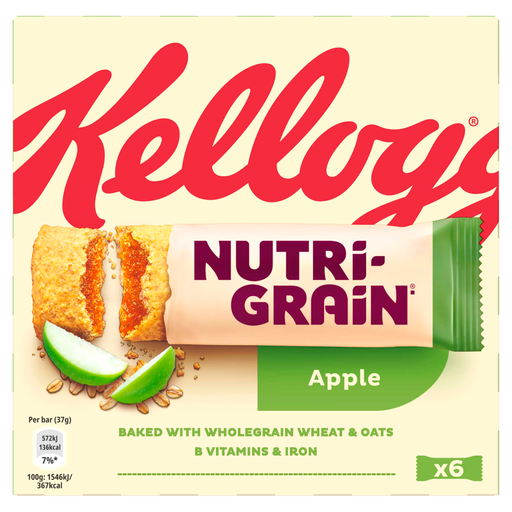 No image available
This apple variant is listed as six bars in a 222 g pack. If smaller servings are the priority, compare its declared kcal per bar with the other listed variants, and check the pack’s ingredients before offering it.
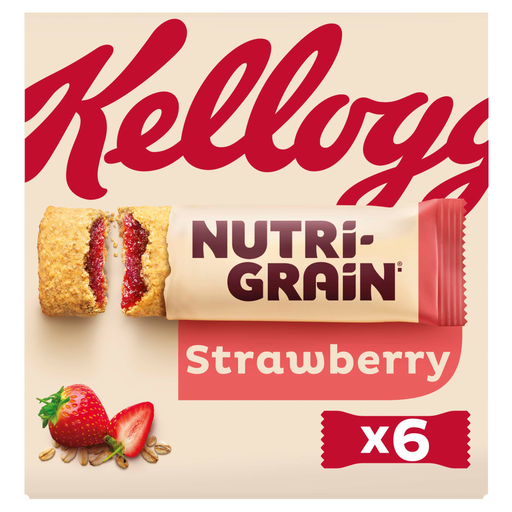 No image available
The strawberry variant is also listed as a six-pack weighing 222 g. Use its own per-bar nutrition and allergen information for the decision; the apple variant’s details should not be assumed to apply.
No: having fewer kcal per bar than another product does not, by itself, establish that the wording is an appropriate nutrition claim. For a car boot sale comparison, give the declared kcal and serving size, and check the applicable UK nutrition-claim rules before using ‘low calorie’ in sales material.
It depends on the planned activity, so check with the relevant local authority before selling. The Food Standards Agency provides registration guidance for food businesses; Bromley Council notes that buying goods for resale or selling regularly can indicate trader activity. Also check the organiser’s conditions for that event.
Visitors should be able to read the current product’s ingredients, allergens and any ‘may contain’ statement before accepting a bar. Keep manufacturer packaging with the food. If you repackage or prepare bars for sale, check the Food Standards Agency’s labelling requirements for the type of food and location involved rather than relying on an outer multipack carton.
Keep them in their packaging, follow the pack’s storage instructions and protect them from dirt and moisture among the other goods being transported. GOV.UK advises food businesses to manage food safety during storage and transport.
No. Eat Natural declares 7.8 g protein but also 220 kcal for its 40 g Dark Chocolate & Peanut Protein Bar. If a visitor wants a protein-led or plant-based option, check that exact bar’s kcal, ingredients and allergens rather than using its category as an energy comparison.