Parents comparing lunch portions
If you are packing crisps for a school-holiday lunch, the calories in the portion packed matter alongside the pack weight. A smaller bag and a lower-calorie product are not necessarily the same thing.


For a lower-calorie crisp portion in a school-holiday lunch, compare the calories in the amount you plan to pack, then use the per-100g figures to compare products sold in different sizes. Walkers UK lists 96 kcal for a 22g pack of Oven Baked Sea Salt, while Seabrook Crisps lists 164 kcal for a 31.8g bag of Sea Salted; the bag sizes differ, so neither pack figure tells the whole story. Check fat, salt and the current allergen label too, rather than relying on words such as “baked” or “lightly salted”.
If you are packing crisps for a school-holiday lunch, the calories in the portion packed matter alongside the pack weight. A smaller bag and a lower-calorie product are not necessarily the same thing.
Ingredients and precautionary allergen statements can differ between crisp products. Walkers UK lists several may-contain allergens for Oven Baked Sea Salt, while KETTLE Chips labels its Lightly Salted product gluten-free and suitable for vegans and vegetarians; check the particular pack you intend to serve.
If the child prefers a conventional hand-cooked crisp, compare its nutrition panel and intended serving with a baked or popped snack rather than assuming the formats have the same calories per portion.
Start with the quantity going into the lunch, then compare nutrition on a common per-100g basis. Keep ingredient and allergen checks separate from the calorie comparison.
| Priority | What to check | Your needs |
|---|---|---|
| Portion calories | Read kcal for the whole pack or measured serving and note its weight. Use kcal per 100g to compare products of different sizes; the NHS notes that a stated serving may differ from the amount eaten. | I want to know the calories in the amount I am actually packing, not mistake a smaller bag for a less energy-dense crisp. |
| Fat and salt | Compare total fat and salt per 100g, then check the amounts in the chosen portion. The NHS traffic-light guidance classifies more than 17.5g total fat per 100g as high, and 3g or less as low; for salt, the corresponding figures are more than 1.5g and 0.3g or less. | Calories matter to me, but I also want to compare the fat and salt on the same basis before choosing a flavour or format. |
| Ingredients and allergens | Read the current pack’s ingredients and allergen statement, including any may-contain wording. Check dietary designations on the particular product and flavour. | I need a crisp that meets the child’s ingredient requirements; a lower calorie figure cannot answer that question. |
| Lunch planning | Check how much an individual pack contains, or decide on a serving before dividing a sharing bag. If the lunch is for school, check that school’s current packed-lunch policy. | A defined portion is easier for me to pack, and I need to know whether the school permits crisps in a lunch sent from home. |
Those descriptions do not give the calories in the portion. KETTLE Chips lists 516 kcal and 29.5g fat per 100g for Lightly Salted, while Walkers UK lists 438 kcal and 13g fat per 100g for Oven Baked Sea Salt.
Compare kcal, total fat and salt on the exact flavour’s label, using both the intended portion and the per-100g figures.
Walkers UK lists 96 kcal for a 22g Oven Baked Sea Salt pack; Seabrook Crisps lists 164 kcal for a 31.8g Sea Salted bag. Those figures describe different quantities.
Use calories per pack to assess what you will serve, and calories per 100g for a like-for-like comparison between products.
A per-100g nutrition panel does not, by itself, tell you the calories or salt in an unmeasured serving.
Choose the amount to pack before portioning a sharing bag, and use that weight with the label’s nutrition figures.
Dividing a sharing bag takes an extra step when preparing lunch.
These examples show why the exact product and portion matter; a brand name alone does not establish a lower-calorie choice.
Oven Baked Sea Salt offers a stated 22g portion for comparison with conventional crisp bags.
Lightly Sea Salted and Naked (No Salt) are potato-crisp options with different seasoning.
Lightly Salted is a hand-cooked potato crisp labelled gluten-free and suitable for vegans and vegetarians.
Sea Salted provides a conventional crinkle-cut crisp in a stated 31.8g bag.
Pipers offers potato crisps in flavours including Anglesey Sea Salt and regional flavour combinations.
REAL Sea Salt is a hand-cooked potato crisp offered in 35g and 150g bags.
These options include individually portioned popped and baked potato snacks, plus 40g Pringles portions. Compare each flavour’s current nutrition and allergen label before choosing what to pack.
 No image available
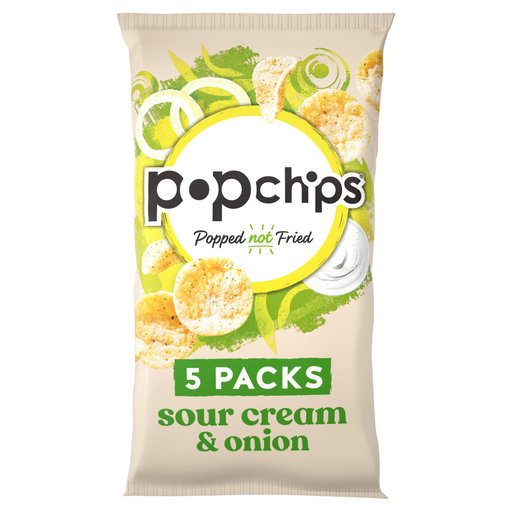
The five 17g portions let you choose a defined amount for a lunch. Check the Sour Cream & Onion pack’s calories and allergen statement before serving.
 No image available
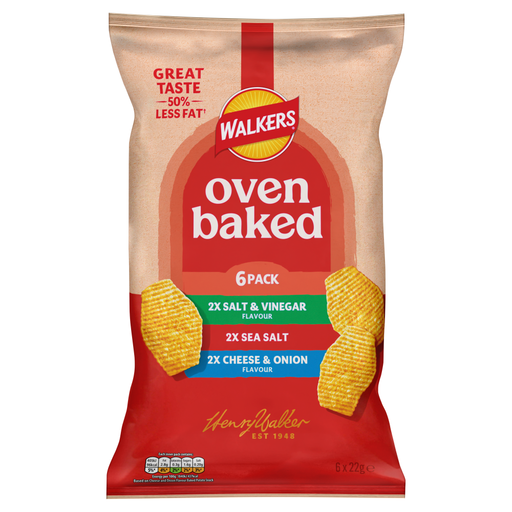
Six 22g packs provide defined portions for separate lunches. As this is a variety pack, check the nutrition and allergen information for the flavour being packed rather than applying one flavour’s figures to every bag.
 No image available
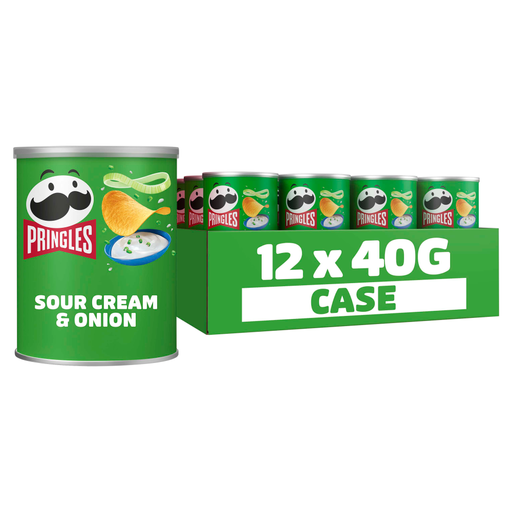
Each stated 40g portion is larger than the 17g and 22g portions listed above. Read its own per-portion and per-100g nutrition figures before comparing calories, and check the current allergen label.
Compare the calories in the pack or measured portion you plan to serve, then compare kcal per 100g to distinguish portion size from the product’s energy density. The NHS notes that nutrition information is given per 100g and sometimes per portion, and that the manufacturer’s stated portion may not match yours.
No: check the nutrition figures rather than using the flavour name as a calorie measure. KETTLE Chips lists 516 kcal per 100g for Lightly Salted; Walkers UK lists 438 kcal per 100g for Oven Baked Sea Salt. Those figures compare the named products, not every crisp in either range.
Check total fat, saturated fat and salt on the current pack, alongside the serving size. For a per-100g comparison, NHS traffic-light guidance places total fat above 17.5g in the high category and 3g or less in the low category; for salt, those boundaries are above 1.5g and 0.3g or less.
Check your child’s school’s current packed-lunch policy before including crisps in food sent from home. Do not assume that a rule about food provided by a school answers what that school permits in a packed lunch.
Check the ingredients and allergen statement on the current physical pack before serving it. Product information can change, so an online listing or a label from an earlier purchase should not replace the pack in hand.