Shoppers comparing calories
If dried fruit is part of your afternoon tea break, comparing the same 30g amount makes differently sized packs and nutrition panels easier to assess.


For a comparable 30g portion, M&S Collection Apricots have the lowest stated calorie figure among the four retailer products compared here: about 65 kcal, calculated from Marks & Spencer’s 217 kcal per 100g label. Sainsbury’s Figs list 77 kcal per 30g, while the other two examples are higher; portion size, ingredients and the timing of an afternoon tea break also matter. NHS guidance recommends eating dried fruit at mealtimes rather than as a between-meal snack.
If dried fruit is part of your afternoon tea break, comparing the same 30g amount makes differently sized packs and nutrition panels easier to assess.
If you prefer fruit-only products or want to avoid added sugar, read the ingredient list alongside the calories and total sugars on the nutrition panel.
If you avoid sulphites or have a food allergy, check the exact pack. NHS advice on eating dried fruit at mealtimes also matters if afternoon tea would otherwise be a separate snack.
Start with a comparable portion, then check whether the ingredients, pack format and serving occasion suit you.
| Priority | What to check | Your needs |
|---|---|---|
| Calories | Compare kcal per 30g. If a label gives kcal per 100g, multiply that figure by 0.3; check how much you will actually serve. | I want to compare the fruit I would eat, not the calories in bags of different sizes. Marks & Spencer lists 217 kcal per 100g for Collection Apricots, or about 65 kcal per 30g; Sainsbury’s lists 77 kcal per 30g for its Figs. |
| Ingredients | Read the ingredient list and total sugars as well as any no-added-sugar claim. The claim does not state how much sugar the fruit contains. | I prefer to know what is in the pack. Sainsbury’s lists pineapple as the ingredient in BEAR Fruit Dried Pineapple; its Crazy Jack Organic Mango listing says no added sugar but gives 18.3g sugars per 30g. |
| Portion and timing | Check the weight of a snack pack or measure a portion from a larger bag. NHS guidance says 30g dried fruit counts as one 5 A Day portion and advises eating dried fruit at mealtimes. | A measured amount is easier for me to compare than repeated handfuls. If afternoon tea falls between meals, I would account for the NHS advice rather than assume the time of day makes it a mealtime. |
| Allergens and warnings | Check the current ingredients, allergen statement and any fruit-stone warning for the exact product and pack size. | I need to check suitability before choosing a flavour or pack format. Marks & Spencer lists sulphur dioxide (sulphites) in Collection Apricots. |
A larger bag can contain several servings, so its total calories do not tell you how two fruits compare bite for bite.
Compare kcal per 30g and measure that amount into a bowl if you are serving from a bag.
No added sugar does not describe total sugars or calories. Sainsbury’s lists 18.3g sugars and 95 kcal per 30g pack of Crazy Jack Organic Mango, despite its no-added-sugar claim.
Check the nutrition panel and ingredients together, using the portion you intend to eat.
NHS guidance advises having dried fruit at mealtimes rather than between meals because of tooth-decay risk. An afternoon tea break is not automatically a meal.
If dried fruit is an option for you, consider having the measured portion with a meal rather than grazing on it through the afternoon.
Marks & Spencer lists sulphites in Collection Apricots, while Sainsbury’s lists potassium sorbate in its Figs. Individual packs can also carry fruit-stone warnings.
Read the current label of the exact pack, particularly when avoiding an ingredient or serving fruit to children.
Its dried-fruit range includes apricots; the Collection Apricots provide a labelled figure for comparing a measured portion.
Its 500g Figs listing gives nutrition values for a 30g serving.
The brand offers dried-grape products and describes a raisins serving as around 30g.
Its dried-fruit category includes prunes, cranberries, mango and raisins in different pack formats.
Its Organic Mango 4x30g provides individually defined 30g portions.
These raisins, figs, prunes and apricots offer different pack sizes for an afternoon tea break. Use each product’s current nutrition and ingredient label to compare a portion; the retailer calorie figures above belong to different, specifically named products.
 No image available
The 14g boxes provide a defined serving smaller than the 30g comparison portion. Check the label for calories and ingredients if choosing them for an afternoon tea break.
 No image available
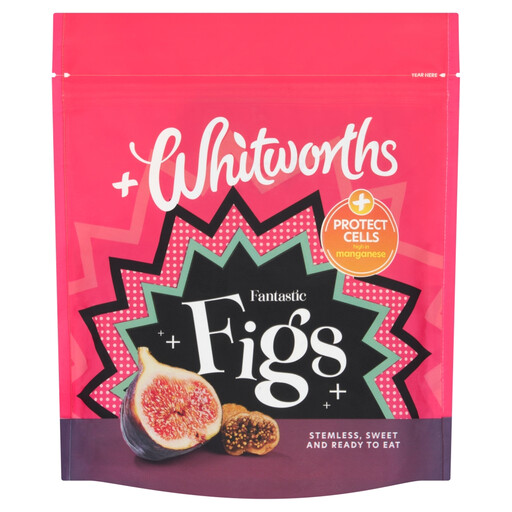
This 175g pack can be portioned for a tea break. Check its own nutrition panel rather than applying the figures for Sainsbury’s Figs to this product.
 No image available
The product name describes individually wrapped prunes, which may make it easier to count pieces. Check the weight per wrapper, nutrition panel and ingredients before deciding on a serving.
 No image available
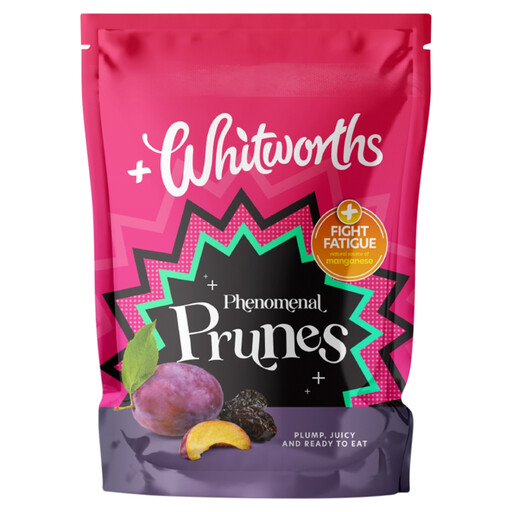
For a measured tea-break serving from this 190g bag, portion the prunes separately and check the pack’s nutrition figures and any stone warning.
 No image available
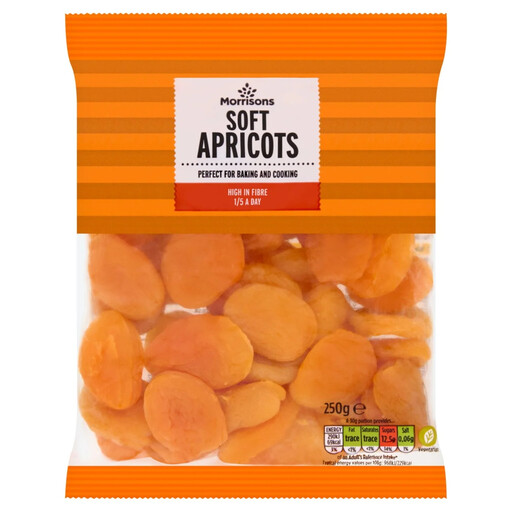
This 250g pack allows you to measure an afternoon serving. Check its own calories, sulphites declaration and fruit-stone warning; the M&S Collection Apricots figures do not apply to it.
Use the same weight for each product: 30g is a practical comparison amount. NHS guidance says 30g of dried fruit counts as one 5 A Day portion; check the calories for the amount you actually eat.
NHS guidance advises eating dried fruit at mealtimes rather than as a between-meal snack because of tooth-decay risk. If afternoon tea is separate from a meal, its timing matters as well as the portion size.
No. It does not state a product’s calorie content or total sugars. Sainsbury’s lists 95 kcal and 18.3g sugars per 30g pack for Crazy Jack Organic Mango, which it describes as having no added sugar.
Check the current ingredients and allergen information for the exact pack before buying. Marks & Spencer lists sulphur dioxide (sulphites) in Collection Apricots; that does not establish the ingredients of other apricot products.