Parents planning a children’s egg hunt
Choose a defined reward rather than handing out loose handfuls. Check the pack for ingredients and warnings, and plan to serve the dried fruit with a meal, in line with NHS advice.


For an Easter egg hunt, compare both calories per 100g and calories in the reward you plan to hand out. The Whitworths and Sainsbury’s partly rehydrated apricots listed below declare fewer calories per 100g than the listed raisin products, while a sealed 14g raisin box gives each participant a defined portion. Check ingredients and pack warnings before choosing, and follow NHS advice to serve dried fruit at a mealtime rather than as a between-meal snack.
Choose a defined reward rather than handing out loose handfuls. Check the pack for ingredients and warnings, and plan to serve the dried fruit with a meal, in line with NHS advice.
A small raisin box fixes the amount given to each person; partly rehydrated apricots may be the better fit if the declared calories per 100g matter more. Compare the exact labels before deciding.
Read the ingredient, allergen and safety statements on the packs you intend to serve. The apricot examples discussed here list sulphur dioxide and warn that stones may remain; the coated fruit example calls for different allergen checks.
Start with the nutrition figure for a consistent weight, then check the amount in the pack or portion you would give each participant.
| Priority | What to check | Your needs |
|---|---|---|
| Calories and portion | Compare kcal per 100g, then kcal per box or planned serving. Sainsbury’s lists 184kcal per 100g for Whitworths Golden Apricots and 228kcal per 100g for its own 40g apricot pack; Tesco lists 285kcal per 100g and 40kcal per 14g box for its portioned raisins. | I want to know both how the fruits compare by weight and how much one hunt reward contains. |
| Pack format | Check whether the pack contains separate portions or needs dividing before the event. Confirm the weight of each portion rather than using the total pack weight as the reward size. | A sealed individual portion makes it easier to give everyone a defined amount; a larger bag works if I will portion it myself. |
| Serving time | Decide when the rewards will be eaten. The NHS advises eating dried fruit at mealtimes rather than as a between-meal snack. | I can include dried fruit in the hunt without making it something to nibble throughout the activity. |
| Ingredients and warnings | Read the exact pack’s ingredients, allergen statement and safety warnings. The apricot examples list sulphur dioxide and warn that stones may remain; coated fruit can have additional ingredients and allergen statements. | When serving a group, I need to check whether the particular product is appropriate for those attending. |
A 14g raisin box defines a small reward, but Tesco lists 285kcal per 100g for its boxes and Whitworths lists 333kcal per 100g for Sunny Raisins.
Use kcal per 100g to compare fruits, then kcal per box or serving to decide the amount handed out.
Tesco lists Whitworths Berry + Chocolate Clusters at 350kcal per 100g and 88kcal per 25g pack. It is a different ingredient mix from plain dried fruit.
Compare the nutrition panels and ingredient lists of the exact products, including any coatings and allergen statements.
The Whitworths and Sainsbury’s apricot product information lists sulphur dioxide and warns that stones may remain.
Read the ingredient, allergen and safety statements on the pack before serving it to a group.
The NHS advises eating dried fruit at mealtimes rather than between meals.
Keep the hunt reward sealed until it can be served with a meal, instead of encouraging repeated snacking during the hunt.
These figures describe particular labelled products, not every dried fruit sold under each brand.
Its Golden Apricots and Sunny Raisins illustrate the difference between calories per 100g and calories in an individual portion.
Its 40g dried apricot pack offers a defined pack size for comparison with individual hunt rewards.
Its raisin products offer a comparison between small boxes and a larger bag that a host would portion.
These options include individually sized raisin packs and other dried-fruit formats. Compare the exact pack’s nutrition and ingredient labels if calories or suitability for a particular participant will determine your choice.
 No image available
The 12 × 14g format offers defined amounts for separate hunt rewards. Check the pack label before serving, and plan for the raisins to be eaten with a meal.
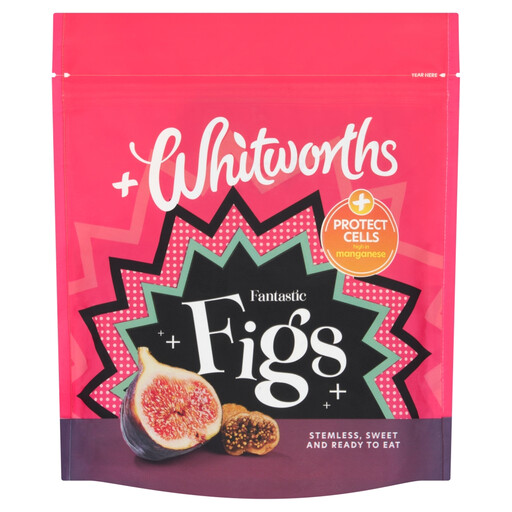 No image available
This 175g fig pack needs dividing if you want to give out measured individual rewards. Check its nutrition panel for calories in the portion you choose; figures for Whitworths apricots do not describe these figs.
 No image available
For a hunt reward, use the weight of the prunes you intend to give each person rather than the 500g total pack size. Check the exact product label for calories per portion and ingredients; the apricot figures elsewhere in this article do not apply to prunes.
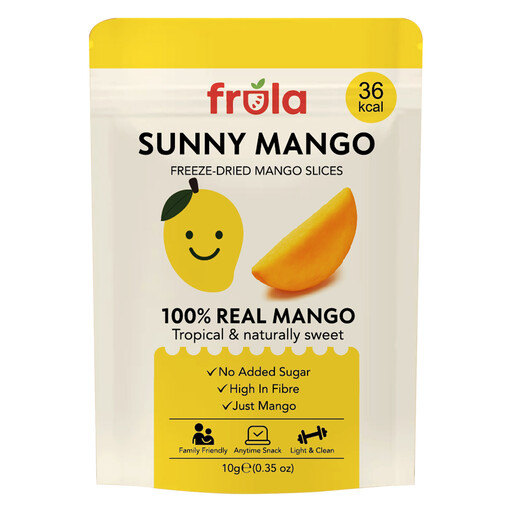 No image available
This is a single 10g pack rather than a multi-pack of hunt rewards. Check its own kcal per pack and per 100g: the small pack weight alone does not establish how its calorie density compares with other fruits.
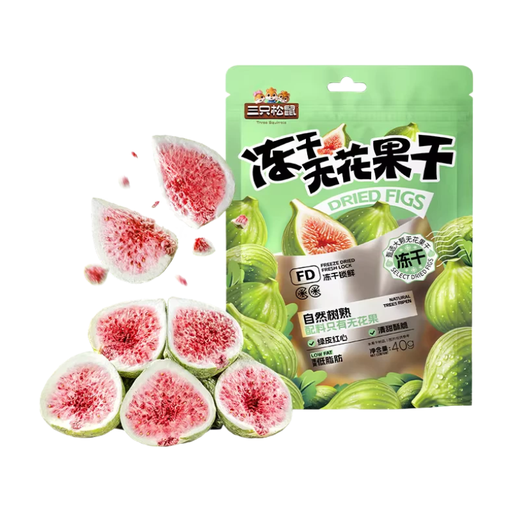 No image available
The 40g fig pack would need dividing for smaller individual rewards. Compare its own kcal per 100g and the amount you plan to serve rather than assuming that all dried figs or freeze-dried fruits have the same values.
No general comparison follows from the words “dried fruit”. For the products listed by Sainsbury’s, Tesco and Whitworths here, the partly rehydrated apricots declare 184–228kcal per 100g, the raisin products 277–333kcal per 100g, and the coated fruit mix 350kcal per 100g. Compare both kcal per 100g and the amount in the reward you will actually give.
Choose one when a defined portion per participant matters more than choosing the lowest declared kcal per 100g among these examples. Tesco lists 40kcal per 14g box, while Whitworths lists 47kcal per 14g Sunny Raisins box; check the label of the product you buy.
The NHS advises eating dried fruit at mealtimes rather than as a between-meal snack. You can include a sealed pack as a hunt reward and serve it with a meal instead of opening it for repeated snacking during the activity.
Read the exact product’s ingredients, allergen statement and safety warnings. The Whitworths and Sainsbury’s apricot information lists sulphur dioxide and warns that stones may remain; the Whitworths Berry + Chocolate Clusters information lists milk ingredients and possible peanut, nut, sesame and gluten cross-contact.