Compare dried fruit on the same portion or per-100g basis rather than assuming that a fruit type or a ‘no added sugar’ label means fewer calories. Whitworths and ASDA list 47 and 55 kcal respectively per 30g for their partially rehydrated apricots; before choosing a larger pack, check its energy, sugars, ingredients and after-opening instructions.
Who is this for?
Weekly-shop portion planners
If you are buying dried fruit for several days, compare the energy on a repeatable serving basis. The NHS uses 30g as a dried-fruit portion; Whitworths and ASDA list 47 and 55 kcal respectively per 30g for the apricot products discussed here.
Shoppers checking sugar and sulphites
‘No added sugar’ and lower energy are different considerations. BEAR’s dried pineapple states no added sugar but lists 336 kcal per 100g. Check the exact pack’s ingredients and allergen information if you need to avoid sulphites.
Larger-pack buyers
If dried fruit is for meals, baking or several planned portions, pack size matters alongside the nutrition panel. Check how much you will use and follow the product’s after-opening instructions.
What should you check?
Start with a common energy measure, then check the ingredients and whether the pack size works for the way you will use it.
| Priority | What to check | Your needs |
|---|
| Energy and portion |
Compare kcal per 100g, then the kcal for the amount you intend to serve. Whitworths Favourites Apricots list 158 kcal per 100g and 47 kcal per 30g; ASDA Apricots 500g list 182 kcal per 100g and 55 kcal per 30g. |
I want to compare packs fairly and plan portions for the week, rather than judge them by bag size. |
| Sugars and ingredients |
Read the sugars figure as well as any ‘no added sugar’ statement. ASDA Groceries lists BEAR Dried Pineapple at 336 kcal per 100g and 20g sugars per 30g, despite its no-added-sugar statement. |
If avoiding added sugar matters to me, I still want to know the pack’s energy and sugars. |
| Sulphites |
Check the exact pack’s ingredients and allergen declaration. The Food Standards Agency notes that sulphites are used in some dried fruit and flags a higher risk of reaction for people with asthma. |
I need to know whether a particular pack contains sulphites before choosing it. |
| Pack use |
Compare the stated pack weight with the portions you plan to use, and read its after-opening instructions. Marks & Spencer says to reseal its Collection Apricots and eat them within seven days of opening. |
A larger bag only suits my weekly shop if I can use and store it as directed. |
| Meal timing |
The NHS says 30g of dried fruit counts as one 5 A Day portion and advises eating dried fruit at mealtimes rather than between meals to reduce the risk of tooth decay. |
I want to plan where a dried-fruit portion fits into my meals, rather than graze from an open bag. |
Common buying mistakes
-
Treating a large bag as an unrestricted snack
Dried fruit is easy to serve in different amounts. Whitworths Favourites Apricots list 47 kcal per 30g, while Sainsbury’s sweetened dried mango lists 100 kcal per 30g, according to their product information.
Decide on a serving amount and compare its labelled energy before choosing a large pack. The NHS uses 30g as a dried-fruit portion and advises eating it at mealtimes.
-
Reading ‘no added sugar’ as a calorie figure
ASDA Groceries states that BEAR Dried Pineapple has no added sugar, but lists 336 kcal per 100g and 20g sugars per 30g.
Use the statement to assess added ingredients; use the nutrition panel to compare energy and sugars.
-
Overlooking sulphites
The Food Standards Agency says sulphites are used in some dried fruit and notes a higher risk of reaction for people with asthma. The apricot and sweetened mango examples discussed here list sulphites.
If you need to avoid sulphites, check the ingredients and allergen declaration on the exact pack before buying it.
Brand and retailer references
These examples show why the nutrition and ingredient information for a specific product matters more than the brand name alone.
Whitworths
Its Favourites Apricots are partially rehydrated dried fruit.
- Whitworths lists 47 kcal and 2.2g fibre per 30g for Favourites Apricots.
- The product lists potassium sorbate and sulphur dioxide.
ASDA
Its own-label apricots include a 500g pack for shoppers considering a larger bag.
- ASDA lists 55 kcal per 30g for its Apricots 500g.
- The product contains sulphur dioxide; check the current pack information when buying.
Tesco
Its dried-fruit range includes large own-label packs of raisins and sultanas, alongside prunes.
- Tesco lists 1kg raisin and sultana packs and a 500g prune pack.
- Check each product’s nutrition panel before judging its suitability for a lower-energy choice.
Sainsbury’s
Its 100g dried mango is a sweetened dried-fruit option.
- Sainsbury’s lists 100 kcal per 30g for this mango.
- Its ingredients include added sugar and sodium metabisulphite.
M&S
Collection Apricots provide another partially rehydrated apricot example.
- Marks & Spencer lists 217 kcal and 5.1g fibre per 100g.
- The product contains sulphites; its instructions say to reseal and eat within seven days of opening.
Sunsweet
Sunsweet lists several prune formats, including bite-size, fruit-pack and diced products.
- Compare the nutrition and ingredients on the particular prune pack you are considering rather than assuming all formats are alike.
Joybuy product options
These Joybuy options include prunes, dates and raisins in different pack formats. Compare their own nutrition panels before choosing for a lower-calorie weekly shop; the prunes described as being in juice are not the same format as fully dried fruit.
 No image available
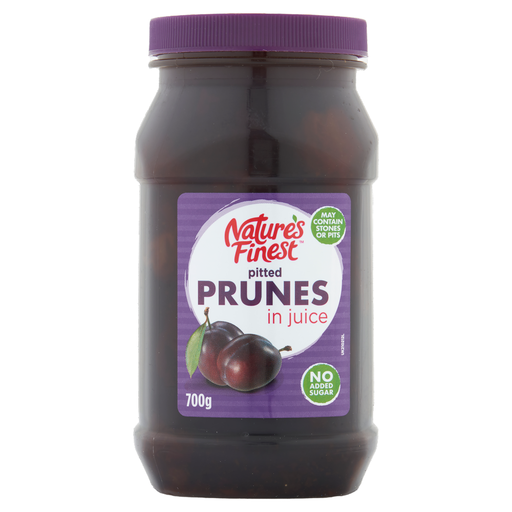
Natures Finest Juicy Pitted Prunes 700g
The 700g pack is worth considering if you will use several portions during the week. These prunes are described as being in juice, so compare their label with fully dried fruit on the same energy basis and check the ingredients.
 No image available
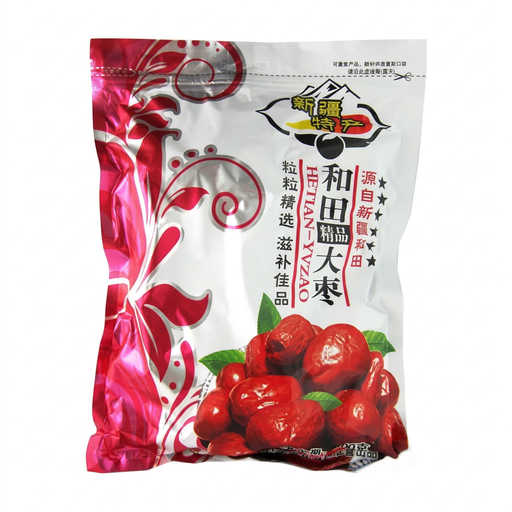
HETIAN-YVZAO Dried Hetian Date (Large) 500g
This 500g date pack may suit a plan that uses dried fruit across several meals. Check its energy per 100g and the amount you intend to serve before comparing it with apricots or prunes.
 No image available
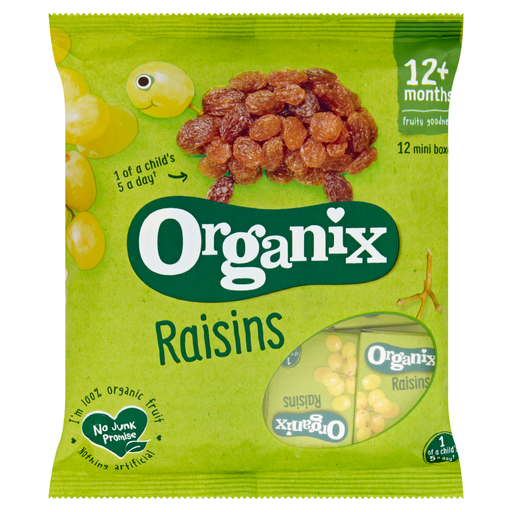
Organix Goodies Raisins 12+ Months, 12 x 14g
The 12 individual 14g packs offer a defined amount per box, but each box is smaller than the NHS’s 30g dried-fruit portion. The product is labelled for ages 12+ months; check the pack details for the intended user.
 No image available
Hao Xiang Ni Ready-to-Eat Red Dates 900 g (30 x 30 g)
The 30g sachets provide a stated serving amount within a 900 g pack. If lower energy is your main priority, check the dates’ nutrition panel against other fruit on a per-100g basis rather than treating the sachet size as a calorie comparison.
 No image available
J.ZAO Prebiotic Pitted Chilean Prunes 500g
This 500g prune pack is another larger-format option. Do not rely on the product name’s sugar-free wording alone: check the ingredients and sugars panel on the pack when comparing it with other prunes.
Frequently asked questions
What portion of dried fruit counts towards 5 A Day?
The NHS says 30g of dried fruit counts as one 5 A Day portion. It advises eating dried fruit at mealtimes rather than between meals to reduce the risk of tooth decay.
Does ‘no added sugar’ mean dried fruit has fewer calories?
No: it describes added sugar, not the product’s energy value. ASDA Groceries states that BEAR Dried Pineapple has no added sugar, while its nutrition information lists 336 kcal per 100g and 20g sugars per 30g.
Why do dried-apricot packs show different energy values?
Check each product’s stated figures rather than assuming every apricot pack is alike. Whitworths lists 158 kcal per 100g for Favourites Apricots, while ASDA lists 182 kcal per 100g for its 500g apricots; both are described as partially rehydrated.
When should I check dried fruit for sulphites?
Check the exact pack if you need to avoid sulphites. The Food Standards Agency says they are used in some dried fruit and notes a higher risk of reaction for people with asthma; the apricot and sweetened mango examples discussed here list sulphites.
Will a larger dried-fruit pack last all week once opened?
Follow that pack’s storage and after-opening instructions rather than assuming it will. Marks & Spencer says to reseal its Collection Apricots and eat them within seven days of opening.


