Parents packing a small sweet addition
A clearly weighted individual pack makes it easier to compare the calories actually going into a secondary school lunch than a general fruit claim.


For a small, ready-to-pack addition, compare calories for the whole pack: Whitworths lists 333 kcal per 100g for its 14g Sunny Raisins pack, or about 47 kcal, while Sainsbury's declares 91 kcal for its 40g apricots and 97 kcal for its 40g prunes. These are different portion sizes, not a like-for-like comparison of calorie density; also check ingredients and school allergy requirements, and pack dried fruit to eat with lunch, as the NHS advises.
A clearly weighted individual pack makes it easier to compare the calories actually going into a secondary school lunch than a general fruit claim.
Measuring the amount packed gives a larger bag a defined serving size. The NHS uses 30g as its dried-fruit reference for one 5 A Day portion and advises eating dried fruit at mealtimes.
Sulphur dioxide in some apricots, nuts in fruit-and-nut mixes and product-specific stone warnings can affect what is suitable for a pupil and their school.
Start with the amount that will actually be packed, then read the ingredients and any warnings on that product.
| Priority | What to check | Your needs |
|---|---|---|
| Portion calories | Compare kcal per whole pack for individual portions. For a larger bag, check the labelled serving weight and measure the amount packed; kcal per 100g answers a different question. | I want to know how much dried fruit, and how many declared calories, will go into the lunchbox. |
| Ingredients | Read the full list for sweetened fruit, candied peel, syrup or juice concentrate. Compare sugars for the portion as well as per 100g. | A fruit name on the front is not enough for me to tell whether I am packing plain fruit or a sweetened mix. |
| Eating occasion | Plan for the dried fruit to be eaten with lunch rather than as a separate between-meal snack, in line with NHS advice. | It needs to work as part of the packed meal, not as something to graze on later. |
| Warnings and school policy | Check the current pack for allergens, nut-handling information and any stone warning. Check the school's packed-lunch and allergy policy. | Before packing it, I need to know whether the particular product and the school's rules make it suitable. |
Pack size changes the total: Whitworths declares 333 kcal per 100g for its 14g Sunny Raisins pack, or about 47 kcal, whereas Sainsbury's lists 91 kcal for 40g apricots and 97 kcal for 40g prunes.
Compare the calories for the amount you will pack, not just the fruit name or a per-100g figure.
Sainsbury's lists candied peel containing glucose-fructose syrup and sugar in its mixed dried fruit; Marks & Spencer lists sweetened cranberries in its cranberry-and-apricot mix.
Read the ingredient list if you want a single-fruit portion, and use the stated serving size when comparing calories.
The NHS advises eating dried fruit at mealtimes rather than between meals.
Put it with the lunch so its intended eating occasion is clear.
Sainsbury's lists sulphur dioxide in its 40g apricots, while some fruit-and-nut mixes contain peanuts. Warnings can differ between products.
Check the pack's ingredients and warnings, including any stone warning, alongside the school's allergy policy.
These examples help distinguish pack formats and labels; they do not indicate which products a particular shop currently carries.
Whitworths lists Sunny Raisins in 14g packs that can be placed directly in a lunchbox.
Its 40g apricot and prune packs offer declared calories for a whole individual pack.
Sunsweet Stoned Prunes provide a larger-bag example for comparing a measured lunchbox portion.
Its mixed fruit with cranberries and apricots illustrates why mixed-fruit ingredients need checking.
Tesco's listings provide label details for both branded prunes and a dried-blueberry fruit snack.
These options include individual sachets and larger packs that can be portioned for a secondary school lunch. Compare the amount you plan to pack and check each product's current label.
 No image available
Check the weight of the prune portion going into the lunchbox rather than using the 500g total as a serving. If avoiding sweetening ingredients, check the current label for isomaltose.
 No image available
A 30g sachet gives the lunchbox addition a defined size. These dates are described as containing pits, so check and remove any pits before eating.
 No image available
Measure the amount packed from the 175g bag. If nut or peanut handling matters for the pupil or school, check the current packaging before including it.
 No image available
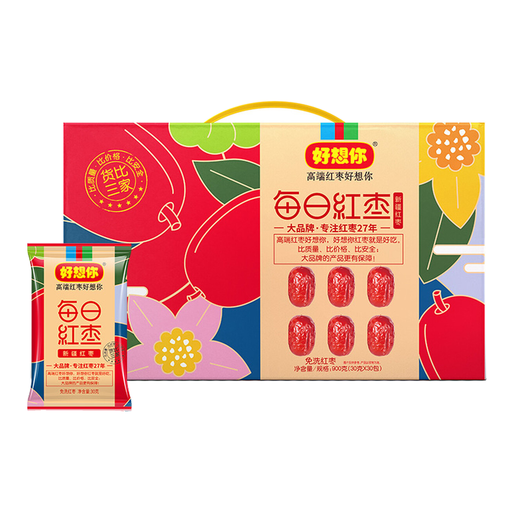
These red dates are an option for a portion measured at home rather than taken from the bag during lunch. Check the current label and pack the intended amount separately.
 No image available
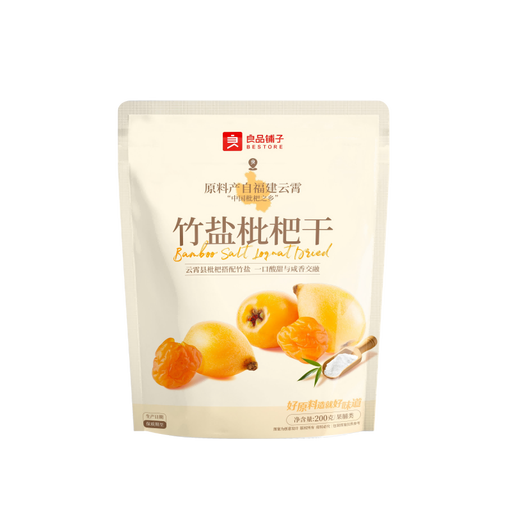
Measure a lunchbox portion from the 200g bag. If plain fruit or an allergen restriction is the priority, check the current ingredients and sulphite declaration before packing it.
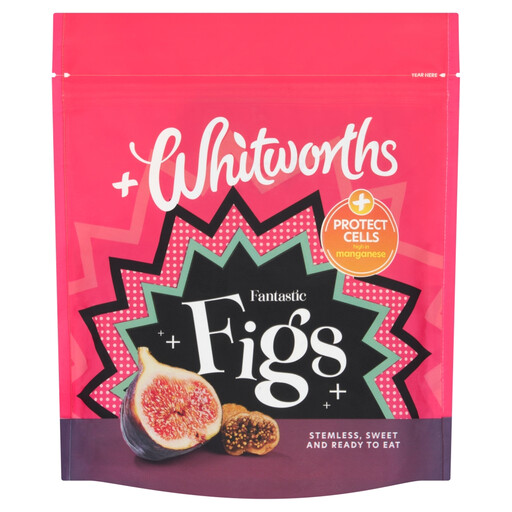
The NHS says 30g of dried fruit counts as one 5 A Day portion. A 14g mini-pack is smaller than that reference; check its own weight when comparing lunchbox portions.
Pack it to be eaten with lunch. The NHS advises having dried fruit at mealtimes rather than as a between-meal snack.
No: it does not state the calories in the amount packed. Tesco's listing describes Sunsweet Stoned Prunes as having no added sugar but declares 229 kcal and 38g sugars per 100g, so check the portion size too.
The Department for Education describes its school-food guidance as covering food and drink provided in state-funded schools in England. For food brought from home, check the individual school's packed-lunch and allergy policy rather than assuming that guidance answers what may be packed.
Read the current ingredients and allergen statement. Sainsbury's lists sulphur dioxide in its 40g apricots and candied peel containing glucose-fructose syrup and sugar in its larger mixed-fruit product; ingredients differ by product.