Parents comparing snack portions
If calories matter to your choice, compare the amount a child will actually eat rather than treating the whole pack or a per-100g figure as one serving.


Compare the calories in the amount you will serve: Whitworths lists 42 kcal per 30g for Favourites Prunes, the lowest stated 30g figure among the four named products compared below. The Eatwell Guide advises keeping dried fruit to mealtimes, so a lower-calorie choice is not necessarily the right choice for a between-meal school holiday snack.
If calories matter to your choice, compare the amount a child will actually eat rather than treating the whole pack or a per-100g figure as one serving.
Ingredient lists and allergy statements matter when choosing between plain fruit, products with preservatives and dried-fruit mixes that carry allergen warnings.
For young children, the timing of dried fruit, possible stones or pips and supervision while eating all affect whether and how to serve it.
Start with the serving size and snack occasion, then check the ingredients and any warnings for the child who will eat it.
| Priority | What to check | Your needs |
|---|---|---|
| Calories per portion | Compare like-sized servings, not just figures per 100g. Whitworths lists 42 kcal per 30g for Favourites Prunes and 50 kcal per 30g for 1DERS; Ocado lists 69 kcal per 30g for M&S Orchard Fruits Medley, and Tesco lists 96 kcal per 30g for BEAR Fruit Dried Mango. | I want to know the calories in the portion I will serve, particularly if I am choosing between a loose pack and a pre-portioned one. |
| Ingredients and warnings | Read the ingredients and the current pack’s allergy information. Whitworths lists potassium sorbate in Favourites Prunes; Ocado lists sulphites and possible nut, peanut and sesame contact for M&S Orchard Fruits Medley. Check energy separately from any no-added-sugar statement. | A short ingredient list matters to us, or I need to screen a snack for a particular allergy before serving or sharing it. |
| Snack timing | The Eatwell Guide describes 30g as a dried-fruit portion and advises keeping dried fruit to mealtimes. Decide whether this is food for a meal or a between-meal snack. | I am planning food across the school day and holidays, not just picking the lowest figure on a packet. |
| Serving young children | Check for stones, pips and product-specific warnings. Department for Education guidance says not to offer raisins as a snack to children under 12 months and never to leave babies or young children alone while eating. | If I am serving a younger child, I need to prepare the fruit appropriately and stay with them while they eat. |
The stated energy varies even when the serving size is the same. Whitworths lists 42 kcal per 30g for Favourites Prunes, while Tesco lists 96 kcal per 30g for BEAR Fruit Dried Mango.
Compare the energy for the portion you intend to serve. If using a larger pack, measure that portion rather than treating the pack as a single snack.
No added sugar describes an ingredient choice, not the energy content. Tesco lists BEAR Fruit Dried Mango at 96 kcal per 30g despite its no-added-sugar statement.
Check the ingredients and the nutrition panel separately; choose on the basis that matters to you.
Ocado’s listing for M&S Orchard Fruits Medley states that it contains sulphites, may contain nuts, peanuts and sesame, and may contain fruit stone fragments.
Read the current pack before serving it, especially when a child has an allergy or the fruit will be shared.
The Eatwell Guide advises keeping a 30g dried-fruit portion to mealtimes. For babies and young children, Department for Education guidance also calls for supervision while eating.
Plan dried fruit as part of a meal, and account for the child’s age and any stones or pips when preparing it.
These product and retailer examples show why a brand name alone cannot settle the portion, ingredient or allergy checks.
Whitworths publishes 30g nutrition figures for its Favourites Prunes and 1DERS Gut Friendly Prunes.
Ocado lists M&S Orchard Fruits Medley as a mixed dried-fruit option with a stated small-handful serving of 30g.
Tesco lists several dried-fruit types, including prunes, raisins, dates and mango, alongside branded products.
These prunes, figs and red dates are options to assess for measured school holiday servings. Check each product’s own label: a calorie figure for one named product should not be applied to another, even when both are prunes.
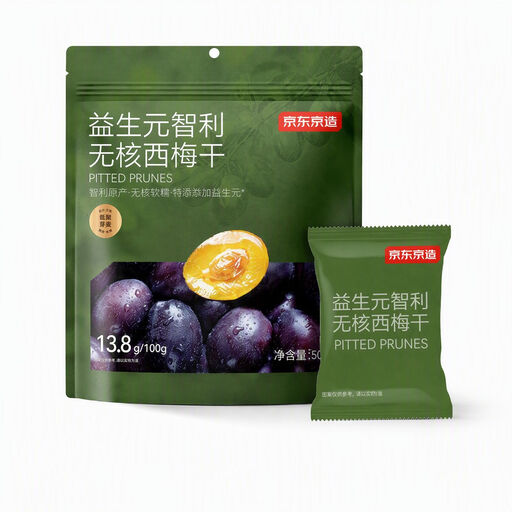 No image available
Individual wrapping may help with setting aside a serving. Check the weight of each portion and the current ingredients and sugar information rather than relying on the sugar-free wording in the longer product title.
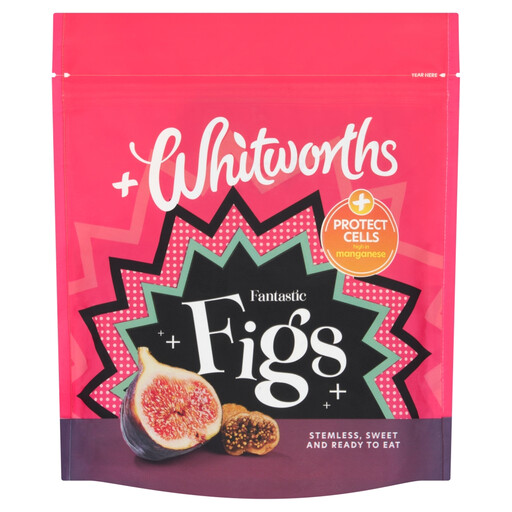 No image available
For a calorie comparison, measure the intended serving from this 175g pack and use this product’s own nutrition label. Check its current allergy statement before serving it to someone with a nut or peanut allergy.
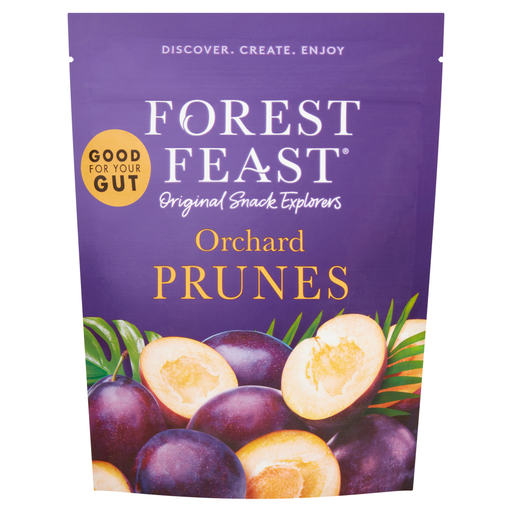 No image available
Measure a serving from the 200g pack if comparing it with 30g nutrition figures. Check the pack for stone-piece warnings and inspect the fruit before serving it to a child.
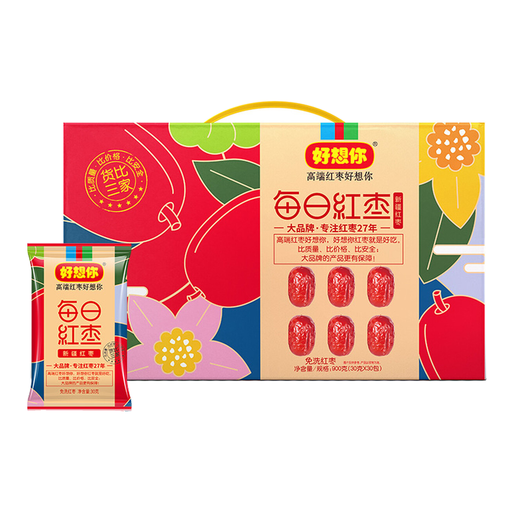 No image available
The 30g sachets define a serving size, but portioning does not establish that the dates are lower in calories than other fruit. These dates contain pits; remove them before serving the fruit to children.
 No image available
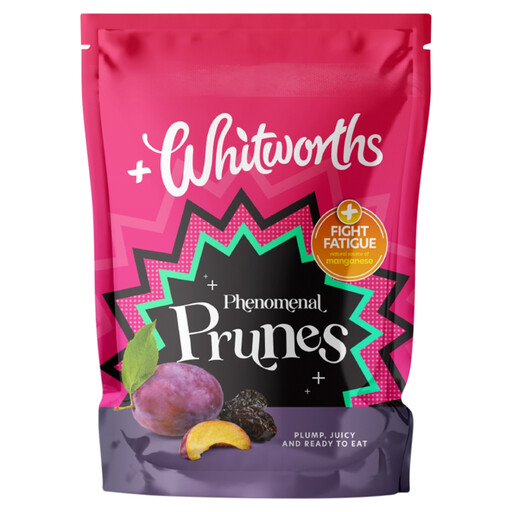
Measure the serving you want from this 190g pack. These are Snacking Prunes, not the Favourites or 1DERS products compared above, so use this pack’s own nutrition figures and check its allergy label if relevant.
The Eatwell Guide gives 30g as a dried-fruit portion and advises keeping it to mealtimes. When labels state energy per 30g, that amount also provides a consistent basis for comparing those products.
No. It describes added sugar, not the calorie figure. Tesco lists no added sugar for BEAR Fruit Dried Mango but gives 96 kcal per 30g; Whitworths lists 42 kcal per 30g for its Favourites Prunes. Check each product’s serving size as well as its ingredients.
The Eatwell Guide advises keeping dried fruit to mealtimes. If you are planning a separate between-meal snack, do not assume that a small dried-fruit portion changes that timing advice.
Check the fruit and its pack for stones, pips and other warnings, and supervise young children while they eat. Department for Education guidance says not to offer raisins as a snack to children under 12 months and never to leave babies or young children alone while eating.