Viewers who prefer a set portion
A small, labelled box gives you a stopping point when a large open pouch would be harder to portion. Compare the grams as well as the calories: a 14g box and a 30g serving contain different amounts of fruit.


For a measured portion, compare both the calories and the serving weight: Tesco and Whitworths list 14g raisin boxes at 40 and 47 kcal respectively, while Sainsbury's lists 68 kcal for 30g of ready-to-eat apricots. A smaller calorie figure can reflect a smaller portion, and the NHS advises eating dried fruit at mealtimes rather than as a between-meal snack to reduce tooth-decay risk.
A small, labelled box gives you a stopping point when a large open pouch would be harder to portion. Compare the grams as well as the calories: a 14g box and a 30g serving contain different amounts of fruit.
Plain, sweetened and no-added-sugar dried fruit have different ingredient lists. Check the exact pack if you want to avoid added sugar or need to identify sulphites.
The NHS says 30g of dried fruit counts as one 5 A Day portion and advises eating it at mealtimes rather than between meals. That distinction matters if TV time comes well after dinner.
Start with the amount you intend to eat, then check ingredients and whether the snack fits the eating occasion.
| Priority | What to check | Your needs |
|---|---|---|
| Portion and calories | Read kcal alongside serving weight. Tesco lists 40 kcal per 14g raisin box; Sainsbury's lists 68 kcal per 30g of ready-to-eat apricots. For a larger bag, measure the amount you plan to eat. | I would rather have a defined portion than keep reaching into an open bag. A smaller calorie figure is less useful to me if I overlook how small the serving is. |
| Added ingredients | Read the ingredient list and total sugars panel separately. Sainsbury's lists sugar in its dried mango; the BEAR mango listing says no added sugar and lists dried mango and potato starch. | If I want to avoid added sugar, I will check the ingredients instead of relying on the fruit name. I still want to see the total sugars on the label. |
| Eating occasion | Decide whether the portion will be part of dinner or a separate snack. The NHS advises dried fruit at mealtimes rather than between meals to reduce tooth-decay risk. | When TV time is long after dinner, I need to decide whether dried fruit suits that occasion, not just whether its portion has a modest calorie figure. |
| Sulphites | Check the current ingredients and allergen declaration for sulphur dioxide, sulphites or E220. The Food Standards Agency notes that sulphites are used in some dried fruit; formulations differ by product. | If I need to avoid sulphites, I will check the particular pack rather than assume every apricot, mango or mixed-fruit product has the same ingredients. |
Tesco lists 40 kcal for a 14g raisin box and 97 kcal for 30g of its Organic Raisins. Those figures describe different amounts of fruit.
Check serving grams beside kcal, and put a measured serving from a large bag into a bowl before viewing.
Sainsbury's Dried Mango lists sugar as an ingredient, while the BEAR dried mango listing says no added sugar and lists dried mango with potato starch.
Read the full ingredients list and nutrition panel if added sugar or the stated serving calories affect your choice.
Although the NHS says 30g of dried fruit counts as one 5 A Day portion, it advises eating dried fruit at mealtimes rather than between meals to reduce tooth-decay risk.
If viewing starts after dinner, consider whether another snack better fits the occasion instead of grazing from a bag of dried fruit.
The Food Standards Agency identifies sulphur dioxide and sulphites as ingredients used in dried fruit. Ingredient lists vary between products.
If sulphites are relevant to you, check the current pack's ingredients and allergen declaration for sulphur dioxide, sulphites or E220.
These product-label examples show why pack format and ingredients matter; a retailer or brand name alone does not determine the serving.
Tesco's raisin listings include small boxes and a larger organic bag.
Whitworths has both small raisin boxes and a larger snacking-raisin pack.
Sainsbury's listings provide examples of dried apricots and mango with different ingredient lists.
M&S mixed-fruit listings illustrate how much the contents of a mix can vary.
These Joybuy options include small packs of raisins and freeze-dried peach, plus prunes and red dates. Compare the labelled portion and ingredients of the particular product before choosing a TV-night snack.
 No image available
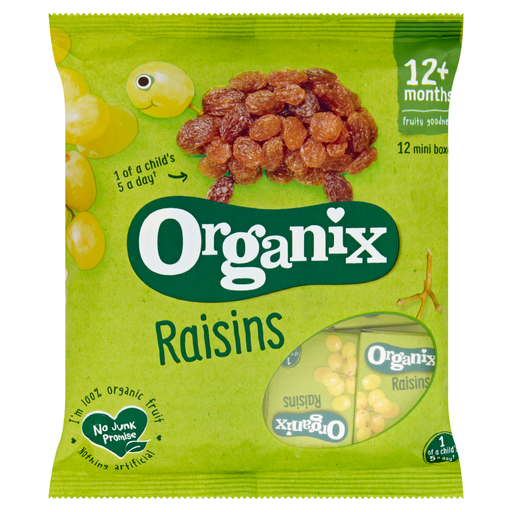
The 12 individual 14g portions offer a set amount if you choose raisins for viewing time; check the pack's kcal and sugars per box rather than applying another brand's figures.
 No image available
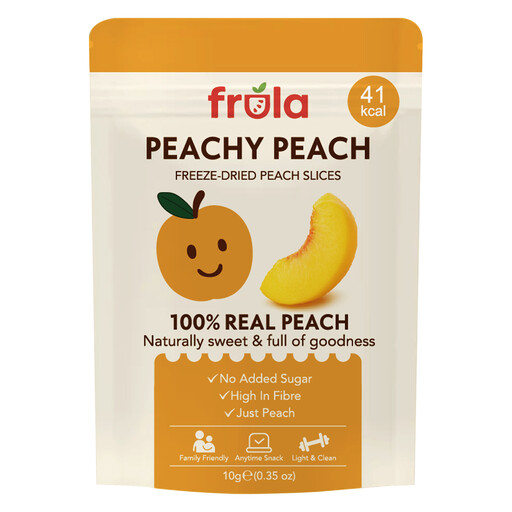
This 10g freeze-dried peach pack offers a defined amount. Check its own nutrition label before comparing it with larger servings of conventionally dried fruit.
 No image available
The individual wrappers let you set aside a chosen number of prunes from the 500g pack. Check the ingredients for sweeteners and the nutrition panel for the amount you intend to eat.
 No image available
If you prefer red dates, portion these pitted dates before viewing rather than judging the snack by the amount in the pack. Check the current label for serving weight, calories and ingredients.
Yes. The NHS says 30g of dried fruit counts as one 5 A Day portion. It advises eating dried fruit at mealtimes rather than between meals.
If it is a separate, between-meal snack, it does not follow the NHS advice to eat dried fruit at mealtimes to reduce tooth-decay risk. Consider whether to have a measured portion with dinner or choose a different snack for later viewing.
Compare kcal and grams for the amount you would actually eat. Tesco lists 40 kcal for a 14g raisin box, Sainsbury's lists 68 kcal for 30g of ready-to-eat apricots, and the BEAR mango listing gives 79 kcal for a 25g pouch; these are different serving weights.
No. A no-added-sugar description concerns added ingredients, not the total sugars shown on the nutrition panel. Check both the ingredients and sugars per serving on the particular dried-fruit pack.
Yes, if you need to avoid them. The Food Standards Agency notes that sulphur dioxide and sulphites are used in some dried fruit; check the current ingredients and allergen declaration for the specific product.