Workers comparing snack calories
If you keep dried fruit at work, the useful figure is the calories in the amount you plan to eat. A value per 100g alone does not tell you what is in your portion.


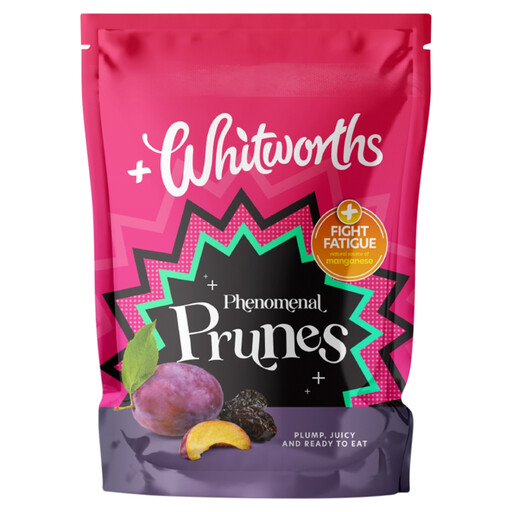
For a lower-calorie dried-fruit choice at work, compare the calories in the portion or whole pack you will actually eat. Among the retailer-labelled examples considered here, Whitworths Phenomenal Prunes list approximately 51 kcal per 30g and Asda Prunes list 54 kcal per suggested serving, but both come in multi-serving packs that need portioning. NHS guidance advises eating dried fruit at mealtimes rather than grazing on it between meals to reduce tooth-decay risk.
If you keep dried fruit at work, the useful figure is the calories in the amount you plan to eat. A value per 100g alone does not tell you what is in your portion.
An individual pack makes the portion size clear without measuring fruit from a larger bag. Check its total calories and sugars too: convenient packaging does not determine either figure.
Meal timing matters as well as portion size. NHS guidance advises having dried fruit at mealtimes, rather than repeatedly eating it between meals, to reduce tooth-decay risk.
Start with the amount you will eat, then compare its label values and decide whether the pack fits your working-day routine.
| Priority | What to check | Your needs |
|---|---|---|
| Portion calories | Read kcal per stated serving and per whole pack. Check the serving weight and how many servings the bag contains before comparing products. | I want to know the calories in the amount I will take to work, rather than estimate an unmeasured handful. |
| Pack format | Check whether the fruit comes in one fixed-size pack or a multi-serving bag. For a larger bag, decide how you will measure and carry one portion. | A ready-sized pack suits me if I am unlikely to portion fruit before leaving home; otherwise I can prepare a serving for lunch. |
| Total sugars | Read total sugars for the intended serving or pack alongside the ingredients. A no-added-sugar claim does not replace the total-sugars figure; compare traffic-light information where supplied. | I do not want to assume that fruit labelled “no added sugar” is low in total sugars. Sainsbury’s lists 20g sugars in a 35g BEAR Dried Mango pack labelled no added sugar. |
| When you eat it | Plan dried fruit as part of a meal rather than leaving an open bag for repeated between-meal snacking, in line with NHS dental guidance. | I can add a measured portion to lunch instead of grazing on dried fruit throughout the afternoon. |
The amount in a suggested serving or individual pack may differ between products, so the per-100g figure does not describe the snack you actually eat.
Compare kcal for your planned portion or the whole pack. If you buy a larger bag, portion it before taking it to work.
Sainsbury’s lists 20g total sugars in a 35g pack of BEAR Dried Mango that is labelled no added sugar.
Check the total-sugars line for the portion you will eat, as well as the ingredients and any traffic-light label.
NHS advises eating dried fruit at mealtimes rather than between meals to reduce tooth-decay risk.
Pack a serving to eat with lunch or another meal instead of keeping an open bag on the desk.
Stones may remain in prunes despite pitting, as noted in the product information for the prune examples considered here.
Read the warning on the pack you buy and take care when eating or sharing the fruit.
These product and range examples can help you decide what to compare; a value for one product does not apply to every item from the same brand or retailer.
A dried-fruit brand with multi-serving prune products for buyers willing to measure a portion.
An own-label prune example with nutrition stated for a suggested serving from a larger bag.
Its own-label prunes and a separately branded mango snack illustrate why pack format and serving values both matter.
Tesco’s dried-fruit listing includes prunes, raisins, dates and mango in different pack formats.
Its fruit-snack range includes prunes, apricots, dates, mango and raisin snack boxes.
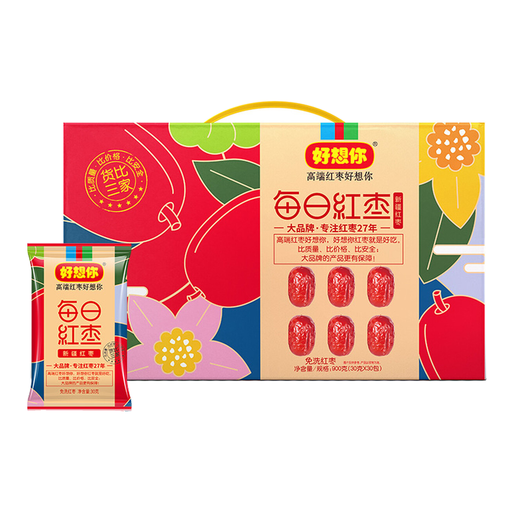
These prunes, jujubes and red dates offer different ways to pack dried fruit for work. Compare each product’s own serving information before deciding how much to take, and follow NHS advice to eat dried fruit with a meal.
 No image available
The individually wrapped prunes offer a way to carry fruit to work. Check the pack’s nutrition per 100g and the weight you intend to eat; an individual prune’s wrapper does not by itself establish its calorie count.
 No image available
Seven 25g packs make the amount in one pack straightforward to identify. Check calories and sugars for a 25g pack rather than judging it by its smaller pack size.
 No image available
Each sachet contains 30g, so you can compare the label against the amount in one sachet before packing it with lunch. Check the product’s eating and stone warnings on the pack.
 No image available
This 400g prune pack needs a portion-size check before you can compare its calories with a ready-sized snack. Read its own ingredients and total-sugars line if added sweeteners are a consideration.
 No image available
Portion this 190g bag before taking it to work if you want to track the amount eaten. It is a different product from Whitworths Phenomenal Prunes, so use the Snacking Prunes pack’s own nutrition values rather than transferring the other product’s figures.
NHS advises eating dried fruit at mealtimes rather than as a between-meal snack to reduce tooth-decay risk. If you bring it to work, plan a portion with lunch or another meal instead of eating repeatedly from a desk bag.
Compare kcal for the amount you intend to eat: the stated serving, a measured portion or the entire individual pack. Check serving weights and servings per bag so a multi-serving pack is not mistaken for one snack.
No. Sainsbury’s lists 20g sugars in the 35g BEAR Dried Mango pack, which is labelled no added sugar. Read total sugars for your portion as well as the ingredients and any front-of-pack indicator.
Check the serving information and any warning about stones on the particular pack. Product information for the prune examples considered here notes that stones may remain despite pitting, so take care when eating or sharing them.