Hosts planning measured servings
If guests will be helping themselves, compare energy for the amount you intend to serve and put out defined portions instead of an open bag.


For a lower-calorie dried-fruit serving at a Bonfire Night meal, compare the energy listed for the same 30g amount rather than choosing by fruit name alone. ASDA lists 162 kcal per 100g for its prunes, equivalent to 48.6 kcal per 30g, and 55 kcal per 30g for its apricots; those figures describe those products, not every prune or apricot. NHS guidance advises eating dried fruit at mealtimes rather than grazing on it between meals, while ingredient labels and possible fruit stones need checking before serving.
If guests will be helping themselves, compare energy for the amount you intend to serve and put out defined portions instead of an open bag.
NHS guidance places dried fruit at mealtimes rather than between meals to reduce tooth-decay risk. Check fruit for possible remaining stones before serving, particularly to children.
Read the ingredients and allergen declaration on each pack. The Food Standards Agency says sulphur dioxide or sulphites are often used in dried fruit and notes a higher risk of reaction to sulphur dioxide for people with asthma.
Start with a like-for-like 30g energy comparison, then decide how the fruit will be served and which label warnings matter to your guests.
| Priority | What to check | Your needs |
|---|---|---|
| Energy per serving | Compare kcal for the same 30g amount. ASDA lists 162 kcal per 100g for its prunes, equivalent to 48.6 kcal per 30g, and 55 kcal per 30g for its apricots. | I want to compare the portion I will actually put on a plate, rather than assume one type of fruit always has less energy. |
| Serving occasion | Measure the portion before serving. NHS guidance says 30g of dried fruit counts as one 5 A Day portion and advises eating dried fruit at mealtimes rather than between meals to reduce tooth-decay risk. | For an evening gathering, I would rather serve dried fruit with the meal than leave a bag out for repeated grazing. |
| Ingredients and allergens | Read the current ingredients and allergen declaration. ASDA Apricots list sulphur dioxide or sulphites; the Food Standards Agency says these are often used in dried fruit. | If someone eating the fruit needs to avoid sulphites, I need to check that particular pack before choosing it. |
| Possible stones | Check the pack warning and inspect fruit before serving. ASDA says stones may remain in its prunes and apricots despite efforts to remove them. | When serving children or sharing bowls, I want to check the fruit rather than rely on a pitted or stoned description. |
| Community-event serving | Keep the original packaging available so guests can read the ingredients. GOV.UK says food provided at community or charity events must comply with food law and be safe to eat; registered food businesses must follow allergen rules. | If I am providing food at a community event, I need to check which requirements apply to the way it is being provided. |
The energy figure changes with both the product and the amount served, so a per-100g figure alone does not describe a smaller bowl.
Compare labels on a common 30g basis, then measure the portion you plan to offer.
NHS advice is to eat dried fruit at mealtimes rather than as a between-meal snack to reduce tooth-decay risk.
Put measured portions alongside the meal instead of using an open bag as an all-evening snack.
ASDA Apricots list sulphur dioxide or sulphites. The Food Standards Agency says sulphur dioxide is often used in dried fruit and identifies a higher risk of reaction for people with asthma.
Check the ingredient and allergen declaration of the exact pack being served.
ASDA warns that stones may remain in its prunes and apricots despite care taken to remove them.
Inspect the fruit before serving, with particular care when children will be eating it.
These labelled UK examples provide comparison points; check the current pack when choosing a particular product.
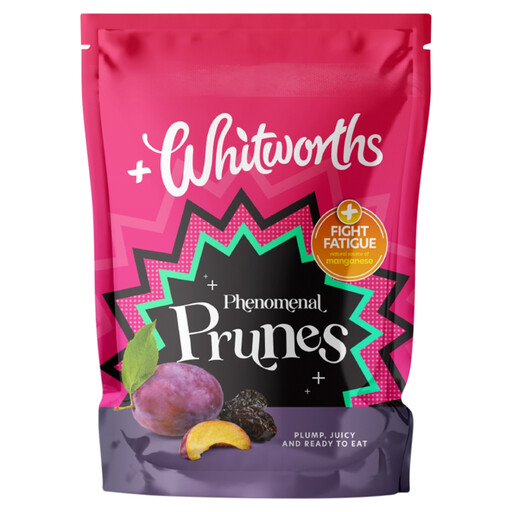
Whitworths Phenomenal Prunes are a reference for comparing a stated 30g serving.
ASDA provides labelled prune and apricot examples for a like-for-like serving comparison.
M&S lists several dried-fruit formats, including Collection Soft Prunes.
These Joybuy options include apricots, prunes and figs. Use the pack size to plan servings, and check each product’s current nutrition and ingredient label before deciding what to serve at a Bonfire Night meal.
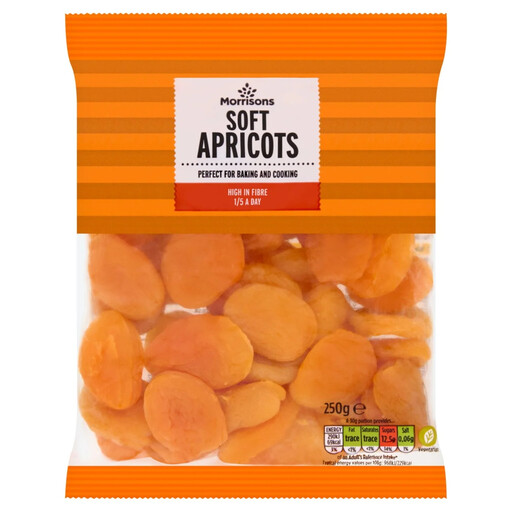 No image available
For a shared meal, measure portions from this 250g pack. Check its current allergen declaration if sulphites matter to anyone eating it, and inspect the fruit before serving.
 No image available
Individual wrapping may make it easier to set out separate servings, but check the weight and energy of the amount served. Read the ingredients rather than treating the product’s promotional wording as a nutrition comparison, and inspect the prunes for stones.
 No image available
Measure servings from the 190g bag and use this product’s own nutrition label for the energy comparison; figures for Whitworths Phenomenal Prunes do not establish the values for Snacking Prunes. Inspect the fruit before serving.
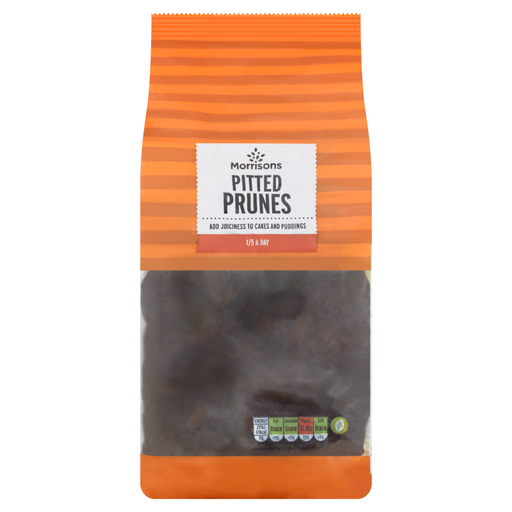 No image available
The 500g bag needs portioning for a shared meal. Check its own per-serving nutrition information rather than applying figures from another prune product, and inspect pitted fruit for possible remaining stones.
 No image available
Figs offer another dried-fruit choice for the meal. Portion from the 175g bag and compare its own label on the same serving basis as any prunes or apricots you are considering.
A 30g amount gives you a consistent basis for comparing energy labels. NHS says 30g of dried fruit counts as one 5 A Day portion; for specific examples, ASDA Prunes list 162 kcal per 100g, equivalent to 48.6 kcal per 30g, while ASDA Apricots list 55 kcal per 30g. Check the label of the product you buy.
Serve it with the meal rather than leaving it out for repeated between-meal snacking. NHS guidance advises eating dried fruit at mealtimes to reduce tooth-decay risk.
Check the individual pack rather than assuming either way. ASDA Apricots list sulphur dioxide or sulphites, and the Food Standards Agency says these are often used in dried fruit; it also notes a higher risk of reaction to sulphur dioxide for people with asthma.
Yes. ASDA warns that stones may remain in its prunes and apricots despite efforts to remove them, so inspect fruit before serving, particularly to children.
Check the food-safety and allergen requirements that apply to how you provide it, and keep the pack information available for guests to read. GOV.UK says food provided at community or charity events must comply with food law and be safe to eat; registered food businesses must follow allergen rules.