Older adults intentionally managing energy intake
When appetite and weight are stable, compare calories for the whole meal alongside protein, salt and serving size. A calorie-controlled label alone does not describe everything in the meal.


A lower-calorie frozen meal is worth considering for an older person only when managing energy intake is appropriate; compare the whole serving’s calories, protein, salt and allergens rather than relying on a calorie-controlled label. NHS guidance on malnutrition points towards adequate energy and protein when appetite is poor or weight loss is unintentional, while a prescribed swallowing diet requires food that meets the assessed texture level.
When appetite and weight are stable, compare calories for the whole meal alongside protein, salt and serving size. A calorie-controlled label alone does not describe everything in the meal.
Consider the person’s appetite, recent weight changes, allergies and ability to prepare the meal. If appetite is poor or weight loss is unintentional, NHS guidance on malnutrition makes adequate energy and protein a more relevant question than routine calorie restriction.
A standard frozen ready meal should not be assumed to match a prescribed swallowing texture. Check the assessed International Dysphagia Diet Standardisation Initiative (IDDSI) level with the person’s care team before choosing a product.
Decide whether a lower-calorie meal is appropriate first, then compare the whole serving and any texture, allergy or preparation requirements.
| Priority | What to check | Your needs |
|---|---|---|
| Energy intake | Read calories for the whole pack or amount eaten. Consider appetite and unintentional weight changes before choosing a calorie-controlled meal. | I’m comparing lower-calorie meals only if managing energy intake is appropriate. If appetite is poor or weight loss is unintentional, I’ll ask a GP or dietitian about the person’s needs; NHS malnutrition guidance emphasises adequate energy and protein in that situation. |
| Protein and meal content | Compare protein for the whole serving alongside calories. Check the ingredients and nutrition panel rather than treating a protein claim as a complete assessment of the meal. | With a small appetite, I want to see what the portion provides, not choose solely by the lowest calorie figure. Royal United Hospitals Bath NHS Foundation Trust highlights protein among the nutrients to consider in later life. |
| Salt and label values | Check salt, saturated fat and sugars as well as calories. Keep per-serving and per-100g figures distinct when comparing different pack sizes. | I want to know what is in the amount actually eaten. NHS food-label guidance says front-of-pack labels commonly show energy, fat, saturated fat, sugars and salt. |
| Texture, allergens and cooking | For a prescribed swallowing diet, confirm the assessed IDDSI texture. Read the current allergen declaration and follow the specific pack’s cooking directions. | If the meal is for someone with swallowing difficulties or an allergy, I need to check those requirements before choosing it. A soft-looking meal is not proof that it meets a prescribed texture. |
For someone with poor appetite or unintentional weight loss, choosing fewer calories may conflict with the need for adequate energy and protein described in NHS malnutrition guidance.
Check appetite and weight changes before buying several meals. Ask a GP or dietitian about the person’s needs if either is a concern.
Figures per 100g and per portion answer different questions. Calories alone also leave out protein and salt.
Compare the amount likely to be eaten, using the nutrition panel for calories, protein and salt.
Cambridge University Hospitals NHS Foundation Trust warns that food or drink of the wrong texture can pose risks for people on modified-texture diets.
Use the assessed IDDSI level and confirm the product and preparation method with the relevant clinician if there is any doubt.
For someone with an allergy, the current allergen declaration and any precautionary “may contain” statement matter when selecting a particular pack.
Read the packaging for the pack being bought, then follow its own storage and cooking instructions.
Tesco lists calorie-controlled ready meals and has a separate frozen ready-meal category.
Waitrose lists Birds Eye Get Real Protein bowls among its ready-meal products.
The Get Real Protein range includes Thai Red Chicken Curry and Mexican Style Chicken Burrito Bowl.
M&S presents Count On Us dishes and frozen ready meals as separate ranges.
Iceland lists frozen ready meals alongside Slimming World and MyProtein ranges.
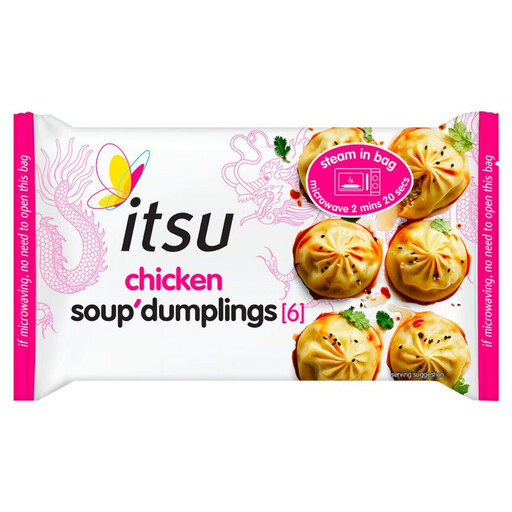
This dumpling option may be worth checking when comparing frozen meals for someone intentionally managing energy intake. Read the current pack for whole-serving nutrition, allergens and preparation directions; do not assume it meets a prescribed swallowing texture.
 No image available
For a calorie-conscious comparison, check the current pack’s whole-serving calories, protein and salt alongside its allergen and cooking instructions. Do not assume the dumplings meet a prescribed swallowing texture.
No. It may be considered when managing energy intake is appropriate, but poor appetite or unintentional weight loss changes the decision. NHS malnutrition guidance emphasises adequate energy and protein; ask a GP or dietitian about concerning changes in appetite or weight.
Check protein, salt, saturated fat, sugars and the size of the serving likely to be eaten, as well as allergens where relevant. NHS food-label guidance says front-of-pack information commonly covers energy, fat, saturated fat, sugars and salt; use the full nutrition panel for further detail.
Only if the prepared food meets that person’s assessed texture requirements. NHS England describes texture modification as part of managing swallowing difficulties, so check the prescribed IDDSI level rather than judging a meal by how soft it looks.
Check the packaging of the prepacked meal. GOV.UK guidance states that nutrition information must be declared on prepacked food; compare the stated serving with the amount the person will actually eat.
No single method applies to every product: follow that meal’s pack instructions. Food Standards Agency research notes that cooking frozen food without thawing can take longer and may leave it insufficiently heated, so do not substitute a different method without checking the directions.