Viewers watching their portion size
If you want to know how many calories your snack contains, compare the label with an amount you will actually serve rather than treating a full bag as one portion.


For a calorie-conscious TV-night snack, decide how much you will eat before opening the pack: nuts can provide substantial energy even in a small bowl. Compare kcal per 100g and for your intended portion, then check salt, ingredients and allergens; a single-serving pack makes the amount clear, but does not necessarily contain fewer calories than a smaller portion measured from a larger pack.
If you want to know how many calories your snack contains, compare the label with an amount you will actually serve rather than treating a full bag as one portion.
Plain, unsalted and salted nuts can have different salt figures. Check both per 100g and for the amount you plan to eat.
A single pack or a portion set aside before the programme makes it easier to keep track of the amount eaten than an open pouch or shared bowl.
Start with the portion you intend to eat, then compare labels on the same per-100g basis. A flavoured or pre-portioned product still needs its ingredients and nutrition panel checked.
| Priority | What to check | Your needs |
|---|---|---|
| Calories and portion | Compare kcal per 100g, then calculate or read the figure for the amount you will eat. Check whether a stated serving matches the portion you intend to put in your bowl. | I want a crunchy snack without losing track of the amount. Kent Community Health NHS Foundation Trust lists 15g of pistachios at about 90 kcal as one small-portion example; the figure for another product may differ. |
| Salt | Read salt per 100g and per intended serving. Compare salted varieties with plain or unsalted alternatives rather than judging by the nut alone. | For a savoury snack, I would rather check the salt figure before choosing. The Ocado listing for a 30g KP Salted Peanuts pack states 0.36g salt. |
| Ingredients and flavour | Read the ingredient list for added sugar, honey, syrups or seasoning, and compare sugars for the portion you plan to eat. | I may enjoy honey-roast nuts, but I do not want to mistake them for plain nuts. Ocado lists 4.2g sugars per 30g serving for KP Honey Roast Peanuts. |
| Pack format | Check the amount in an individual pack or measure a serving from a larger one. A portioned pack fixes the quantity, not its calorie figure. | If I tend to keep eating during a film, setting aside one serving before it starts helps me stick to the amount I chose. |
| Allergens and warnings | Read the current ingredients, allergen statement and any age-related warning on the particular pack. Do not infer suitability from the product title. | When someone in the household has an allergy, I need to check the exact product rather than assume a different type of nut is suitable. |
Portion size changes the calorie figure you will consume. Marks & Spencer lists 576 kcal per 100g for its Natural Shelled Pistachios, so a large bowl is not comparable with a small measured serving.
Set aside the amount you intend to eat before watching, and use the pack’s per-100g figure to compare products.
Flavouring changes what is in the pack. Ocado lists 0.36g salt in a 30g KP Salted Peanuts pack and 4.2g sugars in a 30g serving of KP Honey Roast Peanuts.
Compare the ingredients, salt and sugars for the serving you would eat, alongside a plain alternative if that suits your preference.
A defined serving helps you see the quantity, but the Ocado listing gives a 30g KP Salted Peanuts pack as 185 kcal. A smaller amount measured from another pack is a different comparison.
Choose the format that helps you stop at your intended amount, then check its kcal per serving.
Peanuts and tree nuts are distinct allergens, and an individual product may carry warnings about other ingredients or cross-contact. Product titles cannot establish allergy suitability.
Read the current pack’s ingredients, allergen statement and warnings for the person who will eat it. Keep whole nuts away from young children where the product carries a choking warning.
These product examples illustrate label and portion differences; they are not a comparison of everything each brand sells.
Its Natural Shelled Pistachios provide a plain-nut example for comparing energy and salt on a per-100g label.
Tesco Almonds 200G is another plain-nut reference with a stated 30g serving.
Its salted peanut multipack offers a defined serving, while its honey-roast peanuts illustrate why flavoured nuts need a separate ingredient check.
These Joybuy options include chestnuts and pistachios for a TV-night snack. Their pack sizes and styles differ, so check the current nutrition label and set aside the portion you intend to eat.
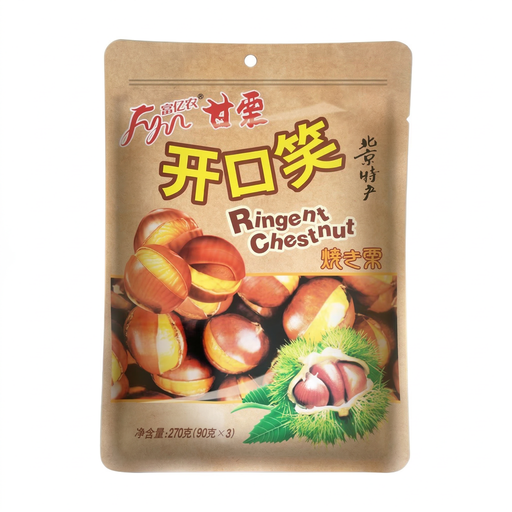 No image available
The three-pack format lets you take out one pack for TV night, though you may still want a smaller portion. These split-shell chestnuts offer a different texture from crunchy pistachios; check the pack’s nutrition information for your chosen amount.
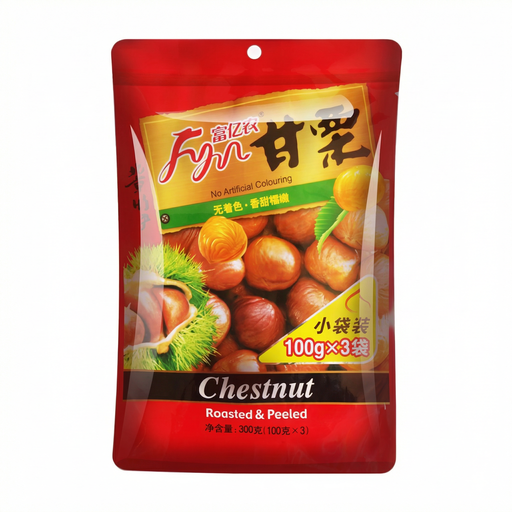 No image available
If you prefer chestnuts, set aside a serving from this 300g bag before watching. Check the nutrition panel for the amount you choose rather than treating the bag as a single snack.
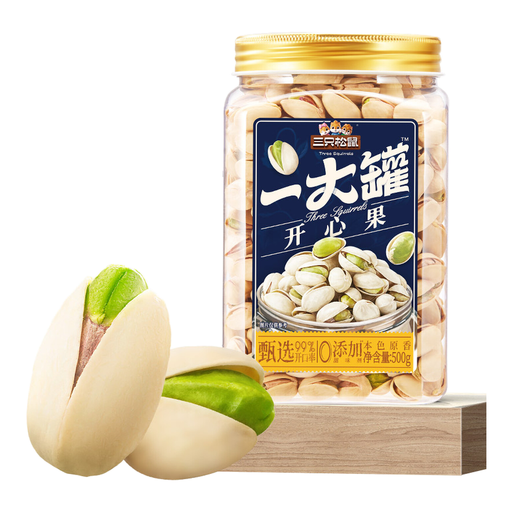 No image available
For a pistachio snack during a film, measure a portion from this 500g container rather than eating directly from it. Check the current pack for energy, salt and allergens.
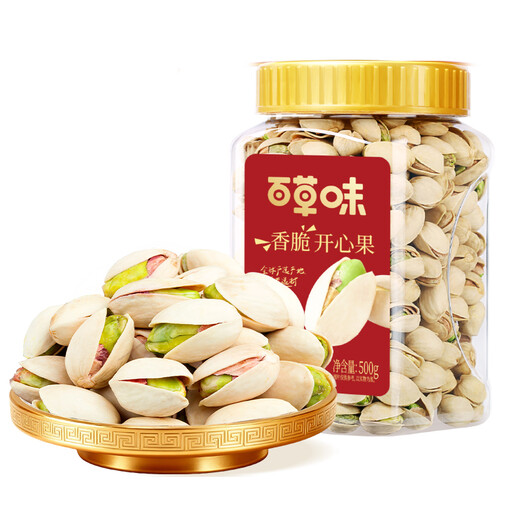 No image available
This 500g pistachio bag suits a snack you plan to divide into servings. Compare its current per-100g label and the amount you intend to eat with other pistachio options.
 No image available
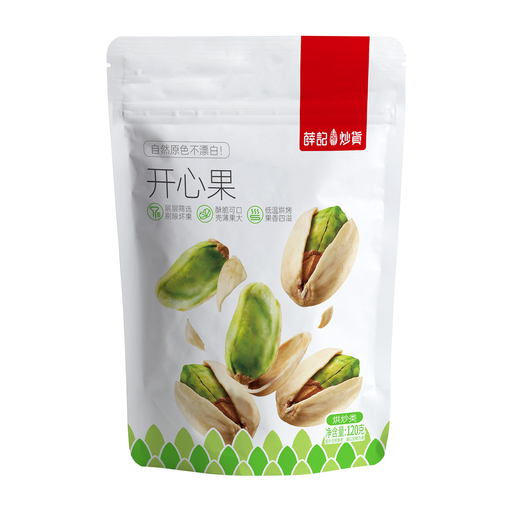
If you want salted pistachios in a 120g bag, check the labelled salt as well as kcal for your intended serving. “Lightly salted” is not a substitute for comparing the figures with another pack.
Do not assume so: the portion matters. Kent Community Health NHS Foundation Trust gives 15g of pistachios at about 90 kcal as a small-portion example. Check the calorie figure on the particular pack and measure the amount you plan to eat.
Use per 100g to compare different products on the same basis, then use the serving figure to assess the amount you will eat. As NHS food-label guidance explains, nutrition information is given per 100g and sometimes per portion; a pack’s stated portion may not match yours.
Compare salt per 100g and for your intended portion, including when a product is described as lightly salted. For reference, Ocado lists 0.36g salt in a 30g KP Salted Peanuts pack, while Marks & Spencer lists 0.03g per 100g for its Natural Shelled Pistachios; those figures use different quantities.
Do not assume that changing nut type makes a product suitable. The Food Standards Agency distinguishes peanuts from tree nuts, and individual products can carry warnings about other allergens. Check the current label and follow the person’s individual allergy advice.
Follow that product’s storage instructions. The Marks & Spencer listing for Natural Shelled Pistachios says to keep them in a cool, dry place away from sunlight and eat them within one week of opening.