Parents comparing energy values
If kcal per 100g is the deciding factor, compare the labels on the products you are considering rather than assuming all nut snacks have similar values.


For a child aged 5 or over who can eat whole nuts, plain chestnuts are the lower-energy choice in this two-product comparison: Marks & Spencer lists 160 kcal per 100g for its Whole Chestnuts, against 615 kcal per 100g for KP Original Salted Peanuts on the ASDA Groceries listing. Neither whole chestnuts nor whole peanuts are suitable for children under 5, according to the NHS. Check the child’s allergies and any school or holiday-club food rules before choosing a snack.
If kcal per 100g is the deciding factor, compare the labels on the products you are considering rather than assuming all nut snacks have similar values.
Whole chestnuts or peanuts may be considered only when the child can eat whole nuts and there is no relevant allergy. The NHS advises against giving whole nuts to children under 5 because they can choke.
Read the current ingredient and allergen label for the child concerned. If the snack is going to a school or holiday club, check that venue’s food policy before packing nuts.
Start with the child’s age and any allergy or venue restrictions; then compare energy on the same per-100g basis and consider the portion you intend to serve.
| Priority | What to check | Your needs |
|---|---|---|
| Energy and portion | Compare kcal per 100g, then check the portion. Marks & Spencer lists 160 kcal per 100g for Whole Chestnuts; ASDA Groceries lists 615 kcal per 100g and 185 kcal per 30g serving for KP Original Salted Peanuts. These figures compare two products, not every chestnut and peanut snack. | I’m looking for a lower-energy option, but I also need to know how much will be served. |
| Age and format | Check whether the snack contains whole nuts. The NHS says not to give whole nuts, including peanuts, to children under 5 because they can choke. Where nuts are otherwise appropriate, its guidance describes crushed or ground nuts added to food as alternatives. | For a child under 5, I need a snack that does not contain whole nuts. |
| Allergens and venue rules | Read the current pack label for ingredients and may-contain statements. KP Original Salted Peanuts contain peanuts and, according to ASDA Groceries, may contain milk, soya, nuts and cereals containing gluten. Ask the school or holiday club about its current food policy. | If my child has an allergy, or the snack is for a club, I need to check both the product and the venue’s rules. |
| Storage after opening | Check the pack’s storage instructions and size. Marks & Spencer says to eat its Whole Chestnuts within 3 days of opening. | I may want a pack that can be used across several snack occasions, so the instructions after opening matter. |
In this limited comparison, Marks & Spencer Whole Chestnuts list 160 kcal per 100g, while ASDA Groceries lists 615 kcal per 100g for KP Original Salted Peanuts.
Compare the current labels per 100g, then look at the amount you plan to serve.
The NHS says children under 5 can choke on whole nuts, including peanuts.
Do not serve whole chestnuts, peanuts or other whole nuts to this age group. If nuts are otherwise appropriate, follow NHS guidance on crushed or ground forms added to food.
ASDA Groceries lists 0.36g salt per 30g serving for KP Original Salted Peanuts. The product contains peanuts and has a may-contain statement for other allergens.
Check the current pack, particularly when choosing food for a child with a known allergy.
Food rules can depend on the setting and its allergy arrangements.
Ask the specific school or holiday club about its packed-snack policy before sending nuts.
The M&S Whole Chestnuts 180g product provides a plain chestnut reference for comparing energy values.
KP Original Salted Peanuts 250g provide a salted-peanut reference for this two-product comparison.
These chestnut products offer pack sizes to consider if you are looking for a nut-based school-holiday snack. Check each current pack’s energy, ingredients, allergen information and preparation details before choosing; do not serve whole nuts to children under 5.
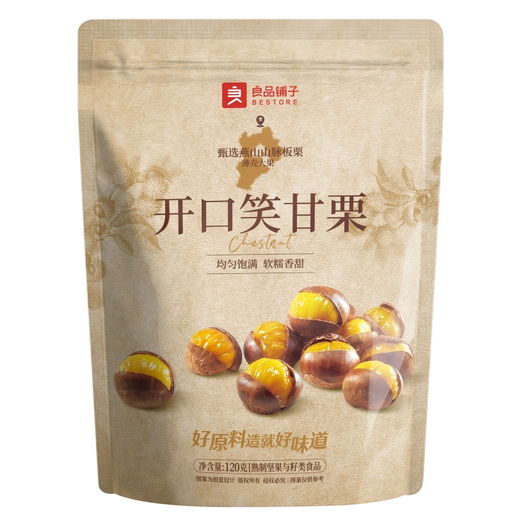 No image available
A 120g chestnut pack to consider when comparing snack portions. Check the current energy and allergen label, and whether the chestnuts are served whole; whole nuts are not suitable for children under 5.
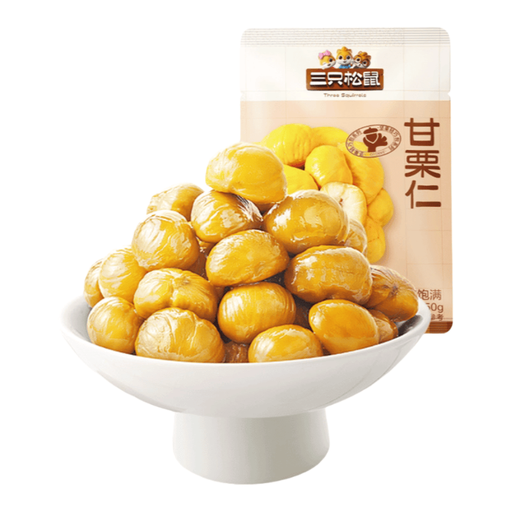 No image available
The 50 g pack gives you a stated pack size to weigh against the portion you intend to serve. Compare its current kcal per 100g and ingredients with other options; do not give whole nuts to children under 5.
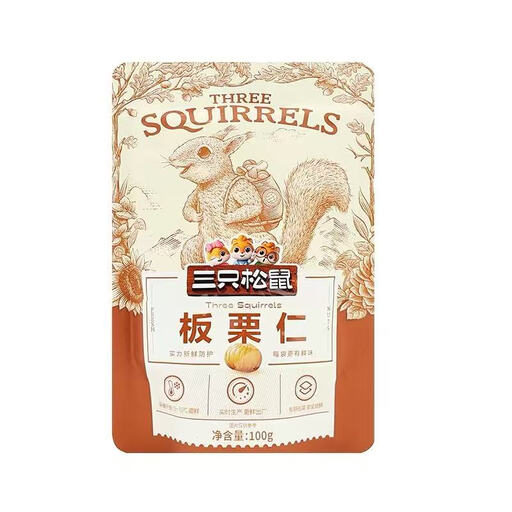 No image available
This 100g pack is another chestnut option for a label-by-label energy comparison. Check the ingredients and allergen information, and avoid serving whole kernels to children under 5.
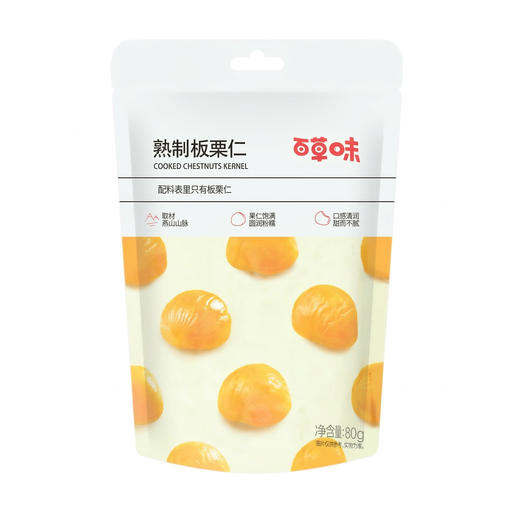 No image available
The 80g pack offers a different size for a chestnut snack. Use the current pack label to compare energy per 100g and check allergens; whole kernels must not be served to children under 5.
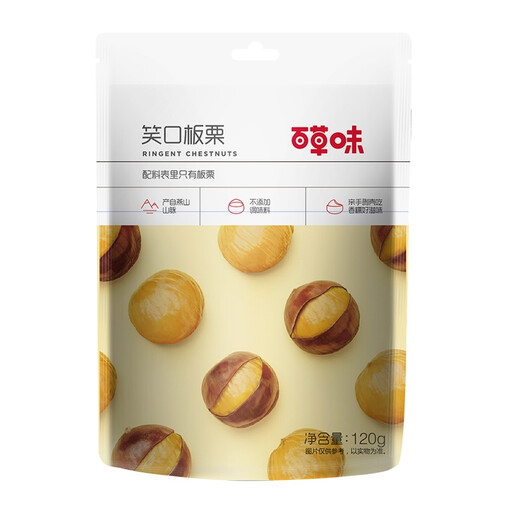 No image available
This 120g chestnut pack may suit a different planned portion from the smaller packs above. Check its current nutrition and allergen label, particularly for a child with an allergy; do not serve whole nuts to children under 5.
No. The NHS says not to give whole nuts, including peanuts, to children under 5 because they can choke. Where nuts are otherwise appropriate, its guidance describes crushed or ground nuts added to food, or nut butter spread onto another food, rather than whole nuts.
For these two products, yes: Marks & Spencer lists 160 kcal per 100g for M&S Whole Chestnuts, while ASDA Groceries lists 615 kcal per 100g for KP Original Salted Peanuts. Check the current label of the particular product you buy rather than applying those figures to all chestnuts or peanuts.
Ask the specific school or holiday club before packing them. The Department for Education’s guidance for schools in England addresses allergy-safety arrangements, but a venue’s current packed-food rules need to be checked directly.
Check the current ingredients and allergen label against your child’s known allergies. For babies and young children trying foods that can trigger an allergy, the NHS advises introducing them one at a time; families with a relevant allergy history may need to speak to a GP or health visitor first. Do not offer whole nuts to children under 5.