Campers planning portions
If you want to take nuts on a trip while keeping track of energy, pack a measured amount for each snack rather than relying on the size of an open bag.


For a lower-calorie camping snack made from conventional nuts, measure what you pack rather than treating a whole bag as one serving. The listed energy for three UK retailer products is 604 kcal per 100g for Sainsbury's Pistachio Nuts, 619 kcal for M&S Roasted Almonds and 631 kcal for Tesco Roasted & Salted Almonds; those figures compare the named products, not every pistachio or almond. The Joybuy options below are mainly chestnuts, with one pumpkin-seed product, so check each pack's own energy and serving information before comparing it with those nuts.
If you want to take nuts on a trip while keeping track of energy, pack a measured amount for each snack rather than relying on the size of an open bag.
Salt declarations can differ between products: M&S lists 0.03g per 100g for its Roasted Almonds, while Tesco lists 0.39g per 100g for its Roasted & Salted Almonds.
When food will be shared, check the exact pack's ingredients and precautionary allergen statements for every intended eater before the trip.
Start with energy for the amount you intend to eat, then check salt, allergens and storage instructions for the exact pack.
| Priority | What to check | Your needs |
|---|---|---|
| Portion and energy | Compare kcal per 100g and per stated serving, then measure the amount you will pack. Kent Community Health NHS Foundation Trust gives average examples of 12 almonds at 80 kcal and 15g of pistachios at 90 kcal; check the product label for exact amounts. | I want a snack I can carry without losing track of how much I have packed for each day. |
| Salt and ingredients | Read the salt value per 100g on comparable labels and check the ingredient list. M&S lists 0.03g salt per 100g for its Roasted Almonds; Tesco lists 0.39g for its Roasted & Salted Almonds. | If I prefer less salt, I need to compare the actual products rather than assume all roasted nuts are seasoned alike. |
| Allergens | Check ingredients and precautionary statements on the exact pack for nuts, peanuts and sesame. The Food Standards Agency distinguishes tree nuts from peanuts. | Food shared at camp needs to be suitable for everyone who might eat it. |
| Storage after opening | Check how to close and store the pack and how soon to use it. Tesco says to keep its opened almonds airtight and consume them within seven days; M&S says to reseal its almonds and eat them within one week. | On a multi-day trip, I need a pack size and storage arrangement that fit when I plan to open it. |
The three named Sainsbury's, M&S and Tesco products list 604–631 kcal per 100g. Eating more than the planned portion changes the amount of energy consumed.
Compare the label's serving and per-100g figures, then pack a measured amount for each snack.
Tesco Roasted & Salted Almonds list 0.39g salt per 100g, compared with 0.03g per 100g for M&S Roasted Almonds. Tesco's ingredient list also includes oils and salt.
If salt or seasoning matters to you, compare the declarations and ingredients on the products you are considering.
Product-specific warnings matter: Sainsbury's says its Pistachio Nuts are unsuitable for customers with an allergy to other nuts or sesame due to manufacturing methods; M&S warns about peanut and sesame allergy for its Roasted Almonds.
Check every exact pack before sharing food, and follow the allergic person's individual safety plan.
Tesco and M&S give storage and use-by-after-opening instructions for their respective almond products, which matter when a pack will be opened during a multi-day trip.
Keep the pack as directed, reseal it or use an airtight container where instructed, and plan the quantity around its stated after-opening period.
Its Pistachio Nuts 100g provide a labelled serving figure as well as a per-100g energy figure for portion planning.
Its Roasted Almonds offer an example to consider when the salt declaration matters alongside energy.
Its Roasted & Salted Almonds 100G have a stated quarter-bag serving, useful if that seasoning is what you want to pack.
These camping snack options comprise four chestnut products and one pumpkin-seed product. Pumpkin seeds are seeds rather than nuts; for any of these packs, check the nutrition and allergen information for the amount you plan to eat.
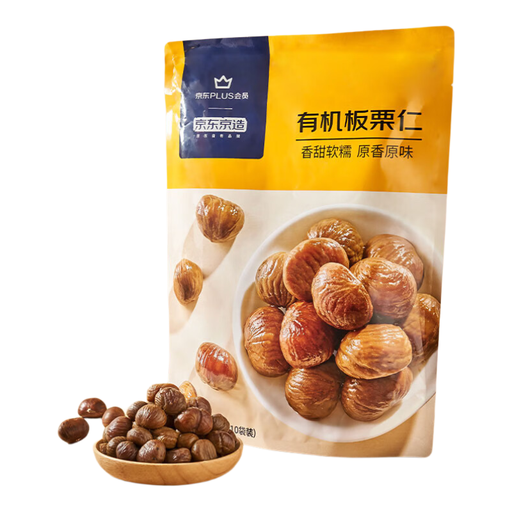 No image available
The sachets let you allocate chestnuts across days or people on a camping trip. The product name specifies ready-to-eat peeled chestnuts and 10 sachets in a 1 kg pack; check the nutrition label for the amount you intend to eat from a sachet.
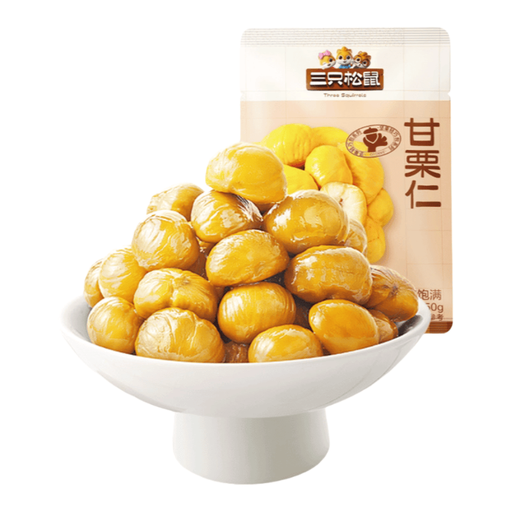 No image available
The 50 g pack is an option when you want to carry a smaller quantity than a large bag. Check its energy per pack and the exact allergen statement before including it in a shared food kit.
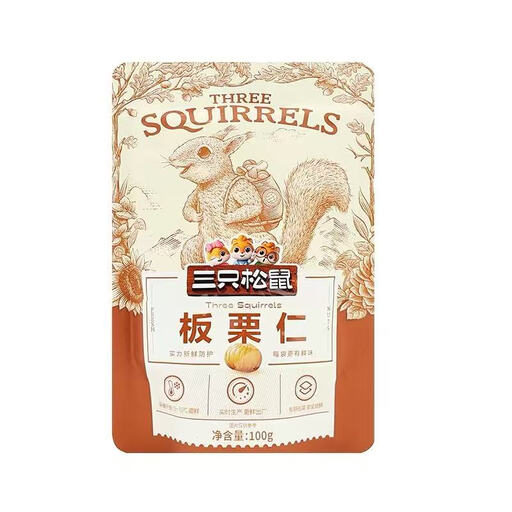 No image available
This 100g bag suits a trip where you can measure out the amount you want for each snack. Use its own nutrition label to calculate that portion, and check the pack's storage directions after opening.
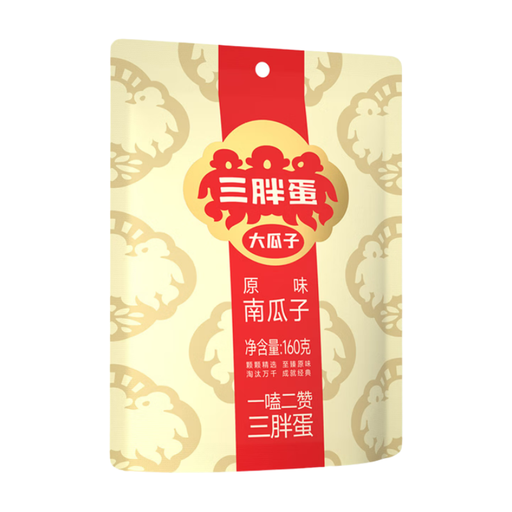 No image available
The eight 20g packs make it straightforward to set aside a pack for a day or person. These are pumpkin seeds, not nuts: compare their energy on the same per-100g basis as other snacks and check the exact pack's allergen information before sharing.
 No image available
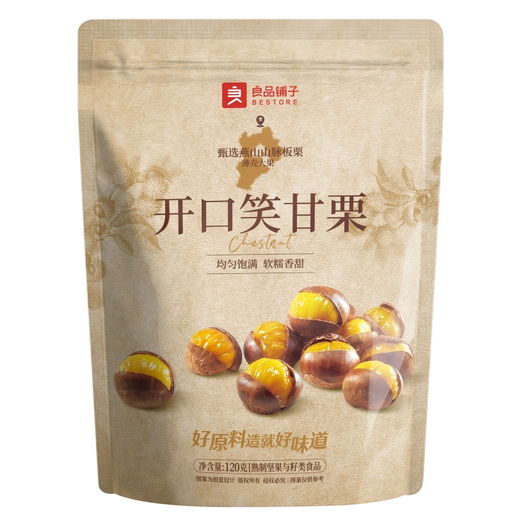
The 120g bag is an option if you plan to divide chestnuts into measured snacks during the trip. Check the label for energy per portion, allergens and how to store the contents once opened.
Do not assume so from the category name: the named Sainsbury's, M&S and Tesco products list 604, 619 and 631 kcal per 100g respectively. Pack a measured amount instead of eating from the bag. Kent Community Health NHS Foundation Trust gives average examples of 12 almonds at 80 kcal and 15g of pistachios at 90 kcal, while advising readers to check the label for exact values.
The Sainsbury's Pistachio Nuts in this comparison list 604 kcal per 100g, against 619 kcal for M&S Roasted Almonds and 631 kcal for Tesco Roasted & Salted Almonds. That is a comparison of these products' retailer labels, not a rule for all pistachios and almonds; check the packs you intend to buy.
Follow the instructions on your particular pack and keep it closed as directed. Tesco says to store its opened Roasted & Salted Almonds in an airtight container and consume them within seven days; M&S says to reseal its Roasted Almonds and eat them within one week.
No. The Food Standards Agency distinguishes peanuts, which are legumes, from tree nuts such as almonds and cashews. Check the exact product's ingredients and precautionary statements for the person who will eat it rather than relying on the snack's general name.
Do not assume whole nuts are suitable for them. Sainsbury's warns on its Pistachio Nuts product page that small children can choke on nuts; choose food appropriate to the child rather than treating a portion intended for adults as a shared snack.