Snackers watching portion size
If you want nuts after dinner, a measured serving makes it easier to judge what you will eat than an open handful from a large bag. Compare both kcal per 100g and the serving weight printed on the pack.


The cited Marks & Spencer, ASDA and Tesco product listings put the nuts compared here at 561–662 kcal per 100g, so a small portion matters more than a low-calorie-sounding name. Compare energy per 100g, then measure what you intend to eat: East Sussex Healthcare NHS Trust describes roughly 15g of nuts as a very small handful. Plain almonds have lower declared energy than the cited Planters salted peanuts, but serving size, salt and allergen statements can change which pack suits you.
If you want nuts after dinner, a measured serving makes it easier to judge what you will eat than an open handful from a large bag. Compare both kcal per 100g and the serving weight printed on the pack.
If salt or roast seasoning is part of the appeal, read beyond the flavour name. Tesco lists 1.9g salt per 100g for its Jumbo Dry Roasted Peanuts, whose seasoning also contains wheat and milk.
If you are buying for someone with an allergy, check the exact pack rather than assuming that plain nuts have no other warnings. The Food Standards Agency distinguishes peanuts from tree nuts, and the cited Marks & Spencer almond listing warns about peanut and sesame allergy.
Start with a like-for-like energy comparison, then check the amount you would actually serve and any ingredients or allergens that matter to you.
| Priority | What to check | Your needs |
|---|---|---|
| Energy | Compare kcal per 100g before comparing serving figures. Marks & Spencer lists 561 kcal per 100g for its Almonds; Tesco lists 662 kcal per 100g for Planters Lightly Salted Peanuts. | I want to compare different pack sizes without mistaking a smaller stated serving for a lower-energy product. |
| Serving size | Read the serving weight alongside its kcal figure, then measure the amount you plan to eat. East Sussex Healthcare NHS Trust describes roughly 15g of nuts as a very small handful. | A portion I can put in a bowl suits me better than eating directly from a sharing bag. |
| Salt and seasoning | Compare salt on the same per-100g basis and read the ingredients. Tesco lists 1.9g salt per 100g for Jumbo Dry Roasted Peanuts, with wheat and milk in the seasoning. | If I want a savoury flavour, I still need to know what comes with the seasoning. |
| Allergens | Check the current ingredients and precautionary statements on the physical pack. The Food Standards Agency identifies peanuts and tree nuts as distinct categories. | I need to check the specific product when buying for someone with an allergy, even if its main ingredient is familiar. |
| Pack format | Check whether the pack has individual portions or will need measuring after opening. Also follow its storage and post-opening instructions. | For an occasional midnight snack, I want a pack format I can use as directed without leaving a large open bag. |
Salt wording does not describe energy content. Tesco lists 662 kcal per 100g for Planters Lightly Salted Peanuts.
Check kcal per 100g and the serving weight separately from flavour or salt descriptions.
Without a measured amount, it is difficult to compare what you eat with a labelled serving. East Sussex Healthcare NHS Trust describes roughly 15g of nuts as a very small handful.
Put the portion you intend to eat in a bowl and close the pack before you start.
Seasoning can change both salt content and allergen information: Tesco lists wheat and milk in its Jumbo Dry Roasted Peanuts seasoning.
Read the salt line, ingredients and allergen statements on the pack you are buying.
A pack that remains open between occasional snacks still needs to be stored and used according to its label.
Choose a pack size that fits how often you expect to eat it, and check the instructions after opening.
These figures describe the named UK product listings, not every nut product from each brand or retailer.
A reference for comparing plain almonds by energy per 100g.
A plain almond reference with a stated serving guide.
Its cited listings cover blanched almonds, salted pistachios and dry-roasted peanuts.
A salted peanut reference for shoppers comparing labelled servings.
A lightly salted peanut reference where the flavour name should be kept separate from the energy figure.
A blanched almond reference with figures for both a serving and 100g.
These options include chestnuts, nut mixes, walnuts and almonds for a measured late-night snack. Chestnuts and mixes are different products from the plain almonds and salted peanuts discussed above; check each pack’s energy, ingredients and serving information before comparing them.
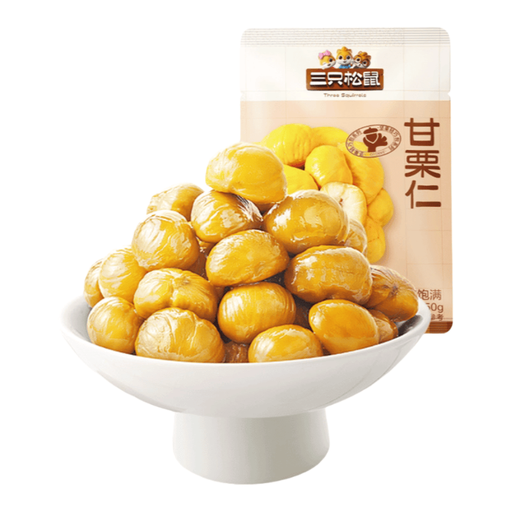 No image available
The 50 g pack gives you a defined amount for a late-night snack. Check its energy and ingredients on the pack rather than comparing chestnuts with almonds by name alone.
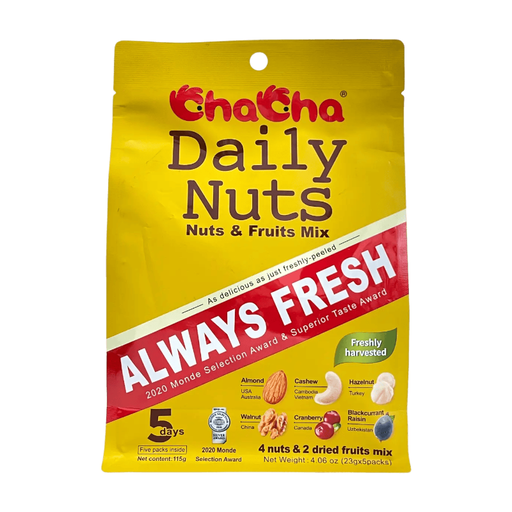 No image available
If you are considering this 115g pack for a midnight snack, check its labelled serving weight and measure the amount you intend to eat. Read the ingredients and allergen statements for the specific mix.
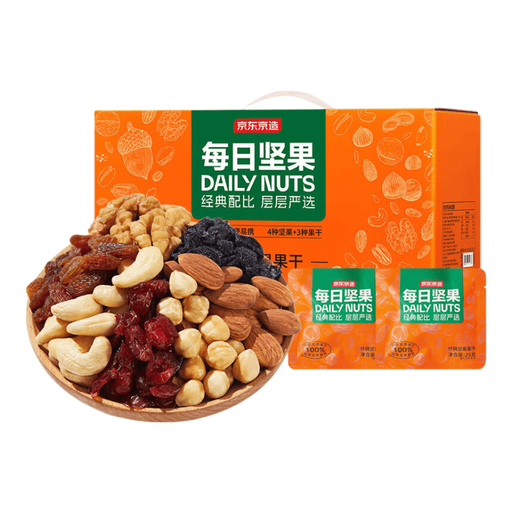 No image available
The 30 sachets provide individually packaged amounts rather than one open 750 g bag. This is a nuts-and-dried-fruit mix, so check the ingredients and energy for a sachet before choosing it over plain nuts.
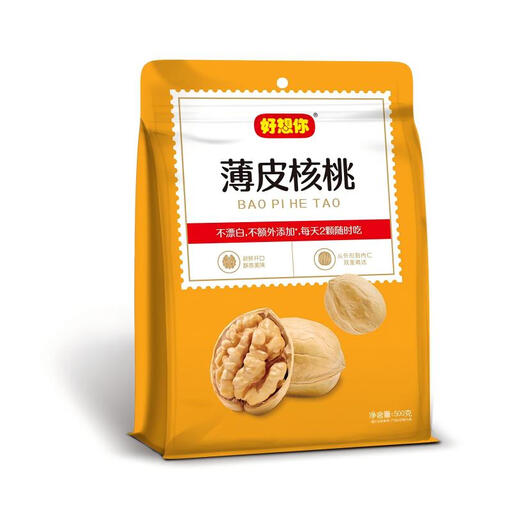 No image available
The 500g walnut pack contains eight inner packs, which may be useful if you prefer to open one at a time. Check the edible serving weight and its kcal figure when planning a small snack.
 No image available
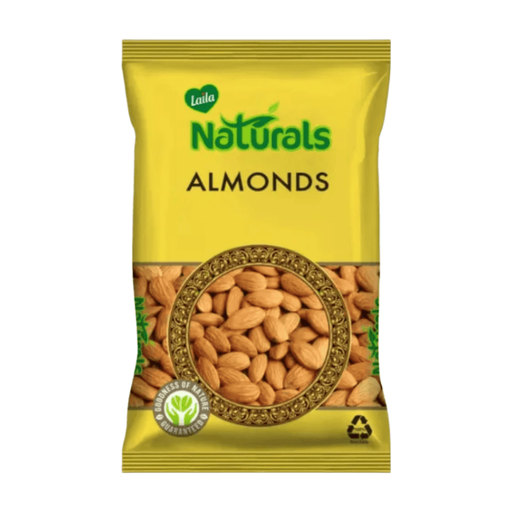
For a small midnight serving from this 500g almond pack, measure a portion instead of eating from the bag. Check the product’s current energy, ingredients and allergen information before buying.
Not by weight in the UK product listings compared here: Marks & Spencer and Tesco list figures spanning 561–662 kcal per 100g. If you choose nuts, measure a small amount rather than treating a large bag as a single snack; East Sussex Healthcare NHS Trust describes roughly 15g as a very small handful.
Use kcal per 100g to compare products on the same basis, then use the serving figure to assess the amount you plan to eat. Tesco lists 145 kcal per 25g for its salted pistachios and 185 kcal per 30g for KP Original Salted Peanuts; those serving figures describe different weights.
Yes. Check the ingredients and precautionary statements on the current pack, particularly when buying for someone with an allergy. The Food Standards Agency distinguishes peanuts from tree nuts, while the cited Marks & Spencer Almonds listing says that product is not suitable for people with a peanut or sesame allergy.