What to check before buying
Start with the school’s rules, then choose a portion and compare the nutrition information for the product you will actually pack.
| Priority |
What to check |
Your needs |
| School rules |
Read the current allergy policy and packed-lunch instructions. Check whether they address tree nuts, peanuts or particular product warnings. |
I need a snack that fits my child’s school arrangements. If I cannot confirm whether a nut product is permitted, I will choose a suitable non-nut option. |
| Portion size |
Compare the stated weight or piece count with the pack’s calories per serving. Kent Community Health NHS Foundation Trust lists 12 almonds at an average of 80 kcal, but advises checking labels for exact amounts. |
I want to pack a defined portion rather than leave the amount to chance with a large bag. |
| Nut variety |
Kent Community Health NHS Foundation Trust also lists 24 pistachios (15 g), 12 cashews, seven walnut halves and three Brazil nuts at averages of about 90–92 kcal per stated portion. These different counts are not a per-100 g ranking. |
Variety matters to me, but I can measure the particular nut I choose instead of assuming every handful is equivalent. |
| Exact product |
Check the declared serving, calories, ingredients and any front-of-pack traffic-light label. Compare plain and flavoured variants separately. |
I would rather compare the packs in front of me than rely on a range name, flavour or snack-pack format to tell me the calories. |
Brand references
These retailer and brand examples indicate formats to compare, not whether a particular pack fits a calorie allowance or a school policy.
KP
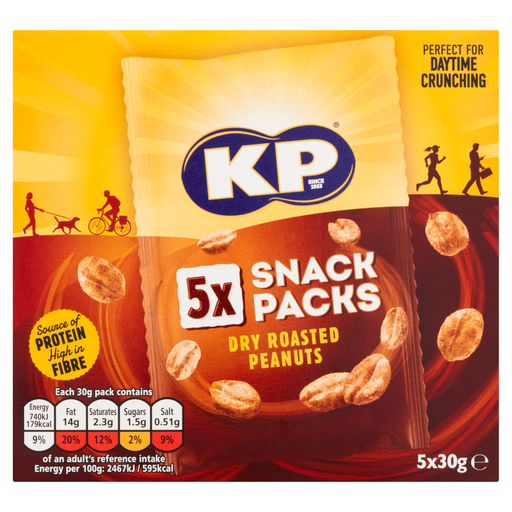
Tesco Groceries lists KP dry-roasted and salted peanuts, including dry-roasted snack packs of 5 × 30 g.
- Individual bags provide a defined pack size for comparison.
- Check the calories, ingredients and school rules for the exact variant; a snack pack is not automatically a lower-calorie portion.
Tesco
Tesco Groceries lists own-label and branded nut choices, including unsalted mixes and salted or flavoured products.
- The listed formats give shoppers several serving sizes and preparations to compare.
- Compare calories per declared serving and the ingredients of the precise product rather than treating the range as nutritionally uniform.
M&S
M&S describes Eat Well as a label for products meeting criteria developed by its nutritionists and endorsed by the British Nutrition Foundation.
- The label identifies a retailer scheme that shoppers may encounter while browsing.
- It does not establish the calories per serving or school suitability of an individual nut snack; check that product’s label and the school’s instructions.
Joybuy snack options
These options include chestnut snacks, portion-packed pumpkin seeds and peanuts. They are different products, not interchangeable portions from the NHS trust’s nut guide; check each pack’s calories and the school’s rules before putting it in a lunchbox.
 No image available
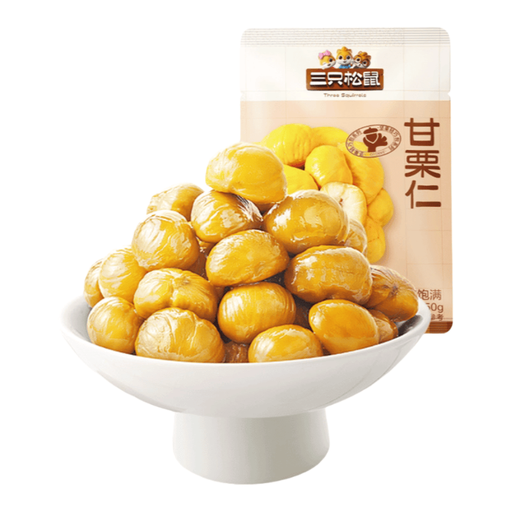
Three Squirrels Light Pack Sweet Chestnut Kernels 50 g
The 50 g pack gives you a defined amount to compare with your snack allowance. Check its calorie and ingredient information, as well as the school’s rules for this product, before packing it.
View on Joybuy
 No image available
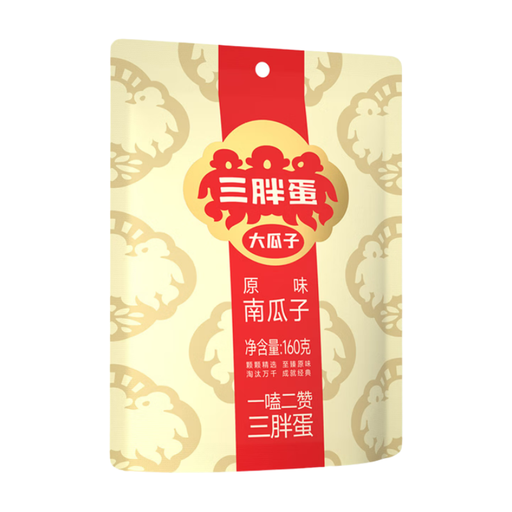
San Pang Dan Original Flavour Pumpkin Seeds 160 g (8 × 20 g)
These are seeds rather than nuts, with eight individually sized 20 g packs. Check the calories for one pack and ask whether the school permits this specific snack; a different ingredient does not override its allergy instructions.
View on Joybuy
 No image available
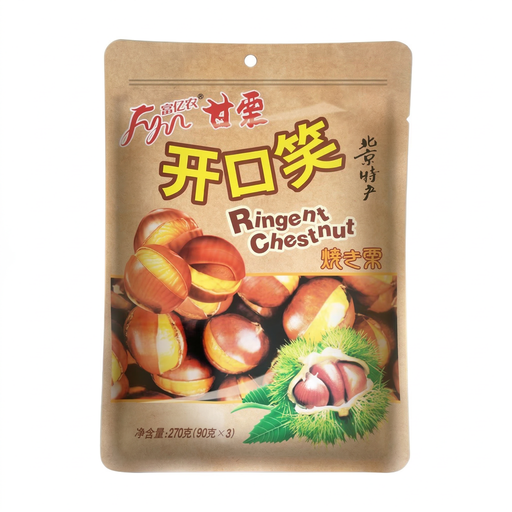
Fu Yi Nong Split-Shell Chestnuts 270 g (3 packs)
The three-pack format offers separate packs, but do not assume that one whole pack matches a portion in the NHS trust’s under-100-kcal guide. Use this product’s serving and calorie information to decide how much to pack, subject to school rules.
View on Joybuy
 No image available
KP Snacks Dry Roasted Peanuts 5 × 30 g
Each 30 g bag is a defined serving, but it should not be equated with the smaller nut portions in the NHS trust’s guide. Check this dry-roasted product’s calories and allergen statement, and confirm that the school permits peanuts.
View on Joybuy
 No image available
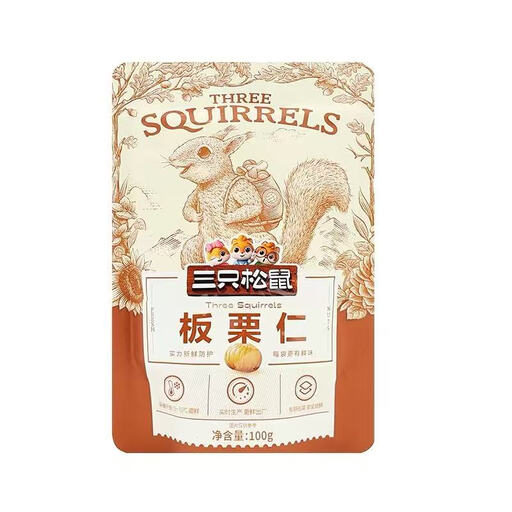
Three Squirrels Chestnut Kernels 100 g
The 100 g pack can be divided into a smaller snack portion at home. Measure the amount you plan to send and check its calories on the pack; also confirm the school’s instructions for chestnut products.
View on Joybuy
Frequently asked questions
Can I put nuts in a school packed lunch?
Check the individual school’s current allergy and packed-lunch instructions before sending them. The Department for Education’s September 2026 guidance says schools in England must publish an allergy safety policy; that does not make every nut product acceptable at every school. A small portion is not an exception to an instruction to avoid an allergen.
Which measured nut portions are listed below 100 kcal?
Kent Community Health NHS Foundation Trust lists 12 almonds at an average of 80 kcal, and 24 pistachios (15 g), 12 cashews, seven walnut halves and three Brazil nuts at averages of about 90–92 kcal for their respective portions. Check the exact product label before using those figures to plan a snack.
Are peanuts and tree nuts the same allergen?
No. The Food Standards Agency distinguishes peanuts, which are legumes, from its nuts allergen category, which includes tree nuts such as almonds and cashews. For a packed lunch, follow the school’s wording and the exact pack’s allergen information rather than assuming that distinction makes either product permissible.
How do I compare flavoured nuts with plain nuts?
Compare calories for the same stated serving amount, then check the ingredients and any front-of-pack traffic-light label on each exact product. The NHS describes traffic-light labels as a way to compare packaged snacks; a plain-nut portion figure does not establish the nutrition of a flavoured variant.


