People planning a smaller afternoon snack
If you have a calorie limit in mind, compare kcal for the amount you will actually eat. A standard serving on a nut packet may be larger than the portion you plan to have with tea.


Choose an afternoon nut snack by the calories in the amount you intend to eat, rather than by a general claim about the product. In Tesco Groceries’ three-product comparison, a 25g serving lists 145 kcal for salted pistachios, 156 kcal for plain cashews and 158 kcal for plain almonds; the pistachios also list more salt per serving. If you want a snack below 100 kcal, check a smaller portion against the current pack label.
If you have a calorie limit in mind, compare kcal for the amount you will actually eat. A standard serving on a nut packet may be larger than the portion you plan to have with tea.
Tesco Groceries lists less than 0.01g salt per 25g for its plain cashews and almonds, compared with 0.25g per 25g for its salted shelled pistachios. Check both figures before choosing between them.
When someone has a relevant allergy, the ingredients and allergen statements on the exact pack matter more than its calorie figure. Check for tree nuts, peanuts, sesame and applicable cross-contact warnings.
Decide on a portion first, then compare calories, salt and allergen information for the products you are considering.
| Priority | What to check | Your needs |
|---|---|---|
| Calories per portion | Compare kcal at the same serving weight. Tesco Groceries lists 145 kcal for salted shelled pistachios, 156 kcal for plain cashews and 158 kcal for plain almonds, each per 25g; check the current pack for the product you buy. | I want to know the calories in the portion I will eat, not just the figure per 100g. |
| Salt and seasoning | Read salt per serving alongside kcal. Tesco Groceries lists 0.25g salt per 25g for its salted shelled pistachios and less than 0.01g per 25g for its plain cashews and almonds. | If I am choosing between plain and salted nuts, salt matters to me as well as calories. |
| Portion size | Check the pack’s serving weight and measure or count the amount you plan to eat. Kent Community Health NHS Foundation Trust gives examples below 100 kcal using smaller portions, including 12 almonds at 80 kcal and 15g of pistachios at 90 kcal; figures for an exact product may differ. | For a snack below 100 kcal, I would rather portion it out than eat directly from a larger bag. |
| Allergen information | Read the current ingredients and any ‘contains’ or ‘may contain’ statements for the exact product. The Food Standards Agency distinguishes tree nuts from peanuts; check other relevant allergens and cross-contact statements too. | Before bringing nuts to a shared break, I need to know whether the product is suitable for everyone who may eat it. |
Such a claim does not describe the calories in the portion you eat. ASDA Groceries lists 179 kcal per 30g serving for KP Dry Roasted Peanuts.
Compare serving weight and kcal first; consider other listed nutrients separately.
A per-100g figure helps compare products, but it does not tell you the calories in your planned tea-break portion.
Decide how much you will eat, then use the pack’s nutrition figures to compare that amount.
Tesco Groceries’ salted shelled pistachios list fewer calories per 25g than its plain cashews and almonds, but list more salt per 25g.
Check calories and salt together if both affect your choice.
Tree nuts and peanuts are distinct allergens, and a product may carry warnings about other ingredients or cross-contact.
Check the exact pack before offering it to someone with a relevant allergy; do not use its calorie information to judge suitability.
Tesco Groceries’ product pages give serving figures for plain cashews, plain almonds and salted shelled pistachios that can be compared at 25g.
KP Dry Roasted Peanuts are a flavoured peanut option rather than a plain-nut comparison.
M&S lists natural-nut products, including a 70g cashew pack.
These chestnut and cashew products offer different pack sizes for an afternoon tea break. Check the nutrition and allergen label of the exact product, and portion larger packs according to the amount you intend to eat.
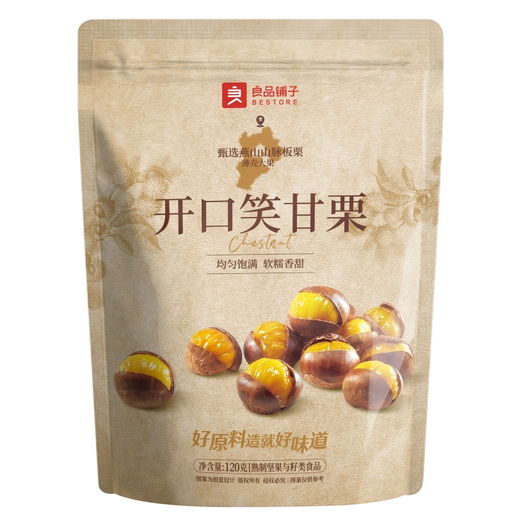 No image available
A chestnut option for an afternoon break. The 120g bag needs portioning if you plan to eat less than the full pack; check its label for calories per portion.
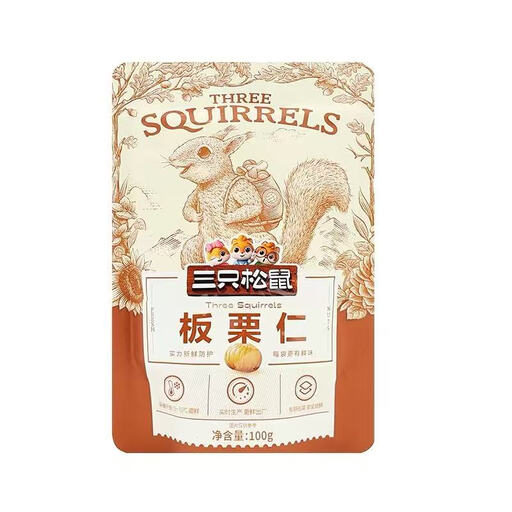 No image available
For a measured chestnut snack, portion the 100g pack before your break. Use the exact product label to work out the calories in the amount you choose.
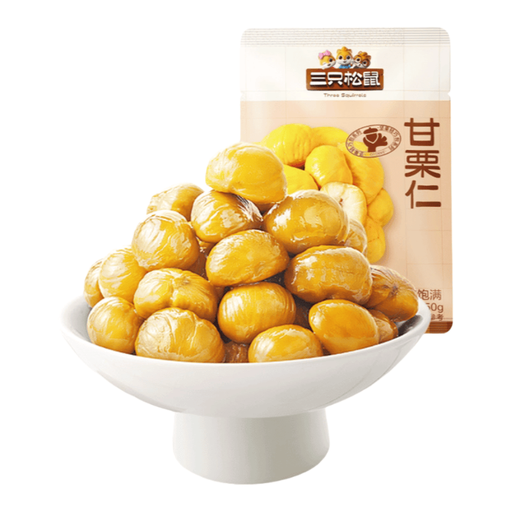 No image available
The 50 g pack gives you a defined pack size for a tea-break snack. Check the label’s calorie figure before treating the whole pack as one serving.
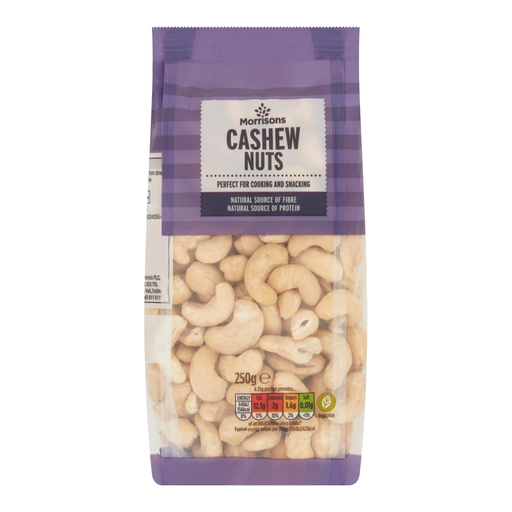 No image available
If you prefer cashews, measure a serving from the 250g pack rather than using the pack size as a snack portion. Compare its own calorie and salt figures with other products’ labels.
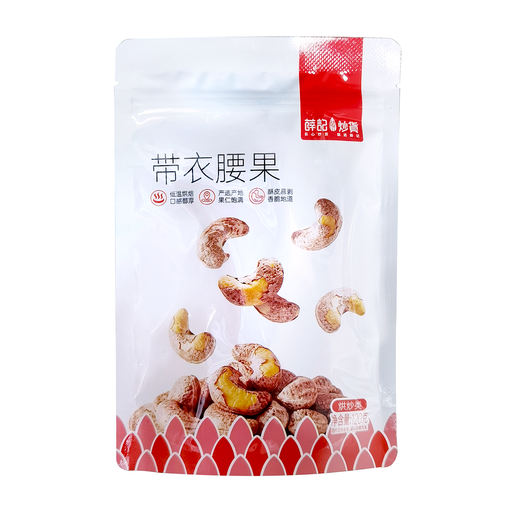 No image available
This is a salted cashew option in a 120g pack. Measure the portion you intend to eat and check both kcal and salt on its label before comparing it with other cashews.
No. The calories depend on the product and the amount eaten: Tesco Groceries lists 145–158 kcal per 25g across its salted shelled pistachios, plain cashews and plain almonds. Kent Community Health NHS Foundation Trust gives examples below 100 kcal using smaller amounts, so check the label for your chosen product and portion.
Not on calories alone if salt also matters to you. Tesco Groceries lists 145 kcal and 0.25g salt per 25g for its salted shelled pistachios, while its plain cashews and almonds list 156 kcal and 158 kcal respectively, each with less than 0.01g salt per 25g.
Start with the serving weight and calories, then check salt and the ingredients and allergen statements. GOV.UK explains that traffic-light labelling can help compare nutrition information at a glance; use the current pack for the exact product you intend to eat.
No. The Food Standards Agency distinguishes tree nuts from peanuts, but an individual product may also carry cross-contact warnings. Check the current pack’s ingredients and allergen statements for the person’s relevant allergens before offering it.