Calorie-aware lunch packers
If cheese, bread and accompaniments are already in your ploughman’s lunch, use the whole-bar calorie figure to decide whether a bar fits as another component. A low-sugar claim does not answer that question.


For a ploughman’s lunch, compare calories for the whole bar before choosing by a low-sugar or high-protein claim. Manufacturer figures put Barebells Banana Choco at 138 kcal and 10 g protein per 40 g bar, while Grenade Peanut Nutter provides 218 kcal and 20 g protein per 60 g bar: a smaller bar may suit an add-on, whereas the larger protein contribution needs more room in the lunch’s calorie plan. Check the current pack’s serving size and allergens, particularly if changing flavour.
If cheese, bread and accompaniments are already in your ploughman’s lunch, use the whole-bar calorie figure to decide whether a bar fits as another component. A low-sugar claim does not answer that question.
If the bar’s protein amount matters more to your choice, compare grams of protein alongside calories. A full-size bar can add more protein than a smaller example, but it also needs to fit the rest of your lunch.
Check the exact flavour’s ingredients, highlighted allergens and precautionary statements. For example, Grenade lists milk, soy and peanuts for Peanut Nutter, while Barebells advises checking each product’s allergen label.
Start with the bar’s whole-serving figures, then decide what role it will play alongside the cheese, bread and other lunch foods.
| Priority | What to check | Your needs |
|---|---|---|
| Whole-bar calories | Check kcal for the complete bar, not just per 100 g or a smaller stated serving. Compare that figure with the other lunch components. | I’m adding a bar to cheese and bread, so I want to know its full contribution to my lunch. |
| Protein amount | Read protein grams and kcal on the same per-bar basis. Barebells states 10 g protein and 138 kcal for its 40 g Banana Choco bar; Grenade states 20 g and 218 kcal for its 60 g Peanut Nutter bar. | If protein is my main reason for adding a bar, I can compare the extra protein with the calories it brings. |
| Portion and flavour | Check bar size, pack size and the nutrition panel for the flavour you intend to eat. Do not assume another flavour has the same figures. | For a packed lunch, I want a portion I can carry and include without mistaking a multipack’s details for one bar’s serving. |
| Ingredients and allergens | Read the current ingredients, highlighted allergens and any precautionary statements for the exact product. Check dietary suitability on that pack. | When I change brands or flavours, I need to know whether that specific bar meets my dietary requirements. |
Sugar and energy are different label figures. Grenade lists 218 kcal per Peanut Nutter bar despite marketing it as a low-sugar product.
Compare kcal for the whole bar first; then consider sugar, protein and ingredients if they matter to your choice.
In the manufacturer examples, the 20 g-protein Grenade Peanut Nutter bar has more calories per bar than the smaller Barebells Banana Choco and Myprotein Peanut Butter bars, which provide 10 g and 8 g protein respectively.
Decide whether you want a smaller sweet addition or a larger protein contribution, then compare both figures per bar.
Grenade’s Peanut Nutter ingredients include milk, soy and peanuts. An ingredient list for one bar cannot establish the contents of another flavour.
Read the current pack’s ingredients, highlighted allergens and precautionary statements whenever you switch products.
A retailer’s protein-bar category helps you find options, but its assortment and offers can change by date or location.
Use the exact product page or pack to check the flavour, nutrition information and availability before choosing.
These examples illustrate different bar formats and places to compare them; a brand name alone does not establish a bar’s calories or suitability.
Barebells offers several bar formats. Its Banana Choco chewy bar is listed by the manufacturer at 138 kcal and 10 g protein per 40 g bar.
Myprotein sells bars in several formats. Its Peanut Butter Protein Bar lists 193 kcal and 8 g protein per 38 g bar on the UK product page.
Grenade’s Peanut Nutter is a full-size example listed at 218 kcal and 20 g protein per 60 g bar.
PhD lists a 32 g Smart Bar Half Size at 131 kcal and 10 g protein per serving on its EU store page.
Quest describes protein bars with 20 g protein on its official US-facing range page.
Tesco is a retailer, not a protein-bar manufacturer. Its grocery category lists bars from multiple brands.
These multipacks offer bar formats to consider as additions to a ploughman’s lunch, including smaller bars and a full-size option. Check the current pack’s per-bar calories, protein and allergens against what else you plan to eat.
 No image available
For a lunch add-on, compare the energy and protein for one 50 g bar with the rest of your meal. This is a 12-bar pack; check the current label for ingredients and allergens.
 No image available
The 40 g bar size is a portion to assess alongside cheese, bread and accompaniments. This pack contains four bars; check per-bar nutrition and the current allergen label before choosing it.
 No image available
If you are considering a larger bar for its protein contribution, compare both protein and kcal per 60 g bar rather than choosing by the low-sugar wording alone. The pack contains four bars; read the exact flavour’s allergen label.
 No image available
This four-pack provides 40 g bars that can be considered as a separate lunch component. Use the current per-bar nutrition panel to assess the portion, and check the nut and other allergen information on the pack.
 No image available
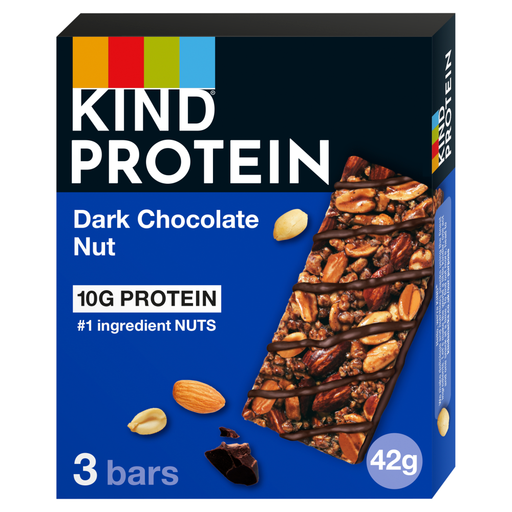
For a portable addition to lunch, compare the energy and protein for one 42 g bar rather than the three-bar pack. Check the current ingredient and allergen information if nuts or other ingredients affect your choice.
Use kcal for the entire bar and consider it alongside the cheese, bread and accompaniments you intend to eat. Manufacturer figures for three distinct examples are 138 kcal for a 40 g Barebells Banana Choco bar, 193 kcal for a 38 g Myprotein Peanut Butter bar and 218 kcal for a 60 g Grenade Peanut Nutter bar; those figures are not a calorie threshold for all protein bars.
No: sugar and energy are different figures. Grenade markets Peanut Nutter as low sugar but lists 218 kcal per bar, so check the whole-bar kcal figure if calories are guiding your lunch choice.
Choose by the role you want the bar to play in lunch, comparing protein and calories on the same per-bar basis. Barebells lists 10 g protein and 138 kcal for Banana Choco, while Grenade lists 20 g protein and 218 kcal for Peanut Nutter; neither figure describes every bar from those brands.
Yes. Read the current ingredients, highlighted allergens and precautionary statements for the exact flavour and pack: Grenade’s Peanut Nutter ingredients include milk, soy and peanuts, and Barebells advises checking individual product allergen labels.