What should you compare?
For a morning tea break, compare the ready-to-eat bar first, rather than judging a pack by its front-of-pack description or a per-100 g figure alone.
| Priority |
What to check |
Your needs |
| Calories per bar |
Read the energy figure for one complete bar and note its weight. Myprotein lists 152 kcal per 45 g Lean Protein Bar; Barebells lists 202 kcal per 55 g Vegan Fudge Brownie bar. |
I want to know what the whole snack contributes to my own calorie target, not just what its pack calls it. |
| Protein alongside calories |
Compare grams of protein and calories for the same serving. Tesco lists 20.6 g protein and 222 kcal per 60 g Active Chocolate Peanut Caramel bar; PhD lists 21 g protein and 238 calories for its Smart Bar. |
If protein is my main reason for choosing a bar, I can decide whether a higher calorie figure works for this tea break. |
| Sugars and polyols |
Check sugars, ingredients and any excessive-consumption warning on the exact product. Tesco lists 12 g polyols per Active Chocolate Peanut Caramel bar; Myprotein and Barebells also carry laxative-effect warnings for excessive consumption. |
A low-sugar claim alone does not tell me the bar’s calories or whether its ingredients suit repeat snacking. |
| Dietary suitability |
Read the full ingredients and allergen statements, including ‘may contain’ wording. Myprotein says its Lean Protein Bar is not suitable for vegetarians; Barebells lists wheat and soya in its Vegan Fudge Brownie bar. |
Before switching flavours or brands, I need to check the particular pack against my dietary requirements. |
Brand and product-line references
These named bars illustrate different label comparisons; a brand name alone does not establish the nutrition or suitability of every flavour in its range.
Myprotein
Its Lean Protein Bar provides a named example for comparing whole-bar calories with protein.
- Myprotein lists 152 kcal, 18 g protein and 5.7 g fibre for the 45 g Lean Protein Bar nutrition panel.
- The manufacturer says the bar is not suitable for vegetarians and warns that excessive consumption may have a laxative effect. Check the chosen flavour’s label.
Grenade
Its Salted Caramel bar is a chocolate-style option with disclosed protein and sugar figures.
- Grenade lists 20 g protein and 1.4 g sugar for its Salted Caramel bar.
- A sugar figure cannot stand in for calories per bar. Grenade also gives allergen and excessive-consumption warnings for this product.
PhD
The Smart Bar is relevant when protein per bar matters alongside the calorie figure.
- PhD lists 21 g protein, 1 g sugar and 238 calories for its featured Smart Bar.
- Check the precise bar and flavour rather than applying these figures across the range.
Barebells
Its Vegan Fudge Brownie bar provides a plant-based-labelled option to assess by the complete bar.
- Barebells lists 202 kcal and 15 g protein per 55 g Vegan Fudge Brownie bar.
- The bar contains wheat and soya and carries an excessive-consumption warning; check its full allergen statement.
Tesco Active
The Chocolate Peanut Caramel bar is a supermarket example with whole-bar nutrition figures.
- Tesco lists 222 kcal and 20.6 g protein per 60 g bar.
- Tesco’s label marks its 5.4 g saturated fat per bar as high. Check the ingredients and current availability for the specific product.
Quest
Quest makes protein bars, but a brand-wide description is not a nutrition panel for a particular UK pack.
- Its range gives shoppers another set of exact flavours and pack labels to compare.
- Check the UK seller and the chosen bar’s serving size, calories and ingredients before comparing it with the named products above.
Protein-bar options on Joybuy
These packaged bars and flapjacks are options to consider for a morning tea break. Compare the nutrition and ingredients on the exact pack: the selection includes different bar types and multipack sizes.
 No image available
Grenade Soft Core Double Chocolate Protein Bar, 12 × 50 g
For a packaged tea-break bar, compare the calories and protein for one 50 g bar rather than the twelve-bar pack. Check the Double Chocolate ingredients and any polyol or allergen warning on the pack.
Joybuy
 No image available
Nature Valley Protein Salted Caramel Nut Bars, 4 × 40 g
This four-bar pack offers a nut-bar format for taking one bar to a tea break. Compare nutrition per 40 g bar with larger protein bars, and read the nut and other allergen statements before choosing it.
Joybuy
 No image available
Grenade Oreo Flavour Protein Bar, 4 × 60 g
If protein is your main reason for considering a tea-break bar, compare the nutrition for one 60 g Oreo Flavour bar, including its calories, rather than relying on the low-sugar wording. Check its allergen and polyol information too.
Joybuy
 No image available
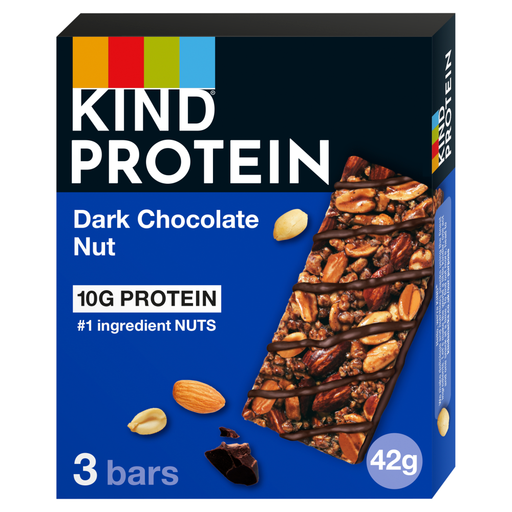
KIND Protein Dark Chocolate Nut Bars, 3 × 42 g
Consider this nut-bar format if you prefer it for a packaged tea break. Read the calories and protein per 42 g bar before comparing it with other protein-labelled products, and check the nut allergen statement.
Joybuy
 No image available
Trek Salted Caramel Protein Flapjacks, 3 × 50 g
A flapjack is another packaged option for a morning break, but its name does not establish that it meets a calorie or protein target. Compare the figures for one 50 g flapjack and check the exact pack’s dietary and allergen labelling.
Joybuy
Questions about protein bars
How do I judge whether a protein bar fits a lower-calorie tea break?
Compare the calories in the entire bar with your own target, then look at its protein and portion size. For context rather than a universal cutoff, Myprotein lists 152 kcal for a 45 g Lean Protein Bar, while PhD lists 238 calories for its featured Smart Bar.
Does low sugar mean low calories?
No: the two figures measure different things. PhD lists 1 g sugar and 238 calories for its Smart Bar; Myprotein lists 1.2 g sugars and 152 kcal for its 45 g Lean Protein Bar. Read energy per bar as well as sugars.
What should I check if I have an allergy or avoid certain ingredients?
Read the full ingredients and ‘may contain’ statement on the exact flavour and pack before choosing it. For example, Barebells lists wheat and soya in its Vegan Fudge Brownie bar; vegan labelling does not make that bar free from those allergens.
Why do some bars carry a laxative-effect warning?
Myprotein, Grenade and Barebells warn that excessive consumption of their named products may have laxative effects. If you are considering bars regularly, check the chosen product’s ingredients, polyol information and pack warning rather than assuming all low-sugar recipes are alike.


