Leisure cyclists and commuters
If the bar is an everyday snack rather than planned ride fuel, compare the calories in the portion you will eat and check whether its size suits the occasion.


A lower-calorie bar can make sense as a portable snack for an easy ride or commute, but calories alone are a poor way to choose food for a longer or harder ride. The British Dietetic Association identifies carbohydrate as a main fuel source for exercising muscles, so compare carbohydrate as well as kcal per portion when choosing a bar to eat on the bike; a protein-led bar may serve a different, between-meal or post-ride purpose.
If the bar is an everyday snack rather than planned ride fuel, compare the calories in the portion you will eat and check whether its size suits the occasion.
If you intend to eat the bar during a demanding ride, check its carbohydrate per portion instead of selecting it for a lower calorie figure alone. Also consider whether you can comfortably carry and eat it while riding.
If you want a bar after a ride or between meals, protein and fibre may be useful comparison points. Check them alongside calories, carbohydrate and the exact product’s ingredients.
Start with when you plan to eat the bar, then compare like-for-like nutrition figures and check whether its ingredients suit you.
| Priority | What to check | Your needs |
|---|---|---|
| Ride fuel | Check carbohydrate and kcal for the portion you would eat. For a longer or harder ride, consider whether a solid bar is practical to eat on the bike. | For a demanding ride, I want to know how much carbohydrate the bar provides, not just whether its calorie figure looks small. The British Dietetic Association identifies carbohydrate as a main fuel source for exercising muscles. |
| Portion comparison | Compare kcal per bar or pack portion, then kcal per 100g across different sizes. Review carbohydrate, sugars, fat, protein and salt on the same basis. | For a commute or an ordinary snack, I want to compare the amount I would actually eat without mistaking a smaller bar for a like-for-like nutritional difference. The NHS explains that nutrition information is given per 100g and sometimes per portion. |
| Snack purpose | Check whether the bar is more carbohydrate-led or protein-led; compare the figures using their stated serving sizes. Nature Valley UK lists 27.0g carbohydrate for its Crunchy Oats & Honey twin portion and around 10g protein and 4g fibre for a 40g Protein Peanut & Chocolate bar. | After a ride, I may be looking for a protein-and-fibre snack. If I need carbohydrate to eat during the ride, I will compare that figure directly rather than treating the two bar formats as interchangeable. |
| Ingredients | Read the current pack’s ingredients, highlighted allergens and any ‘may contain’ statement for the exact variant. | If I need to avoid a particular ingredient, the bar’s calorie count cannot tell me whether I can eat it. I need to check the individual product, even if I have bought another bar from the same brand. |
A sugar claim does not tell you the bar’s total carbohydrate or how much of it you would eat. Carbohydrate matters when you are choosing food for a demanding ride.
Check carbohydrate per portion alongside kcal, and decide whether the bar is for ordinary snacking or for eating during the ride.
Bars and twin packs can have different stated portion sizes, making their per-portion figures difficult to compare on their own.
Use the per-100g nutrition panels for a like-for-like comparison, then return to the per-portion figure for the amount you plan to eat. The NHS explains the distinction between these label formats.
Bars with different nutritional profiles need not serve the same purpose. Nature Valley UK lists 27.0g carbohydrate for its Crunchy Oats & Honey twin portion, while its Protein Peanut & Chocolate bar is described as providing around 10g protein and 4g fibre per 40g bar.
For food you plan to eat on the bike, check carbohydrate in the exact portion. For a post-ride or between-meal snack, compare the protein and fibre figures as well.
An oat-based appearance or familiar brand name does not establish whether a particular bar suits an allergy or dietary restriction.
Read the ingredients and ‘may contain’ wording on the current pack of the exact bar before eating it.
Nature Valley UK lists several bar formats, including Crunchy and Protein products. Compare individual variants rather than assuming they have the same nutritional purpose.
Graze includes Oat Boost flapjacks among its snacks. A brand-level sugar claim is not a calorie or ride-fuelling figure for every bar.
Alpen is a familiar name in muesli, but an older mention of an Alpen bar does not establish that the same variant is currently made.
These bars cover oat-based, everyday-snack and protein-led formats. Their pack sizes and purposes differ, so compare the nutrition panel of the exact variant before deciding what to take on a ride.
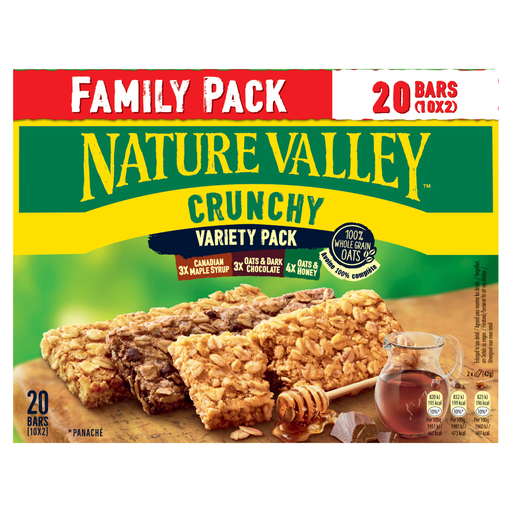 No image available
A variety pack to consider if you want individually portioned crunchy bars for rides or everyday snacks. Check each included flavour’s carbohydrate, kcal and allergen information rather than applying figures from a single Nature Valley variant to the whole pack.
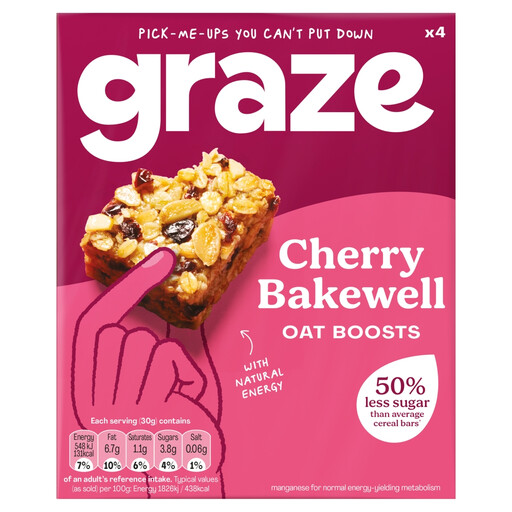 No image available
This 30g oat-bar format may be convenient when you want a small snack for a commute or an easy ride. Compare its kcal and carbohydrate per bar with any larger portion you would otherwise eat; check the Cherry Bakewell pack for allergens.
 No image available
A protein-led option to compare for a post-ride or between-meal snack, rather than choosing it solely by its name for on-bike fuel. Nature Valley UK describes a 40g Peanut & Chocolate bar as providing around 10g protein and 4g fibre. Check the pack’s carbohydrate figure and its peanut, soya and milk allergen information.
 No image available
The 21.5g bar size is worth considering when you want a small everyday snack. Check kcal and carbohydrate per bar as well as per 100g before comparing it with larger bars, and read the exact pack’s allergen statement.
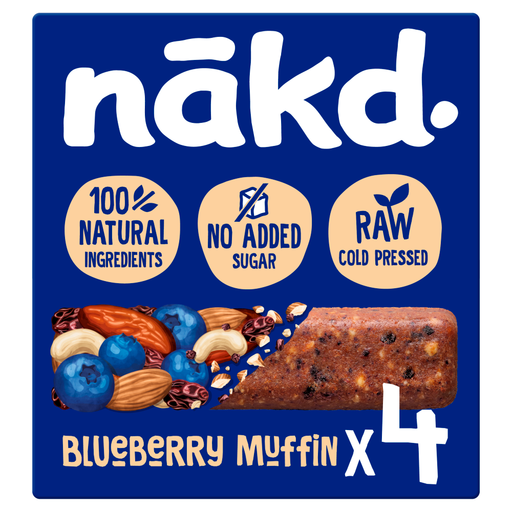 No image available
A fruit-and-nut bar format to compare with oat or cereal bars for ordinary snacking or carrying on a ride. Check kcal, carbohydrate and sugars for the 35g bar, along with the current pack’s nut and other allergen information.
No single calorie figure makes a bar suitable for every ride. For an easy ride or commute, you may be choosing an ordinary snack; for a longer or harder session, compare carbohydrate per portion with your intended use. The British Dietetic Association identifies carbohydrate as a main fuel source for exercising muscles.
Compare carbohydrate, sugars, fat, protein and salt, and fibre where shown. Use per-100g figures to compare differently sized bars, then per-portion figures to understand what you would eat; the NHS explains that nutrition labels provide per-100g information and sometimes per-portion information.
Not automatically: choose according to the carbohydrate in the portion and when you plan to eat it. Nature Valley UK lists 27.0g carbohydrate for its Crunchy Oats & Honey twin portion, while it describes its 40g Protein Peanut & Chocolate bar as providing around 10g protein and 4g fibre. Those are different products and serving sizes, not interchangeable nutrition figures.
No. Ingredients and ‘may contain’ warnings depend on the exact variant: the cited Nature Valley Protein Peanut & Chocolate product includes peanut, soya and milk, while its Crunchy Oats & Honey product has different ingredient and cross-contact considerations. Read the current pack before eating either bar.