Start with the kcal for the whole bar a guest will take, then compare sugars, saturates and ingredients rather than relying on claims such as “no added sugar”. A smaller bar may have fewer kcal per portion without having fewer per 100 g; protein and fruit-and-nut bars can meet different preferences, but their labels and allergens still need checking. For a mixed guest list, keep each bar’s wrapper available so guests can identify the exact product.
Who is choosing the bars?
The useful comparison depends on whether your guests chiefly need smaller portions, clearly identified ingredients or a particular bar format.
Hosts setting out smaller portions
If guests will pick up one bar at a time, compare the kcal for that whole bar. Check its weight and the per-100 g figures as well: a smaller portion can have a lower per-bar figure without being lower in kcal per 100 g.
Hosts serving guests with different dietary requirements
Keep distinct bars in their wrappers and check each flavour’s ingredients and precautionary allergen statements. Vegan or gluten-free wording does not tell a guest whether a bar contains nuts, peanuts, soya or milk.
Guests looking for a protein bar
If protein content matters more to a guest than the smallest kcal figure, compare protein, fibre and kcal for the same stated serving. Nature Valley UK lists 10.2 g protein and 196 kcal per 40 g Peanut & Chocolate bar; its ingredient information also identifies peanut, soya and milk.
What should you compare?
Read the whole-bar figures for the portion being served, then use the per-100 g panel when bar weights differ. Ingredients and allergen statements matter separately from the nutrition figures.
| Priority |
What to check |
Your needs |
| Portion and kcal |
Compare kcal and weight per whole bar. Use kcal per 100 g to compare differently sized bars on the same basis; do not treat the smaller per-bar number as a comparison of equal weights. |
I want guests to see the kcal in the bar they actually take. In a Food Standards Agency and Ipsos Northern Ireland survey of 611 people conducted from September to November 2024, 49% said they actively used traffic-light labels when shopping for food; that figure measures label use, not snack-bar preferences. |
| Sugars and saturates |
Read total sugars and saturates for the stated serving, alongside any traffic-light label. “No added sugar” does not mean that the total sugars figure is zero. |
A fruit bar or coated bar may appeal to my guests, but I still want to compare what its label declares. Tesco Groceries lists 17 g total sugars per 35 g Nakd Berry Delight bar, despite its no-added-sugar description. |
| Ingredients and allergens |
Check the exact flavour’s ingredients and “may contain” statements. Keep its wrapper with the bar so guests can check it for themselves. |
Some guests need to avoid particular ingredients, so I cannot use vegan or gluten-free wording as an allergy check. Separate wrapped choices are easier to identify than unwrapped bars mixed in one bowl. |
| Protein and fibre |
Compare protein, fibre and kcal using the same stated serving. Check allergens before adding a protein bar to a shared selection. |
For a guest specifically seeking a protein bar, I would consider its protein figure alongside its portion size. Tesco Groceries lists 12 g protein, 12 g fibre and 159 kcal per 44 g TREK Choc Caramel bar; it also identifies peanut and soya ingredients. |
Common buying mistakes
-
Choosing by “no added sugar” wording alone
The phrase does not describe total sugars or kcal. Tesco Groceries lists 17 g total sugars and 133 kcal per 35 g Nakd Berry Delight bar.
Compare the sugars line, kcal and bar weight on the exact pack before choosing a multipack.
-
Assuming a protein bar has fewer kcal
Protein content answers a different question from portion energy. The stated bars compared here include a 159 kcal TREK protein bar on Tesco Groceries and a 196 kcal Nature Valley protein bar on Nature Valley UK’s product information.
Choose a protein bar when its stated protein content matters to the guest, and check its kcal per bar separately.
-
Using dietary labels as an allergen shortcut
Products described as vegan or gluten-free can still contain other allergens. The product information for the bars discussed here identifies ingredients including cashew, peanut, soya, milk and almonds, depending on the bar.
Ask allergy-affected guests which exact products are suitable for them. Keep wrappers accessible and avoid a mixed open bowl where contact between bars is a concern.
-
Relying on an old Alpen bar listing
Alpen Muesli’s FAQ identifies several former bar varieties, including Alpen Light Bars Chocolate & Orange, as no longer made. An older listing may therefore describe a former product rather than the bar in front of you.
Use the current pack’s product name, ingredients and nutrition panel when making a party selection.
Brand and product-line references
These examples show why the exact bar and serving size matter more than a brand name alone; they do not describe every product in each range.
Graze
A reference for smaller oat-bar portions: Tesco Groceries lists Graze Cocoa Vanilla Oat Boosts at 116 kcal per 30 g serving.
- The retailer lists 2.7 g sugars per serving and describes this product as suitable for vegans.
- Check the exact pack’s ingredients and allergen information before offering it to guests. Graze’s statements about its own nutrition thresholds are brand claims, not a comparison with other bars.
Nakd
A fruit-and-nut reference for comparing front-of-pack wording with the nutrition panel.
- Tesco Groceries lists Nakd Berry Delight at 133 kcal per 35 g bar and describes it as vegan, gluten-free and dairy-free.
- The same product lists 17 g total sugars per bar, contains cashew and has precautionary statements for soya, peanuts and other nuts.
TREK
A protein-bar reference when a guest wants to compare protein and fibre as well as kcal.
- Tesco Groceries lists 12 g protein, 12 g fibre and 159 kcal per 44 g TREK Choc Caramel bar.
- Its product information identifies peanut and soya ingredients and precautionary statements for other allergens; check the exact pack.
Nature Valley
A protein-bar reference with a larger stated kcal figure than the smaller Graze example.
- Nature Valley UK lists 10.2 g protein and 4.4 g fibre per 40 g Peanut & Chocolate bar.
- The manufacturer lists 196 kcal per bar and identifies peanut, soya and milk ingredients.
Eat Natural
A reference for comparing a yoghurt-coated fruit-and-nut bar with other individual portions.
- Eat Natural UK lists 190 kcal per 40 g Almond & Apricot Yoghurt Cereal Bar.
- The same bar lists 12.5 g sugars and 7.5 g saturates per serving, contains milk and almonds, and may contain other nuts, peanuts and soya.
Alpen
A name to check at product level rather than relying on an older bar listing.
- Alpen Muesli’s FAQ says several former bar varieties are no longer made, including Alpen Light Bars Chocolate & Orange. Check a current pack before using older nutrition details.
Joybuy snack bar options
These Joybuy options include fruit-and-nut, cereal and protein bars for a garden-party selection. Check each product’s current pack for kcal, nutrition details and allergens before deciding what to serve; figures for a different flavour or pack should not be carried across.
 No image available
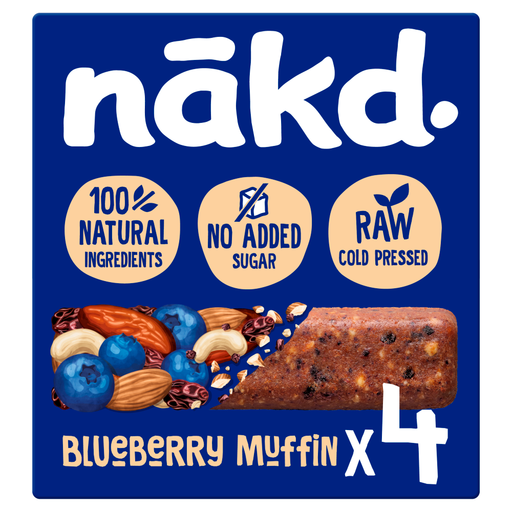
Nakd Blueberry Muffin Raw Fruit & Nut Bars, 4 × 35 g
A fruit-and-nut option in 35 g bars. Check the Blueberry Muffin pack’s own sugars, kcal and nut information rather than using figures for Nakd Berry Delight, which is a different product.
View on Joybuy
 No image available
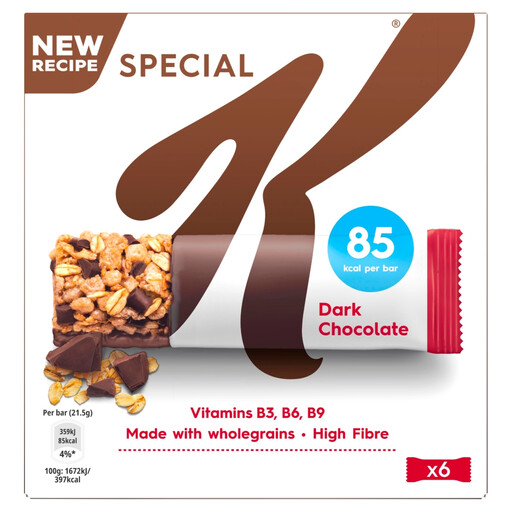
Special K Dark Chocolate Snacks, 6 × 21.5 g
A smaller cereal-snack portion for a table offering more than one bar size. Compare the kcal for one 21.5 g snack with other whole-bar figures, then check the pack’s ingredients for each guest’s requirements.
View on Joybuy
 No image available
Nature Valley Protein Peanut & Chocolate Bars, 4 × 40 g
A 40 g protein-bar option for guests interested in that format. Nature Valley UK lists protein and fibre figures for its Peanut & Chocolate bar, but check this pack’s nutrition panel for the serving being offered. The manufacturer identifies peanut, soya and milk ingredients.
View on Joybuy
 No image available
Grenade Soft Core Double Chocolate Protein Bars, 12 × 50 g
A Double Chocolate protein-bar option in 50 g bars. Compare its current per-bar kcal, protein and sugars with the other portions on the table, and check the pack’s ingredient and allergen statements before serving.
View on Joybuy
 No image available
Grenade Soft Core Golden Caramel Protein Bars, 12 × 50 g
A Golden Caramel alternative in the same 50 g bar format. Check this flavour’s own kcal, sugars, protein and allergens: a shared range name does not make two flavours’ nutrition or ingredients interchangeable.
View on Joybuy
Garden-party snack bar questions
How can I compare kcal when snack bars are different sizes?
Use kcal per whole bar to judge the portion a guest will take, then compare kcal per 100 g to see how differently sized bars compare at the same weight. Neither figure replaces a check of sugars, saturates and ingredients when those matter to your selection.
Does “no added sugar” mean a bar has little sugar or fewer kcal?
No. Tesco Groceries lists 17 g total sugars and 133 kcal per 35 g Nakd Berry Delight bar despite its no-added-sugar description. Read the total sugars and kcal for the exact bar rather than treating that phrase as a nutrition comparison.
Can vegan or gluten-free bars go in a shared bowl for guests with allergies?
Do not use those descriptions alone to decide allergy suitability. Product information for the bars discussed here identifies nuts, peanuts, soya or milk in particular products, as well as precautionary statements. Check each exact pack with affected guests, keep wrappers available and separate bars where contact between products is a concern.


