Hosts planning individual portions
Compare the kcal in one wrapped unit with the kcal in the amount you intend to put out. A twin-wrapped pack and a single small bar are not equivalent portions.


For a Halloween party, compare the calories in the portion guests will actually take, then check sugars, saturated fat and allergens for that same portion. A small oat bar may suit portion-conscious serving, while a protein bar suits a different preference; neither its name nor a “no added sugar” claim establishes that it is lower in calories or suitable for every guest.
The useful starting point depends on whether portion size, a guest’s dietary requirements or protein content matters most to your party.
Compare the kcal in one wrapped unit with the kcal in the amount you intend to put out. A twin-wrapped pack and a single small bar are not equivalent portions.
Check the current ingredients and allergen statements for each flavour. A vegan, oat-based or fruit-and-nut bar does not, by that description alone, meet every guest’s requirements.
Compare protein alongside kcal per bar if protein is a priority. The Eat Natural and nākd protein-bar examples have different portion sizes and calorie values, so the word “protein” cannot settle a lower-calorie choice.
Decide what counts as one party portion before comparing labels. Then screen each shortlisted flavour against guests’ dietary needs.
| Priority | What to check | Your needs |
|---|---|---|
| Portion and calories | Check kcal for the wrapped unit and the labelled serving. Note whether a serving is one bar or two; use per 100 g figures for a like-for-like label comparison. | I want to know how much each guest is likely to take, rather than compare a single bar with a twin pack as though they were the same portion. |
| Sugars and saturated fat | Read sugars and saturated fat both per 100 g and per serving. Check the nutrition panel even when the front of the pack highlights protein, fibre or no added sugar. | A nutrition claim catches my eye, but I want to compare the amounts in the portion I will serve. |
| Allergens and dietary requirements | Read the current ingredient list and may-contain statement for every flavour. Check a vegan or gluten-free claim separately from nut and other allergen warnings. | Guests may have different requirements, so I need to keep the labelled wrappers available and check suitable options individually. |
| Protein preference | Compare grams of protein and kcal for the same stated portion. Check sugars and allergens as well; protein content does not establish a lower-calorie bar. | If I include a protein bar, I want it to reflect a guest preference rather than assume it is the lighter option. |
Nature Valley lists two Crunchy Oats & Honey bars as a 42 g serving with 196 kcal, according to its UK product label. That is a different amount to one 30 g oat boost.
Decide how many wrapped bars count as one party portion, then compare kcal for that amount.
Protein, fibre and no-added-sugar wording describes particular attributes, not the bar’s complete nutrition profile. For example, Tesco lists 13 g sugars per 45 g nākd Peanut Butter Protein bar.
Check kcal, sugars and saturated fat on the label alongside the claim, using the same serving basis for each product.
Fruit-and-nut and oat bars can have ingredients or may-contain warnings that matter to guests with allergies. A vegan claim does not mean nut-free.
Check every current wrapper, keep the wrappers at the serving table and confirm a separate option against the relevant guest’s requirements.
Alpen’s UK FAQ says several former bar lines, including Alpen Light Bars, are no longer made. An older mention of that range is not a current pack label.
Confirm the exact product and its current nutrition and ingredient information before adding it to the party selection.
These brand examples illustrate different portion formats and label checks; the figures apply to the named products, not every bar in a range.
An oat-bar option when a 30 g portion suits the party plan.
Crunchy oat twin packs and a separate protein-bar range call for different label comparisons.
A name to check carefully if an older snack-bar suggestion appears on a party shopping list.
A protein-bar example for guests who specifically want that format.
The brand describes its bars as plant-based and gluten-, wheat- and dairy-free; check the exact flavour for other requirements.
A flapjack format to compare by its full 50 g portion rather than by the protein wording alone.
These oat, cereal, protein-bar and flapjack multipacks offer different portion formats for a Halloween party. Compare the exact flavour’s current pack label before deciding what to serve.
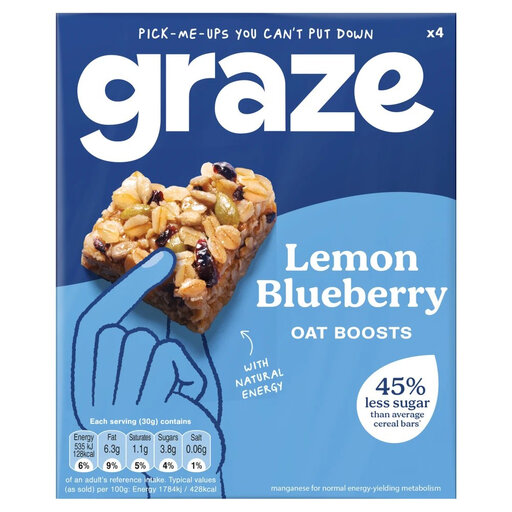 No image available
The 30 g bar format makes it straightforward to plan individual portions. Check this Lemon Blueberry flavour’s kcal, sugars, ingredients and allergen warnings on the current pack; figures for Cocoa Vanilla Oat Boosts do not describe this flavour.
 No image available
Consider this 50 g bar format if guests want a protein bar, while comparing kcal and sugars for one bar rather than judging it by the protein description. Check the current wrapper for milk, soya and other allergen information.
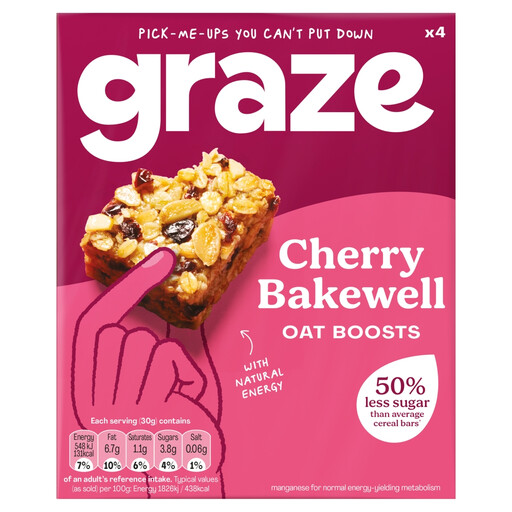 No image available
Another 30 g oat-bar format for planning individual portions. Check this flavour’s own nutrition panel and ingredient list, particularly its almond and oat information and any may-contain warnings.
 No image available
The 21.5 g bar is a smaller stated unit than the 30 g oat bars in this selection; compare kcal for the amount guests will eat rather than assuming a smaller bar has a particular nutrition profile. Check the wrapper for cereal, milk, soya and other allergen information.
 No image available
This 50 g flapjack format is an option when guests specifically want that style of snack. Compare the Salted Caramel pack’s kcal, sugars and protein per flapjack, and check its current ingredient and allergen statements rather than applying figures from another TREK flapjack.
Compare kcal for the exact portion you plan to serve, not just the number printed beside an unspecified serving. For scale, Waitrose lists 116 kcal for one 30 g Graze Cocoa Vanilla Oat Boost, while Eat Natural lists 220 kcal for its 40 g Peanuts & Dark Chocolate Protein bar; those figures apply to the named products and portions.
Use both: per 100 g helps you compare labels on the same weight basis, while per bar or serving shows the amount in the portion you intend to offer. The NHS explains that nutrition information is given per 100 g and sometimes per portion, so check how many bars the stated portion contains.
No. Check the total sugars figure on the nutrition panel: Tesco lists 13 g sugars per 45 g nākd Peanut Butter Protein bar. A no-added-sugar description and a total-sugars value answer different questions.
No. Eat Natural lists 7.8 g protein and 220 kcal for its 40 g Peanuts & Dark Chocolate Protein bar, while Waitrose lists 116 kcal for a 30 g Graze Cocoa Vanilla Oat Boost. If protein matters to your guests, compare it alongside calories, sugars and allergens for each actual portion.
Check the current ingredients and may-contain statement for every flavour, and leave the original wrappers available to guests. Do not treat vegan, gluten-free or “natural” wording as a substitute for checking the particular allergen a guest needs to avoid.