Shoppers watching portion size
If you want a small post-gym snack rather than a meal replacement, compare calories for the whole bar. A smaller oat or cereal bar need not provide the protein you would expect from a protein bar.


Choose a smaller, lower-calorie bar if you mainly want something portable before your next meal and do not expect the bar to contribute much protein. If it needs to play a bigger part in your post-gym snack, compare protein and carbohydrate per whole bar alongside calories: the reviewed small oat and cereal bars contain less protein than the named protein-bar examples, but the right choice still depends on what else you plan to eat.
If you want a small post-gym snack rather than a meal replacement, compare calories for the whole bar. A smaller oat or cereal bar need not provide the protein you would expect from a protein bar.
If your next meal is some way off, consider what the bar contributes alongside anything else you plan to eat. University College London Hospitals NHS Foundation Trust describes snacks containing both carbohydrate and protein as an option around exercise.
If you need a vegan, gluten-free or dairy-free bar, check the exact flavour and its current ingredient and allergen information as well as its portion size and nutrition values. A dietary label does not tell you how much protein is in the bar.
Start with the whole-bar serving size, then decide whether you want a small snack or a bar that contributes more protein and carbohydrate. Compare nutrition values on the same per-bar basis before weighing up ingredients and allergens.
| Priority | What to check | Your needs |
|---|---|---|
| Calories and portion | Check kcal for the complete bar and its weight in grams, not just the per-100g figure. Tesco lists Graze Cocoa Vanilla Oat Boost at 116 kcal per 30g bar and TREK Smooth Lemon at 230 kcal per 50g flapjack. | I want a small snack that fits with what else I plan to eat, so the calories for the entire wrapped bar matter to me. |
| Protein | Compare grams per bar alongside calories. Tesco lists 2.3g protein in a 30g Graze Honey Oat Boost and 10.4g in a 40g Eat Natural Salted Caramel bar; they serve different portion and protein needs. | If I am relying on the bar to contribute protein after training, I need to know its actual per-bar amount rather than assume a lower-calorie choice will do the same job. |
| Carbohydrate and timing | Read the carbohydrate value per bar and consider when your next meal is. University College London Hospitals NHS Foundation Trust describes carbohydrate-and-protein snacks as an option before and after exercise. | After a session, I may want more than a small bar if I will not be eating a meal soon; what I choose depends on the activity and the rest of my food. |
| Sugars and saturated fat | Compare the per-bar sugars and saturated fat as well as calories and protein. A “no added sugar” statement is not the same measurement as total sugars; check both against the current nutrition label. | A protein label or a short ingredient list alone is not enough for me to judge how the bar fits with the rest of what I eat. |
| Ingredients and allergens | Check the exact flavour’s ingredients, allergen statement and any precautionary wording. The named Tesco listings show differing nut and milk ingredients across snack bars. | If I avoid particular ingredients, I need the current pack to meet that requirement before calories or protein become deciding factors. |
Small bars can have modest protein amounts: Tesco lists 2.3g in a Graze Honey Oat Boost and 1.2g in an Alpen Raspberry & Yoghurt bar.
Decide what role the snack needs to play, then compare protein and calories for each complete bar. If you plan to get protein from another food or a later meal, factor that into the choice.
In its November 2025 review of 458 snack bars from 10 major UK retailers, Action on Salt & Sugar reported that 64% were classified as “less healthy” under the Government Nutrient Profiling Model, while 55% were high in saturated fat and 37% high in sugars under the thresholds used in its report. Those figures describe the products reviewed, not every bar or an individual shopper’s diet.
For the bar you are buying, compare its serving size, calories, protein, sugars and saturated fat on the current pack.
Bars with similar calorie or protein figures can contain different ingredients. Tesco lists peanuts, almonds, soya and milk ingredients in Eat Natural Salted Caramel, for example.
Read the ingredient and allergen statement for the exact flavour before buying and again before eating, particularly if the packaging or recipe has changed.
Its named Oat Boost bars illustrate the smaller oat-bar option: Tesco lists Cocoa Vanilla at 116 kcal per 30g bar and Honey at 129 kcal per 30g bar.
Tesco describes its Protein Peanut & Chocolate bar as a 40g vegetarian, gluten-free protein bar.
Raspberry & Yoghurt is an example of a smaller cereal bar: Tesco lists 123 kcal per 29g bar.
Tesco lists the Peanuts, Almonds & Salted Caramel protein bar at 198 kcal and 10.4g protein per 40g bar.
The named Cocoa Hazelnut protein bar is listed by Tesco as vegan, gluten-free and dairy-free.
Smooth Lemon is a larger protein flapjack example, listed by Tesco at 230 kcal per 50g bar.
These options include a smaller fruit-and-nut bar and several protein-bar formats for different post-gym snack plans. Compare each exact pack’s nutrition and allergens before deciding which portion suits you.
 No image available
Consider this protein-bar format if you want the bar to contribute to a post-gym snack rather than serve only as a small bite. The pack contains eight 40g bars; check the current nutrition and allergen information for this pack.
 No image available
This fruit-and-nut option comes as four 35g bars for a smaller snack portion. Check its own per-bar calories, protein, sugars and nut declaration rather than applying figures from another Nakd flavour.
 No image available
If you are considering a protein bar after training, compare its whole-bar nutrition with the smaller snack options. This Double Chocolate pack contains twelve 50g bars; check calories, protein, carbohydrate, saturated fat and allergens for this flavour.
 No image available
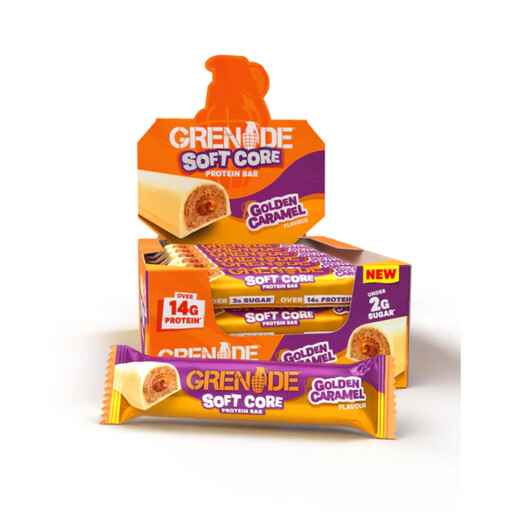
This is another 50g protein-bar option for comparing a larger snack with a smaller cereal or fruit bar. The pack contains twelve Golden Caramel bars; use this flavour’s own nutrition panel and allergen statement when choosing.
 No image available
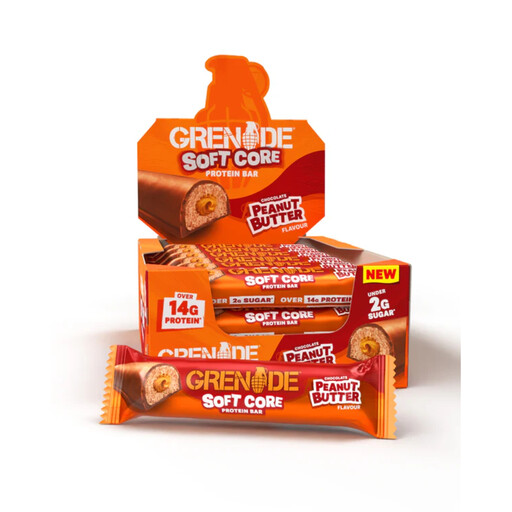
For a 50g protein-bar snack, compare the complete bar with the portion you actually want after the gym. This Peanut Butter pack contains twelve bars; check its flavour-specific nutrition and peanut and other allergen information.
No. A small bar may suit you if you only want a snack before another meal, but check its protein if you expect the bar to contribute more. Tesco lists 2.3g protein in a Graze Honey Oat Boost and 1.2g in an Alpen Raspberry & Yoghurt bar; University College London Hospitals NHS Foundation Trust also describes carbohydrate-and-protein snacks as an option around exercise.
Yes, if you want the bar to contribute to your food around exercise rather than simply provide a small bite. University College London Hospitals NHS Foundation Trust describes snacks containing both carbohydrate and protein as an option before and after exercise. Check the bar’s per-serving figures and consider the session and your next meal; the same snack is not necessary for every workout.
Read the ingredient and allergen statement for the exact flavour and current pack before eating it. For example, Tesco lists peanuts, almonds, soya and milk ingredients in Eat Natural Salted Caramel and states that Alpen Raspberry & Yoghurt is not suitable for people with a nut allergy. Similar-looking bars can have different ingredients.
Do not rely on a snack bar as the first treatment for a confirmed hypo. University Hospitals Sussex NHS Foundation Trust advises fast-acting carbohydrate when blood glucose is below 4 mmol/L and warns that some foods act too slowly for that purpose. Follow your clinical team’s personal hypo plan if this applies to you.