Students stocking a first accommodation cupboard
Individually portioned bars can be handy on move-in days or between lectures. Compare the nutrition information on the packs before choosing a multipack.


For a lower-calorie bar to keep on hand during move-in, compare kcal per bar first, then use the per 100g figures to account for different portion sizes. A smaller fruit-and-nut bar may have fewer calories per bar than a larger protein bar, but check sugars and allergens too; protein or fibre wording does not settle the calorie question.
Individually portioned bars can be handy on move-in days or between lectures. Compare the nutrition information on the packs before choosing a multipack.
If kcal per bar is your starting point, check the bar’s weight as well. A smaller serving and a larger serving are not directly comparable on their per-bar figures alone.
Look at protein and fibre alongside kcal, sugars and the allergen statement. A protein bar is not necessarily the lower-calorie option.
Choose the serving size that fits the occasion, compare nutrition on the same basis, then check whether the ingredients suit everyone who might eat the bars.
| Priority | What to check | Your needs |
|---|---|---|
| Calories and portion | Read kcal per bar and the bar’s weight. Use kcal per 100g when comparing different sizes. | I want a smaller snack for a short break, rather than choosing a bar solely because its pack describes it as lighter. |
| Sugars and saturates | Compare sugars and saturated fat per bar and per 100g alongside kcal. Check the figures rather than relying on front-of-pack claims. | If I am stocking a multipack, I want to know what each bar contains, not just which ingredient or nutrient the packaging highlights. |
| Protein and fibre | Check the stated amounts per bar, its kcal and its serving size. Do not use a protein or fibre claim as a substitute for the full nutrition panel. | For a longer gap between meals, I may prefer a bar with stated protein and fibre amounts, even if a smaller bar has fewer kcal per serving. |
| Allergens and ingredients | Read the current ingredient and allergen statements for the exact flavour. Check precautionary allergen wording as well as listed ingredients. | Before I buy bars for myself or share them with housemates, I need to check that the particular product is suitable for the person eating it. |
Protein or fibre wording does not tell you a bar’s kcal, sugars and saturated fat together. Action on Sugar’s 2025 analysis of UK supermarket snack bars found that 37% of the products reviewed would be high in sugars and 55% high in saturated fat under voluntary traffic-light thresholds; these are product-sample figures, not student preferences.
Compare the nutrition panel per bar and per 100g before settling on a multipack.
A smaller portion can have fewer kcal per bar while giving a different result when products are compared per 100g.
Use kcal per bar to judge the portion you would eat, and per 100g figures to compare bars of different weights.
Nature Valley says its Protein Peanut & Chocolate bar contains peanut, soy and milk ingredients and may contain tree nuts. Its protein content does not determine whether it is suitable for someone with an allergy.
Read the current pack for the exact flavour before buying or sharing it.
Alpen’s UK FAQ lists several former Alpen bars as no longer being made. A familiar brand name alone does not identify a current product with comparable nutrition information.
Check the exact product and its current pack details rather than choosing from memory.
These brand examples illustrate different bar formats; the nutrition and allergen details apply to the named products, not every bar a brand makes.
Graze Oat Boost is an oat-based flapjack range to consider if that format appeals to you.
Its named protein bars provide a comparison point when protein and fibre matter alongside calories.
Nakd Blueberry Muffin is a smaller fruit-and-nut bar for a per-serving comparison.
An Eat Natural peanuts-and-chocolate energy bar is listed in a 3 × 40g format.
Trek Cocoa Oat is an oat-and-protein flapjack format to compare with conventional cereal and fruit-and-nut bars.
Check the exact product if an Alpen bar is on your shopping list.
These are protein-bar multipacks to consider if you want that format for move-in days or gaps between lectures. Compare each flavour’s current nutrition and allergen information with smaller-bar options if kcal per serving is your main priority.
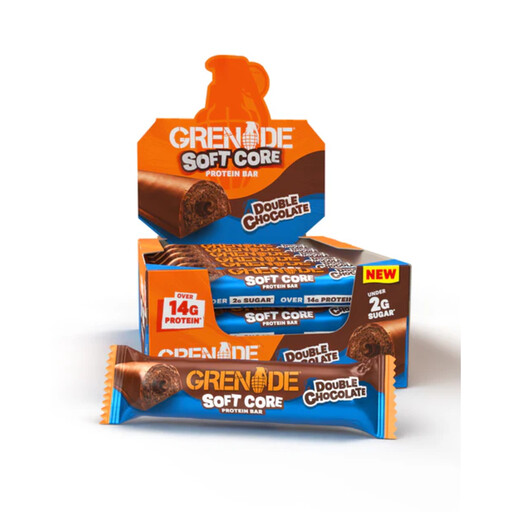 No image available
A multipack to consider if you want 50g protein bars on hand during move-in. Check the current pack’s kcal per bar, sugars and allergen statement before comparing it with smaller snacks.
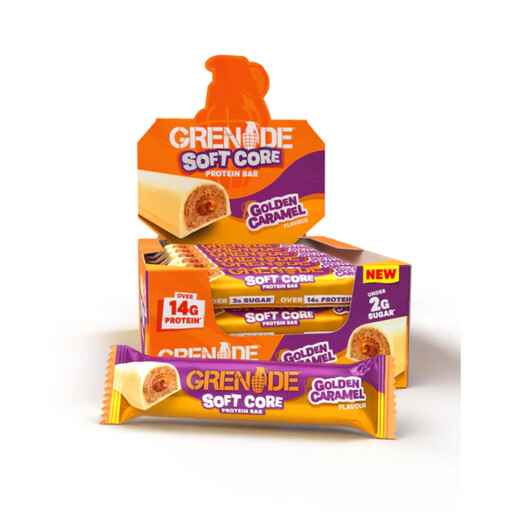 No image available
This 50g-bar multipack offers another flavour in the same format for between-lecture snacks. Compare its current per-bar and per 100g nutrition figures, and check allergens for this flavour.
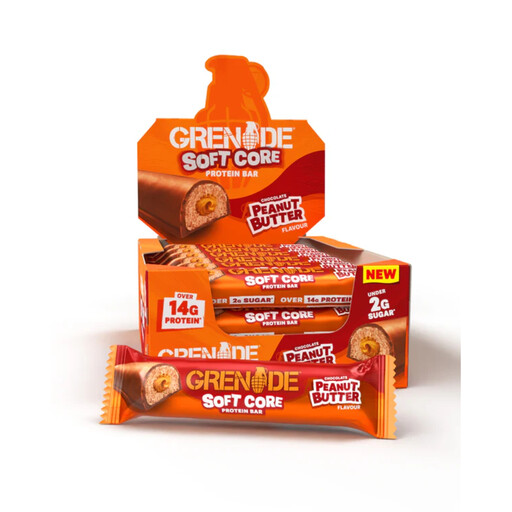 No image available
A peanut-butter-flavoured 50g-bar multipack for the protein-bar route. Check the full allergen statement, including peanut information, and compare kcal and sugars for the portion you would eat.
 No image available
For a 40g protein-bar portion, Nature Valley lists 196 kcal, around 10g protein and around 4g fibre per bar. The manufacturer lists peanut, soy and milk ingredients and says the bar may contain tree nuts; check the current pack before buying or sharing.
 No image available
Another 40g protein-bar portion: Nature Valley lists 198 kcal per bar, with around 10g protein and around 4g fibre. Its stated ingredients include peanut, soy, almond and milk; check the current pack’s complete allergen statement.
Start with kcal for the bar you would actually eat, then compare kcal per 100g if the bars differ in size. Check sugars, saturated fat and allergens before choosing a multipack.
No: the claim does not establish kcal per serving. Read the full nutrition panel. Action on Sugar’s 2025 UK supermarket snack-bar analysis found that 37% of the products reviewed would be high in sugars and 55% high in saturated fat under voluntary traffic-light thresholds; those findings describe the reviewed products, not every protein or fibre bar.
Per-bar kcal tells you about the portion you plan to eat; per 100g figures put differently sized products on the same comparison basis. The NHS explains that UK pre-packed-food labels give energy in kJ and kcal alongside other nutrition information, including sugars and saturates.
Check the exact flavour’s current pack before deciding. Nature Valley says Protein Peanut & Chocolate contains peanut, soy and milk ingredients and may contain tree nuts; its Salted Caramel Nut bar contains peanut, soy, almond and milk ingredients and may contain tree nuts.
The kcal figure alone does not answer that question. The Joybuy UK listing gives 131 kcal and 17g sugars per 35g bar, and identifies cashews and almonds as allergens. Compare those details with the other bars you are considering.