Shoppers comparing smaller portions
If you want a portable bar for a top-up shop, the kcal figure for the bar or serving you will eat is more useful than a per-100 g figure on its own.


For a smaller snack-bar portion, Eat Natural Apple Soft Fruit Bar is listed by Tesco Groceries at 86 kcal per 25 g bar, compared with 136 kcal per 35 g bar for Nakd Berry Delight. Those figures describe different-sized bars, not an overall nutritional winner: for a top-up shop, check the portion you expect to eat, then compare sugars, other nutrients and allergens against your needs.
If you want a portable bar for a top-up shop, the kcal figure for the bar or serving you will eat is more useful than a per-100 g figure on its own.
If you need a vegan, gluten-free or dairy-free option, or must avoid an allergen, check the exact variant’s ingredients and precautionary allergen wording as well as its nutrition panel.
If protein or fibre matters more to your choice than the smallest kcal figure, compare those amounts for the stated serving alongside its energy value.
Start with the amount you would actually eat, then use the nutrition panel and ingredient list to decide whether that bar fits your other requirements.
| Priority | What to check | Your needs |
|---|---|---|
| Portion and calories | Check kcal per bar and how many bars make a serving. Tesco Groceries lists 86 kcal for an Eat Natural Apple 25 g bar and 136 kcal for a Nakd Berry Delight 35 g bar; Nature Valley UK lists 196 kcal for a two-bar Oats & Honey serving of 42 g. | I want a bar-sized portion that fits this snack occasion, rather than comparing pack fronts without checking how much I would eat. |
| Other nutrition figures | Read sugars, protein and fibre for the same stated serving as the kcal figure. Nature Valley UK lists 196 kcal per 40 g Protein Peanut & Chocolate bar, while TREK UK lists 219 kcal per 50 g Original Oat bar and 10 g plant protein. | Protein, fibre or sugars may affect which bar I choose; the smallest kcal figure is not my only comparison. |
| Ingredients and allergens | Check the exact variant’s ingredients, dietary labels and any ‘may contain’ statement. GOV.UK says food businesses must identify 14 specified allergens when they are ingredients. | If I avoid particular ingredients, I need the pack’s allergen information before deciding whether the bar is suitable for me. |
Nakd Berry Delight is described as having no added sugar, but Tesco Groceries lists 136 kcal per 35 g bar and says its sugars are naturally occurring.
Read the kcal and sugars figures for the bar itself; use ‘no added sugar’ as a separate product attribute.
A serving is not always one bar. Nature Valley UK states that its Crunchy Oats & Honey serving is two bars, weighing 42 g.
Compare the kcal for the portion you expect to eat. Use per-100 g values when you also want to compare products on an equal-weight basis.
Fruit-and-nut, oat and protein bars can have different ingredients and precautionary allergen statements. A category name or dietary label does not replace the exact pack information.
Read the ingredient list and ‘may contain’ wording for the variant you are buying.
Alpen’s product-availability information lists several Alpen and Alpen Light bar varieties as no longer made, so an older nutrition figure may refer to a different product.
Check that the exact bar is currently sold and compare the nutrition panel on its current pack.
A brand name alone does not establish the portion size or nutrition of a particular bar; use these examples to narrow down which current labels to inspect.
Its Apple Soft Fruit Bar is an example of a smaller fruit-bar portion.
Berry Delight is a 35 g fruit-and-nut bar for shoppers considering that format.
Its crunchy oat and protein-bar lines offer different serving formats.
Original Oat is an oat flapjack for shoppers comparing protein as well as calories.
Oat Boost flapjacks are an oat-based format to compare by individual variant.
Older Alpen Light bar information needs an exact-product check before it informs a current purchase.
These options cover fruit-and-nut, oat, cereal and protein-bar formats for a top-up shop. Compare each current pack’s per-bar nutrition and allergen information before choosing.
 No image available
A fruit-and-nut format for a portable top-up. If you avoid nuts, check the cashew and almond ingredients and precautionary wording on the pack.
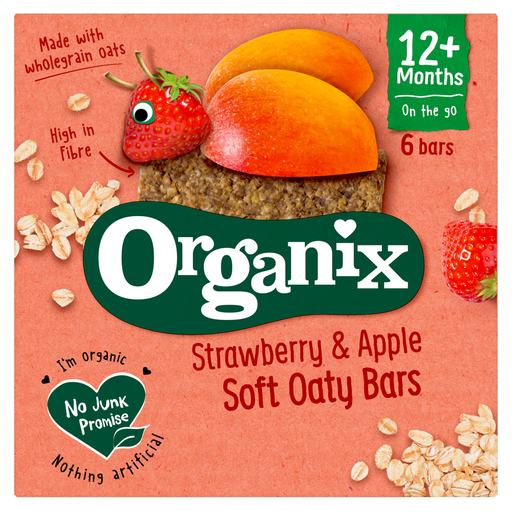 No image available
A soft oat-bar format marketed for children aged 12 months and over, rather than a general adult snack-bar range. Check the individual bar’s nutrition and precautionary allergen wording.
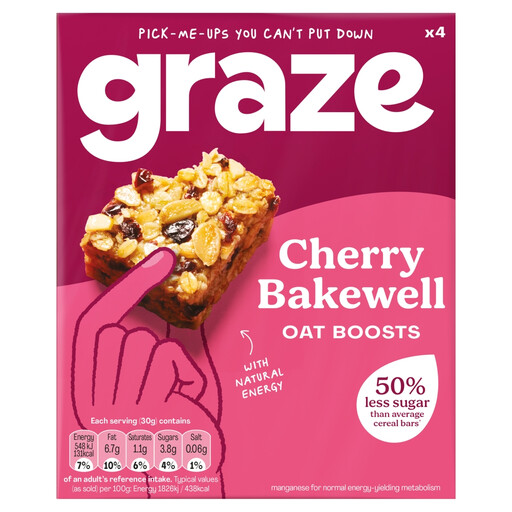 No image available
An oat-bar option if that format suits your top-up shop. Check calories for one bar and read the almond ingredients and precautionary allergen statement.
 No image available
A cereal-bar format in individually sized bars. Compare its per-bar nutrition with the portion you want, and check wheat, barley, oats, milk and soya on the pack if relevant.
 No image available
A protein-bar format if protein is part of your comparison rather than calories alone. Read the per-bar figures and check its milk and soya ingredients.
Compare kcal for the amount you expect to eat: one bar if that is your portion, or the full stated serving if it contains two bars. Then check sugars, protein, fibre and ingredients for that same choice rather than relying on the product name.
No. Tesco Groceries lists Nakd Berry Delight at 136 kcal per 35 g bar while describing its sugars as naturally occurring. Read its energy and sugars figures separately.
No. Check the exact pack’s ingredients and precautionary allergen statement. For example, a fruit-and-nut bar can contain nuts even if it carries another dietary label; GOV.UK says specified allergens used as ingredients must be identified to shoppers.
Equal kcal figures do not mean two bars have the same nutritional profile. Nature Valley UK lists 196 kcal for both its two-bar Crunchy Oats & Honey serving and its 40 g Protein Peanut & Chocolate bar; compare their protein, fibre, ingredients and serving formats to see which matches your purpose.