Picnic packers watching portion calories
If you want one bar as a small snack, compare kcal for the portion you expect to eat. Words such as “fruit” or “protein” do not tell you that figure.


For a lower-calorie picnic portion, start with the kcal in the bar you will actually eat: Eat Natural lists 86 kcal for its 25g Apple Soft Fruit Bar, while Nature Valley lists 196 kcal for its 40g Protein Peanut & Chocolate Bar and Myprotein lists 217 kcal for a 50g TREK Original Oat Protein Flapjack. The smaller bar is not automatically lower in sugar per 100g, so compare nutrition on that basis too and check the exact pack’s allergens before sharing.
If you want one bar as a small snack, compare kcal for the portion you expect to eat. Words such as “fruit” or “protein” do not tell you that figure.
If protein matters more to you than minimising kcal, compare protein and calories for the same bar. A larger protein bar may serve a different snack need from a smaller fruit bar.
If guests have food allergies, check the ingredients and precautionary allergen wording on each exact pack. A fruit, oat, vegan or gluten-free description does not settle whether a bar suits every guest.
Decide whether you want a smaller portion or a more substantial bar, then check nutrition for the amount you will eat as well as per 100g.
Consider it when: Kcal for a single, individually wrapped portion is the main priority; Eat Natural lists 86 kcal for its 25g Apple Soft Fruit Bar.
Check: That bar also lists 13.8g total sugars per portion and contains almonds, so its smaller size does not settle sugar or allergen suitability.
Consider it when: Protein per bar matters more than the lowest kcal figure; Nature Valley lists 10.2g protein and 196 kcal for its 40g Protein Peanut & Chocolate Bar.
Check: Its ingredients include peanuts, soya and milk, and the larger portion has more kcal than the Eat Natural example.
Consider it when: You would rather pack a larger oat-based bar; Myprotein lists 10.2g protein and 217 kcal for a 50g TREK Original Oat Protein Flapjack.
Check: It has more kcal per bar than either smaller example above and contains soya; read its precautionary allergen wording before sharing.
| Priority | What to check | Your needs |
|---|---|---|
| Portion calories | Check kcal per bar or stated serving and how many bars you will eat. Use kcal per 100g to compare different bar sizes on the same basis; the NHS explains that labels give per-100g figures and may also give figures per portion. | I want to know the kcal in the snack I am actually packing, not mistake a smaller bar for an equivalent-sized one. |
| Total sugars | Compare total sugars per 100g, then check sugars in your portion. NHS food-label guidance calls more than 22.5g total sugars per 100g high; Eat Natural lists 13.8g in its 25g Apple Soft Fruit Bar. | A bar with fewer kcal could still contain more sugar than I expect from its fruit-led description. |
| Protein or portion size | Compare protein and kcal for the same stated bar. Nature Valley lists 10.2g protein and 196 kcal per 40g Protein Peanut & Chocolate Bar; Myprotein lists 10.2g protein and 217 kcal per 50g TREK Original Oat Protein Flapjack. | If I want a larger, protein-led snack, I can choose it knowing how its portion compares with a smaller bar. |
| Allergens | Read the ingredients and “may contain” wording on the exact variant. Check for ingredients relevant to your guests rather than relying on fruit, oat, vegan or gluten-free wording. | When I am packing for a group, I need to know whether each guest can have the bar I bring. |
Eat Natural lists 86 kcal and 13.8g total sugars for its 25g Apple Soft Fruit Bar. A small portion and a low per-100g sugar figure are different things.
Use kcal per bar for the portion you plan to eat, then compare total sugars per 100g across bars.
Nature Valley lists 196 kcal for its 40g Protein Peanut & Chocolate Bar, while Myprotein lists 217 kcal for a 50g TREK Original Oat Protein Flapjack. Both exceed the 86 kcal listed for Eat Natural’s smaller Apple Soft Fruit Bar.
If minimising kcal per bar is your priority, compare smaller portions first; choose a protein-led bar when its different snack role matters to you.
Fruit and oat descriptions do not rule out declared allergens or precautionary “may contain” statements. An incorrect assumption matters particularly when bars are shared.
Read the full ingredient and allergen information on every exact pack before putting it in a shared picnic selection.
Serving definitions differ: Nature Valley lists two bars, weighing 42g together, as a serving for its Crunchy Oats & Dark Chocolate product.
Check the number of bars in the pack, each bar’s weight and the label’s serving definition before comparing nutrition for what you will eat.
Its individually wrapped Apple Soft Fruit Bar illustrates how a small fruit-and-nut portion fits a calorie-per-bar comparison.
Its Protein Peanut & Chocolate Bar is a reference for comparing protein with kcal in one 40g portion.
The Original Oat Protein Flapjack represents a larger oat-based portion rather than the smallest-bar route.
Graze’s Oat Boost flapjacks are another oat-bar format to assess by the nutrition panel of the particular flavour and portion.
These options include protein bars and a smaller soft oat bar. Compare their stated portions and exact-pack labels against your picnic needs rather than treating them as interchangeable lower-calorie choices.
 No image available
A protein-led picnic option rather than a small-portion bar. The pack contains twelve 50g bars; compare kcal for one bar with the portion you intend to eat and check the exact pack’s milk and soya information before sharing.
 No image available
Consider this twelve-bar pack when you want a 50g protein-led portion. Compare kcal per bar if a smaller snack is your priority, and check the exact pack for milk and soya before offering it to guests.
 No image available
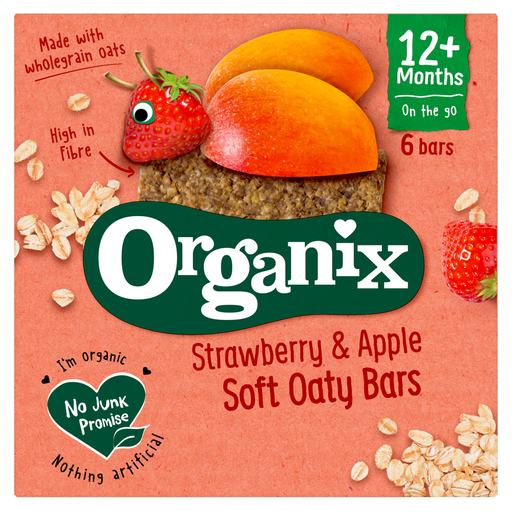
The smaller 23g bar format is worth comparing when the amount eaten at the picnic matters most. This is a product labelled for ages 12 months and over; check its nutrition panel and precautionary allergen wording on the exact pack.
 No image available
This twelve-pack suits a protein-led comparison, not an assumption that every protein bar is lower in kcal. Each bar is 50g; its peanut, milk and soya ingredients make an exact-pack allergen check particularly important when sharing.
 No image available
A four-pack of 40g bars for a protein-led snack. Nature Valley lists 10.2g protein per bar; check the kcal figure on the exact pack when comparing portions. The product contains peanuts, soya and milk and may contain tree nuts.
Not necessarily. Eat Natural lists 86 kcal and 13.8g total sugars for its 25g Apple Soft Fruit Bar. Compare kcal for the portion you will eat, then use total sugars per 100g to compare bars of different sizes; NHS guidance identifies more than 22.5g per 100g as high in sugars.
Yes. Read the ingredients and “may contain” statements on the exact pack before sharing. For example, Eat Natural’s Apple Soft Fruit Bar contains almonds, while Nature Valley’s Protein Peanut & Chocolate Bar contains peanuts, soya and milk.
Check the number and weight of the bars, then compare nutrition for the amount you expect to eat. A labelled serving is not always one bar: Nature Valley gives two bars weighing 42g together as a serving for its Crunchy Oats & Dark Chocolate product.
Follow the storage directions on each exact pack. Joybuy’s product information for Nature Valley Protein Peanut & Chocolate says to keep it in a cool, dry place away from direct sunlight and to leave individual bars in their wrappers after opening the multipack.