Desk workers comparing fat content
If you want a portable bar for a short lunch break, compare fat per 100g rather than relying on the word “Light” or the amount in one small bar.


Compare total fat per 100g before choosing a cereal bar for a quick desk lunch: a small serving or a name such as “Light” does not settle that comparison. Of the named varieties compared here, Alpen Light Summer Fruit has the lowest stated fat content at 4.3g per 100g, according to Weetabix Cereals, but its 19g bar is a small snack rather than a lunch in itself. Check the portion size, sugars, fibre and ingredients on the pack you buy.
If you want a portable bar for a short lunch break, compare fat per 100g rather than relying on the word “Light” or the amount in one small bar.
A cereal bar can be one part of lunch. Its weight and nutrition per bar help you judge what else to bring, while sugars and fibre give you more to compare than fat alone.
If you avoid particular allergens or need a vegan or gluten-free product, check the exact pack. Those requirements may rule out a bar regardless of its fat content.
Start with fat per 100g to compare bars of different sizes, then look at the serving you would actually eat and any ingredient requirements.
| Priority | What to check | Your needs |
|---|---|---|
| Total fat | Compare grams of total fat per 100g across bars. Then check grams per bar to account for portion size. | I want to compare lower-fat options without mistaking a smaller bar for a lower-fat recipe. |
| Label details | Read sugars and saturated fat alongside total fat; use traffic-light labelling where it appears. Check the nutrition panel for the full figures. | I want to see what else changes when I choose a bar with less fat. In a Food Standards Agency and Ipsos Northern Ireland survey of 611 people interviewed from September to November 2024, 49% said they actively used traffic-light labelling when shopping for food generally. |
| Portion size | Check the bar’s weight and nutrition per serving, as well as per 100g. Consider what else you plan to eat at lunch. | A small bar may fit my break, but I do not want to mistake it for everything I have planned for lunch. |
| Fibre | Compare fibre per bar between products and keep the serving sizes in view. | Fibre matters to my choice, but I do not want a fibre claim to stand in for a fat comparison. |
| Ingredients | Read the current ingredients and may-contain statements. Check any vegan or gluten-free information relevant to your requirements. | I need the particular bar I buy to fit my ingredient requirements, not just my preferred fat figure. |
Weetabix Cereals lists Alpen Light Summer Fruit at 0.8g fat per 19g bar, but 4.3g per 100g. The serving figure alone does not show how its recipe compares with a larger bar.
Use the per-100g figure to compare products, then check the amount in the bar you intend to eat.
A bar chosen for fibre or protein can still contain more fat. Waitrose & Partners lists Graze Cocoa Vanilla Oat Boosts at 17g fibre and 22g fat per 100g; TREK lists Cocoa Oat at 22g fat per 100g.
Compare each figure relevant to you separately, including total fat, saturated fat, sugars and fibre.
Kellogg’s lists 33g sugars per 100g for Nutri-Grain Blueberry, while TREK lists 10g saturated fat per 100g for Cocoa Oat. A total-fat figure does not describe either of those attributes.
Read the wider nutrition panel and any traffic-light labels before deciding which differences matter to your lunch.
Nut, cereal, milk and soya ingredients or may-contain statements may affect whether a particular bar meets your requirements.
Check both the ingredients and precautionary statements on the exact pack, particularly when choosing a nut or protein bar.
These figures refer to the named varieties, not every bar made by each brand.
Alpen Light Summer Fruit is a 19g bar; Weetabix Cereals lists 65 kcal, 3.8g fibre and 0.8g fat per bar.
Nutri-Grain Blueberry offers a fruit-filled cereal bar format. Kellogg’s lists a 37g serving.
Cocoa Vanilla Oat Boosts are a 30g oat-bar option.
Cocoa Oat is a 50g protein-bar format rather than a small fruit-filled cereal bar.
The Protein Packed Peanuts and Chocolate variety is a nut-and-protein bar.
Crunchy Cocoa & Hazelnut Flavour Bars are an oat-based option; Nature Valley lists wholegrain oats among their ingredients.
These cereal bar packs are options to examine for a quick desk lunch. Compare their current nutrition panels and ingredients before choosing for a lower-fat preference.
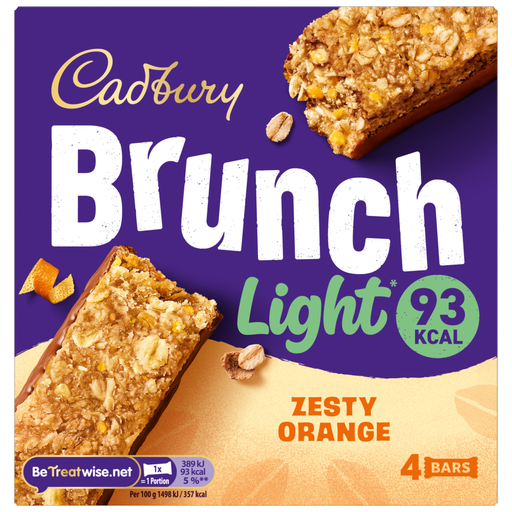 No image available
A cereal bar pack to consider for a desk lunch. The pack is listed as 4 bars weighing 104g in total; check the nutrition panel per 100g rather than using “Light” as a fat figure.
 No image available
The stated 21.5g bar size helps when planning what to bring for lunch. Compare total fat and sugars per 100g on the pack, then check the figures for one bar.
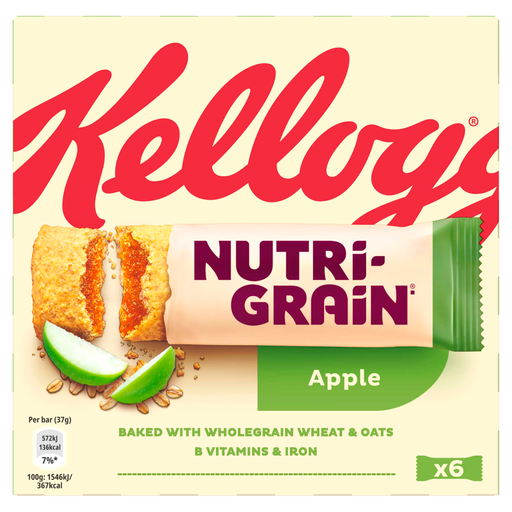 No image available
An apple-flavoured cereal bar option for a desk lunch, listed as a 222g six-pack. Check its own nutrition panel and ingredients; figures for Nutri-Grain Blueberry do not establish those of the Apple variety.
No: the name alone does not establish its fat content. Weetabix Cereals lists Alpen Light Summer Fruit at 4.3g fat per 100g, so use the current nutrition panel rather than the name when comparing bars.
Use per 100g to compare bars of different sizes, then per bar to see the amount in your serving. Waitrose & Partners lists Graze Cocoa Vanilla Oat Boosts at 6.5g fat per 30g serving and 22g per 100g.
Check the portion before treating a bar as your whole lunch. Alpen Light Summer Fruit, for example, is listed by Weetabix Cereals as a 19g, 65-kcal bar; consider what other food you plan to bring rather than assuming that one small bar covers lunch.
Read both the ingredients and any may-contain statements on the exact pack. This is especially important when considering bars made with cereals, nuts, milk or soya; a nutrition comparison cannot establish whether a product fits an allergen requirement.
Check the nutrition information on the current pack. GOV.UK states that nutrition information is mandatory on prepacked food; where traffic-light labelling also appears, it shows at a glance the labelled levels of fat, saturated fat, sugars and salt.