Bonfire Night snack planners
If you need bars that are easy to carry outdoors while keeping total fat in mind, compare labels per 100g before choosing a multipack. Check the stated serving size too: a serving may contain more than one bar.


For a Bonfire Night cereal bar that is low in total fat, compare current labels per 100g: the NHS guide for solid foods is 3g of fat or less per 100g. A ‘reduced fat’ or ‘light’ claim means at least 30% less fat than a similar product, not necessarily a low-fat bar. Check saturates, sugars, serving size and allergens as well before buying for a group.
If you need bars that are easy to carry outdoors while keeping total fat in mind, compare labels per 100g before choosing a multipack. Check the stated serving size too: a serving may contain more than one bar.
Oat, cereal and protein bars can meet different preferences, but those descriptions do not tell you whether a product is low in fat. Use the nutrition panel to compare the particular flavours you are considering.
If guests have vegan, gluten-free or allergen requirements, check the ingredients and allergen declaration for each flavour. Dietary suitability and total fat are separate checks.
Start with total fat per 100g to compare bars on the same basis, then use the serving information and other label details to choose for your gathering.
| Priority | What to check | Your needs |
|---|---|---|
| Total fat | Compare total fat per 100g. The NHS low-fat guide for solid foods is 3g or less per 100g; its reduced-fat guidance means at least 30% less fat than a similar product. | I want a bar that is low in total fat, rather than one whose ‘light’ label only compares it with another product. |
| Other label values | Read saturates and sugars alongside total fat, using per-100g figures for comparisons. Check the stated serving values separately. | For a group snack, I want to compare more than the claim on the front of the pack. |
| Portions | Check how many bars make up a stated serving and how many servings are in the pack. Use per-100g values when pack and bar sizes differ. | I need enough portable bars for the gathering without mistaking a two-bar serving for a single bar. |
| Dietary suitability | Check each flavour’s current ingredients, allergen declaration and any vegan or gluten-free statement. Do not use protein or fibre claims as substitutes for the fat figure. | Some guests may have dietary requirements, so I need to check those separately from my lower-fat preference. |
The NHS distinguishes a comparative reduced-fat claim from its low-fat guide of no more than 3g total fat per 100g for solid foods. Protein and wholegrain descriptions answer different questions.
If low total fat is your requirement, check the per-100g figure first. Then compare saturates and sugars rather than relying on the front-of-pack wording.
Bars and manufacturer-defined servings can differ in size, so per-bar figures alone do not give a like-for-like comparison.
Compare products per 100g, then check the serving definition to understand the amount in the portion you plan to offer.
Ingredients and allergen declarations can differ between flavours, even within a familiar range.
Read the current pack for every flavour, including precautionary allergen wording, before serving the bars to others.
These ranges illustrate why the exact product label matters; a brand name does not establish that every bar in its range is low in fat.
Its UK range includes Crunchy, Protein and Oaty & Crispy bars for portable snacking.
Its cereal-bar options include Special K products.
Its range includes Oat Boost flapjacks and other snacks.
Its range includes plant-based protein flapjacks and bars.
Its bar range includes fruit-and-nut, cereal and protein products.
Alpen Light is a name shoppers may encounter when looking for a lower-fat cereal bar.
These cereal-bar multipacks are options to compare for a Bonfire Night gathering. Their names and formats do not establish that they meet the NHS low-fat guide or qualify for a reduced-fat claim; check the current nutrition panel for each product.
 No image available
The six-bar format offers portions to pack for an outdoor gathering. Check this pack’s total fat, saturates and sugars per 100g before deciding whether it meets your lower-fat preference.
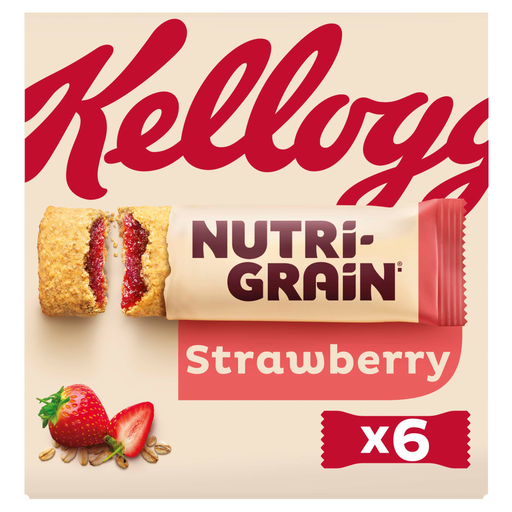 No image available
This strawberry six-pack is another format to consider for sharing. Compare its current total fat and sugars per 100g with other bars, then check the stated serving size.
 No image available
The four-pack provides an orange-flavoured option for the gathering. Treat ‘Light’ as a comparative claim, not proof that this bar is low in fat; check total fat and saturates on its current label.
 No image available
This six-pack offers a dark-chocolate option if guests prefer that flavour. Compare its current per-100g fat, saturates and sugars with the other bars rather than using the Special K name as a low-fat guarantee.
No. NHS guidance says a reduced-fat or light product contains at least 30% less fat than a similar product, while its low-fat guide for solid foods is 3g total fat or less per 100g. Read the actual per-100g figure to tell which description applies.
Compare total fat, saturates and sugars per 100g, then check the stated serving size and per-serving values for the portion you plan to offer. Read the ingredients and allergen declaration if you are buying for others.
No. TREK lists 9g plant protein per bar for its Cocoa Oat flapjack, alongside 22g total fat and 10g saturates per 100g. Compare the nutrition panel of the specific protein bar against your fat requirement.
Read the current ingredients and allergen statements for every flavour you plan to serve. A vegan or gluten-free description addresses a particular suitability need; it does not replace checking the full declaration or the bar’s fat content.