Hosts comparing fat content
If you are putting packaged bars on a Boxing Day buffet, the per-100g nutrition figures let you compare different-sized bars on the same basis.


For a Boxing Day buffet, compare cereal bars by total fat per 100g before looking at the amount per bar; then check saturates, sugars and allergens on each exact pack. Kellogg's Frosties Cereal Milk Bar has the lowest total fat of the four manufacturer and retailer examples compared here, at 9.2g per 100g, but none of those four meets the GOV.UK criterion of no more than 3g per 100g for a solid food claiming to be ‘low fat’. A smaller portion or a fibre or protein claim does not settle the fat comparison.
If you are putting packaged bars on a Boxing Day buffet, the per-100g nutrition figures let you compare different-sized bars on the same basis.
If guests need to avoid particular ingredients, check each variety's current label and keep its allergen information with the bars when serving.
If you want one bar rather than part of a larger snack, check the per-bar figures as well as the per-100g figures. They answer different questions.
Start with the nutrition table to compare bars, then use the serving information and ingredient label to decide which varieties to put out.
| Priority | What to check | Your needs |
|---|---|---|
| Total fat | Compare fat per 100g across the exact varieties. GOV.UK says a solid food claiming to be ‘low fat’ must contain no more than 3g fat per 100g; a relatively lower figure does not itself meet that criterion. | I want to compare recipes fairly, rather than let a smaller bar's per-portion figure decide for me. |
| Saturates and sugars | Read saturates and sugars alongside total fat, using the same per-100g basis. Check the per-bar figures separately for the portion being offered. | A bar's fibre, protein or reduced-sugar wording is not enough for me to judge its full nutrition table. |
| Ingredients and allergens | Check the ingredients and ‘may contain’ wording on each exact pack. Keep varieties separate and leave their labels available to guests. | I need guests to be able to identify which bar they are taking and read its own allergen information. |
| Portion and pack | Check the weight of one bar and the pack count. Use the per-bar nutrition figures to understand a serving, without substituting them for a per-100g comparison. | For self-service, I'd like guests to be able to take a defined portion without cutting a bar. |
Nature Valley's reviewed Cocoa & Hazelnut bars declare 18.4g fat per 100g, Tesco lists Graze Honey Oat Boosts at 22g, and Eat Natural lists its Dark Chocolate & Peanut Protein Bar at 36.3g. Those figures answer a different question from the products' other nutrition messages.
Read total fat on the exact pack. For a solid food claiming to be ‘low fat’, GOV.UK gives a limit of 3g fat per 100g.
Bars of different weights can have different per-bar fat figures even when their per-100g figures tell a different story. Tesco, for example, lists 6.7g fat for a 30g Graze Honey Oat Boost and 22g per 100g.
Use per 100g to compare the bars, then per bar to understand the portion a guest would take.
The reviewed Kellogg's, Nature Valley and Eat Natural varieties declare different allergens or possible allergens. Once wrappers are removed, guests may not be able to tell which information belongs to which bar.
Keep each variety separate with its original packaging or label. Check the exact pack with any guest who needs to avoid an ingredient or possible cross-contact.
These figures describe the named varieties, not every bar made by each brand. Compare them on the same per-100g basis and check the pack you intend to serve.
Kellogg's UK lists 9.2g fat per 100g for its Frosties Cereal Milk Bar, the lowest total-fat figure among the four examples compared here.
Nature Valley UK lists 18.4g fat and 7.6g fibre per 100g for its Crunchy Cocoa & Hazelnut Flavour Bars.
Tesco lists Graze Honey Oat Boosts as 30g flapjacks with 6.7g fat per bar and 22g per 100g.
Eat Natural UK lists 36.3g fat per 100g for its Dark Chocolate & Peanut Protein Bar.
Trek protein-flapjack listings offer another oat-based format to consider for the buffet.
These Joybuy listings are cereal-bar pack options for a Boxing Day buffet. Use each exact pack's nutrition and allergen label before deciding whether it meets your fat-comparison or guest requirements.
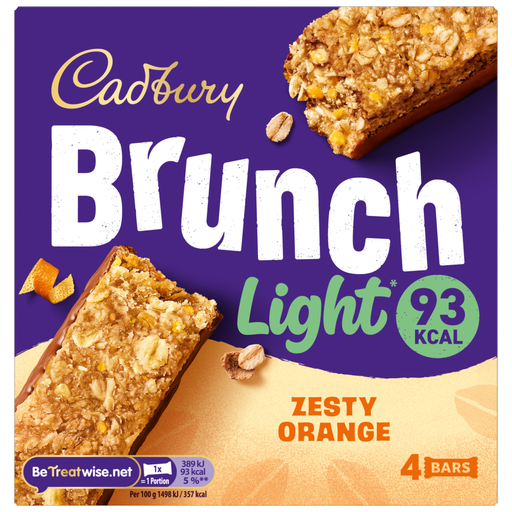 No image available
The four-bar pack is an option to check when planning how many buffet portions to offer. Compare fat per 100g on the exact pack; do not treat ‘Light’ in the name as a low-fat declaration.
 No image available
The pack contains six 21.5g bars, so check both the nutrition per bar and the fat per 100g when comparing it with other buffet options. Read the exact pack for ingredients and allergens.
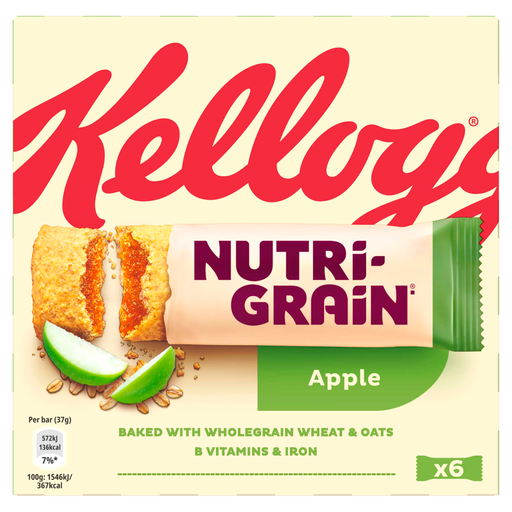 No image available
This apple variety offers a six-bar pack for the buffet. Check its own per-100g fat and saturates, per-bar figures and allergen label rather than applying figures from another Kellogg's bar.
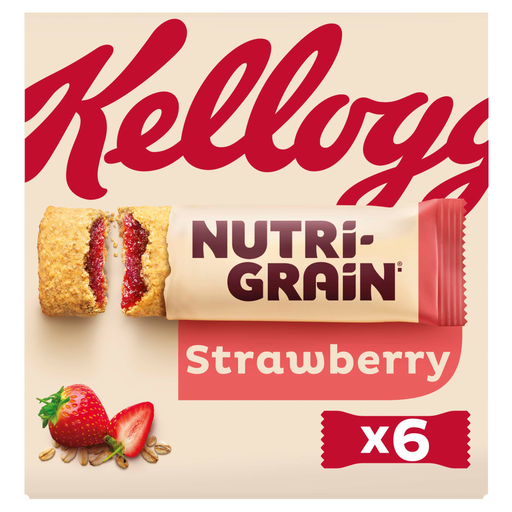 No image available
The strawberry variety is a separate six-bar, 222g pack. Check its exact nutrition and ingredients when choosing between flavours; a shared product range does not make their labels interchangeable.
 No image available
This dark-chocolate variety comes as six 21.5g bars. Compare its own fat, saturates and sugars per 100g, then check the per-bar serving and allergen label before putting it out.
GOV.UK says a solid food claiming to be ‘low fat’ must contain no more than 3g fat per 100g. Compare that criterion with the total-fat figure on the exact bar; a relatively lower-fat bar does not automatically qualify for the claim.
No. The named Kellogg's, Nature Valley, Graze and Eat Natural examples list between 9.2g and 36.3g fat per 100g, all above the GOV.UK limit of 3g per 100g for a solid food claiming to be ‘low fat’. That comparison applies to those four varieties, not every bar from their brands.
Use per 100g to compare cereal bars of different sizes, then per bar to see what one buffet portion contains. For example, Tesco lists Graze Honey Oat Boosts at 22g fat per 100g and 6.7g in one 30g bar.
Keep each cereal-bar variety separate and leave its original ingredient and allergen information beside it. Check the exact pack, including any ‘may contain’ statement, with guests who need to avoid particular ingredients; the compared varieties do not all declare the same allergens.