Campers comparing declared fat
If you want a ready-to-eat bar for a festival bag, compare fat per 100g before judging the figure for one bar. Portions differ between products, so the smaller per-bar number is not necessarily the lower per-100g one.


For a festival snack where declared total fat is the main criterion, start by comparing bars per 100g, then check what one bar contains. In a five-product comparison using UK product nutrition information, Kellogg's lists 6.3g fat per 100g for Special K Red Berry Bar and 8.3g for Nutri-Grain Apple, below the three other bars checked. Those figures do not establish a reduced-fat claim or make either bar suitable for every camper: check the exact pack's portion, sugars, allergens, date and storage instructions before you pack.
If you want a ready-to-eat bar for a festival bag, compare fat per 100g before judging the figure for one bar. Portions differ between products, so the smaller per-bar number is not necessarily the lower per-100g one.
If fibre, protein or a particular oat, fruit or nut format matters to you, compare those details alongside fat and sugars. A bar that meets one preference will not necessarily meet another.
Check the current ingredients and any may-contain statement for each exact bar, particularly before buying a multipack to share. Vegan or gluten-free wording applies to the product carrying it; it does not tell you its fat content.
Compare nutrition on the same basis first, then decide whether the portion, ingredients and pack instructions work for a day at a festival.
| Priority | What to check | Your needs |
|---|---|---|
| Declared fat | Compare total fat per 100g, then fat for the portion you would eat. Kellogg's UK lists 6.3g per 100g for Special K Red Berry Bar and 8.3g for Nutri-Grain Apple; check the exact variant and pack rather than transferring either figure to another size or flavour. | I want to compare bars fairly, even when one pack contains smaller portions. If I specifically need a reduced-fat claim, I will check the wording on the exact product rather than infer it from a comparison. |
| Pack and dates | Check that the bars are unopened, read the exact pack's storage instructions and inspect its date marking. The Food Standards Agency distinguishes best-before dates, which concern quality, from use-by dates, which concern food safety. | I need a bar I can pack and use in line with its storage and date instructions while camping. |
| Allergens | Read the current ingredients list and may-contain statement for every variant. The Food Standards Agency says regulated allergens must be emphasised in the ingredients list of pre-packed food. | Before I pack bars for myself or others, I need to know whether the exact product fits our ingredient and allergen requirements. |
| Other nutrition | Compare sugars per 100g and per portion, and check declared fibre or protein where those matter to you. For example, Nature Valley UK lists 3.1g fibre for a 42g two-bar serving of Crunchy Apple & Cinnamon, alongside 17.9g fat per 100g. | I may prefer a particular texture or want to consider fibre or protein, rather than choose on fat alone. I will check what the stated serving actually contains. |
A comparison between a few bars does not establish that any one of them carries a reduced-fat nutrition claim. UK Department of Health & Social Care guidance addresses nutrition claims separately from an informal comparison of declared values.
If that claim is important to your purchase, check the wording for the exact current product. Use its per-100g declaration to compare it with other bars.
The checked products use portions from 27g to 42g. A smaller portion can show less fat per bar without having less fat per 100g.
Start with the per-100g figures, then check the amount for the number of bars you expect to eat.
The checked gluten-free Eat Natural bar lists 26.3g fat per 100g, while the Graze bar labelled suitable for vegans lists 22g. Both exceed the declared figures for the two checked Kellogg's bars, according to Eat Natural, Tesco Groceries and Kellogg's UK product information.
Use dietary-suitability wording for the requirement it describes, and compare nutrition separately.
Ingredients and may-contain statements matter when bars are shared or when a camper must avoid an allergen. Date markings also have different meanings for quality and food safety, as the Food Standards Agency explains.
Before leaving, check each exact pack's ingredients, allergen statements, date and storage instructions.
These examples show why the exact bar matters more than a brand name when comparing fat or dietary suitability.
Its UK nutrition panels provide two cereal-bar examples with lower declared fat than the other three products in the comparison discussed here.
Its range includes crunchy oat bars and other formats for portable snacking.
Cocoa Vanilla Oat Boosts are a 30g oat-flapjack option labelled suitable for vegans on the checked Tesco Groceries listing.
Its checked Cashew & Blueberry bar is a fruit-and-nut format labelled gluten free by Eat Natural UK.
The TREK Biscoff Protein Flapjack is a plant-based flapjack format described in TFS Ltd product information.
Check the exact product before relying on an older Alpen cereal-bar listing for festival shopping.
These are cereal-bar multipacks with the named flavours and pack sizes shown below. For festival packing, compare each exact product's nutrition and allergen label before deciding; the five-product nutrition comparison elsewhere in this article does not automatically apply to these packs or variants.
 No image available
The 21.5g bar size may suit someone packing individual snack portions. Check this pack's own fat and sugar declarations: the Kellogg's UK figures for a checked 27g Red Berry bar should not be assumed to describe this pack. Read its allergen label before sharing.
 No image available
This is a dark-chocolate-flavour alternative in the same stated pack size as the Red Berry listing above. Compare their exact per-100g and per-bar labels, including sugars and allergens, rather than assuming the flavours have the same formulation.
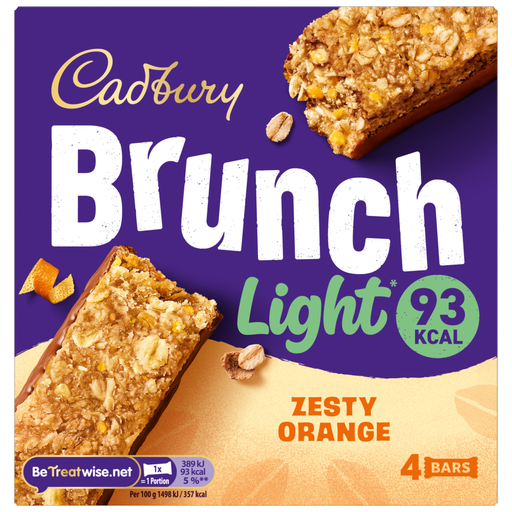 No image available
If the orange flavour and four-pack format appeal for your festival food bag, compare this bar's current nutrition panel with the other options. “Light” in the name alone does not establish a reduced-fat claim; check the exact pack wording and allergens.
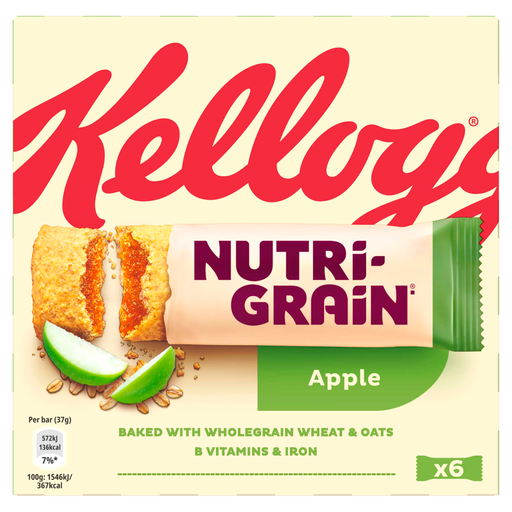 No image available
An apple-flavour option if you prefer a fruit-filled bar for your festival bag. Kellogg's UK lists 8.3g fat per 100g for its checked Nutri-Grain Apple product; confirm that this pack's nutrition and allergen details match the product you intend to buy.
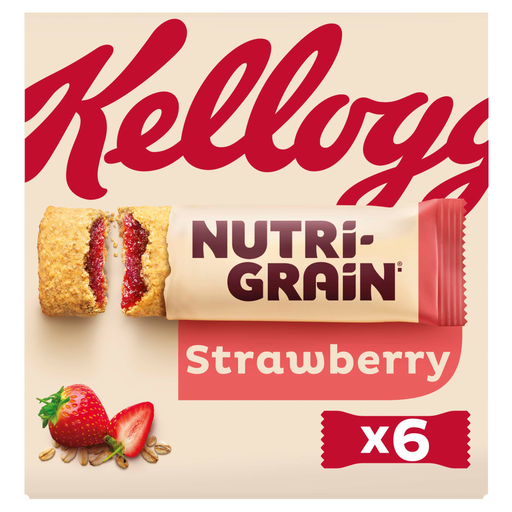 No image available
This strawberry variant offers another fruit-flavour choice in a stated six-pack of 222g. Check its own per-100g fat, sugars and allergen information; the checked nutrition figures for Nutri-Grain Apple do not establish the strawberry variant's values.
No. Bar sizes differ, so compare total fat per 100g before looking at the amount in the portion you would eat. UK Department of Health & Social Care guidance addresses nutrition claims; a relatively lower figure in this limited comparison does not establish a reduced-fat claim for an exact product.
Kellogg's UK lists 6.3g fat per 100g and 1.7g per 27g bar for Special K Red Berry Bar, the lowest declared total-fat figure among the five products compared here. That checked product contains barley, oats, milk, soya and wheat, and its figures should not be assumed to apply to a different pack or recipe.
Keep the exact pack's storage instructions and date marking in mind, and check that the bars are unopened. The Food Standards Agency distinguishes best-before dates, which concern quality, from use-by dates, which concern food safety.
Read the current ingredients list and any may-contain statement for each exact product, especially before sharing. The Food Standards Agency says regulated allergens must be emphasised in the ingredients list of pre-packed food; the checked bars include products containing or potentially exposed to gluten cereals, milk, nuts, peanuts or soya.
Check the exact product rather than relying on an older listing. Alpen's UK FAQ names former bar products, including an Alpen Light Bars variant, among those no longer being made.