Hosts comparing fat content
For a Christmas party snack table, compare bars per 100g before deciding whether their individual portions suit the spread.


Compare total fat per 100g on the exact bars you are considering, then check the amount per bar for serving. Of four UK product declarations compared here, Kellogg's Rice Krispies Snack Bar has the lowest stated figure at 11g per 100g, according to Kellogg's UK; that limited comparison does not establish which bar has the least fat across the wider range. For a party, check current wrappers for allergens and dietary requirements before choosing what to put out.
For a Christmas party snack table, compare bars per 100g before deciding whether their individual portions suit the spread.
Guests may need gluten-free or vegan options, or need to avoid particular allergens. Check the current label of each flavour rather than assuming one type of bar suits everyone.
Oat, protein and fruit-and-nut bars offer different formats. Compare their nutrition declarations separately if lower fat remains a priority.
Start with the finished bar's nutrition declaration, then check the portion and label details that matter for your guests.
| Priority | What to check | Your needs |
|---|---|---|
| Total fat | Compare fat per 100g for the exact flavours. In four product declarations, Kellogg's UK lists 11g for Rice Krispies Snack Bar, Nature Valley UK 17.9g for Crunchy Apple & Cinnamon, Myprotein UK 19.6g for Trek Original Oat Protein Flapjack, and Sainsbury's 36.3g for Eat Natural Protein Peanuts & Dark Chocolate. Then check fat per bar and bar size. | I want to compare bars on the same basis, without mistaking a smaller portion for a lower-fat recipe. |
| Dietary fit | Read the current ingredients, allergen statements and any gluten-free or vegan labelling for each flavour. Keep wrappers available when bars are served. | Some guests need to avoid particular ingredients, so I need to know which bar each label belongs to. |
| Bar style | Decide whether an oat, protein or fruit-and-nut bar is wanted alongside the lower-fat choices. Check its total fat rather than using the style or an ingredient description as a substitute for the nutrition table. | I would like some variety, but I do not want to assume that a protein or oat bar has less fat. |
That wording describes an ingredient. Nature Valley UK lists fat-reduced cocoa powder in its Cocoa & Hazelnut bar, but the phrase does not give the finished bar's total-fat figure.
Use the nutrition table for the exact flavour and compare total fat per 100g.
Portions differ: Kellogg's UK declares 2.2g fat per 20g Rice Krispies Snack Bar, while Sainsbury's lists 14.5g per 40g Eat Natural Protein Peanuts & Dark Chocolate bar. Their per-100g figures also differ.
Compare per 100g first; use the per-bar figure when planning portions.
A vegan, gluten-free or protein-focused format answers a different question. Myprotein UK lists 19.6g fat per 100g for Trek Original Oat Protein Flapjack, while Sainsbury's lists 36.3g for Eat Natural Protein Peanuts & Dark Chocolate.
Choose for a guest's dietary requirement where needed, and assess total fat separately.
Assorted bars can contain different ingredients or carry different may-contain warnings. Once wrappers are discarded, guests cannot readily check which information belongs to their bar.
Check current labels before the party and keep each wrapper with its flavour when serving.
Its Rice Krispies Snack Bar provides a small, individually portioned example for this comparison.
Its Crunchy Apple & Cinnamon bars provide an oat-based alternative.
The Original Oat Protein Flapjack is an oat-based option described as vegan and gluten-free.
Protein Peanuts & Dark Chocolate is a fruit-and-nut bar for guests seeking that format.
Oat Boost flapjacks are another oat-based style to consider for a mixed party selection.
These cereal-bar multipacks offer different flavours and portion sizes for a Christmas party. Compare each current pack's nutrition and allergen information before choosing for a lower-fat spread.
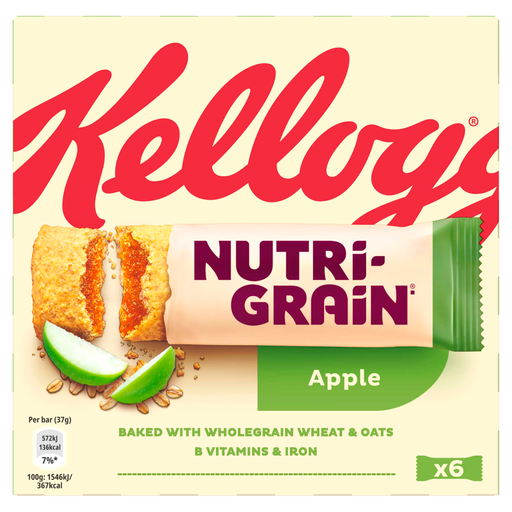 No image available
For an apple-flavoured option on the party table, compare this pack's fat per 100g and check its allergen label before serving.
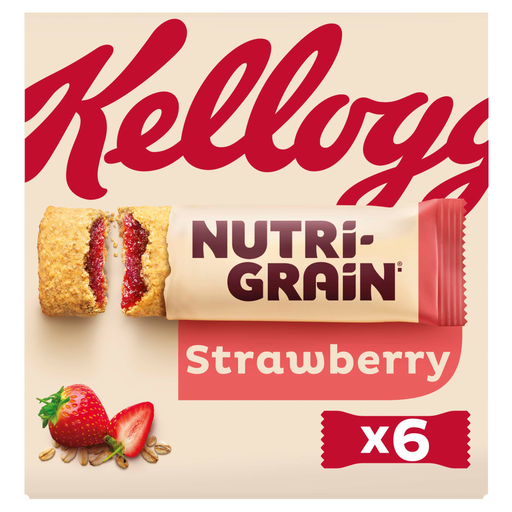 No image available
If guests would prefer strawberry, use the current nutrition table to compare total fat with the apple variant; check this flavour's own allergen information too.
 No image available
For a dark-chocolate option, check both fat per 100g and fat per 21.5g bar, then keep the allergen information available to guests.
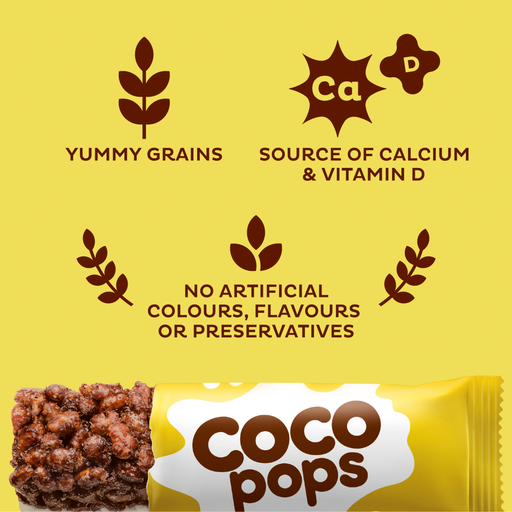 No image available
These 20g chocolate cereal bars offer another portion size to consider; compare the exact pack's per-100g declaration rather than judging it by bar size.
 No image available
For an orange-flavoured choice, check total fat on the current pack: “Light” in the product name does not replace a comparison per 100g.
No. It describes the cocoa ingredient, not the finished bar's total fat. Read the nutrition declaration for the exact bar and compare fat per 100g.
Compare total fat per 100g first, then check the amount per bar for portions. Among four product declarations, Kellogg's UK lists 11g per 100g for Rice Krispies Snack Bar, Nature Valley UK lists 17.9g for Crunchy Apple & Cinnamon, Myprotein UK lists 19.6g for Trek Original Oat Protein Flapjack, and Sainsbury's lists 36.3g for Eat Natural Protein Peanuts & Dark Chocolate. Those figures do not establish dietary suitability.
No. Gluten-free does not mean free from other allergens. The Food Standards Agency notes that oats still need to be identified as an allergen where applicable; the Trek Original Oat Protein Flapjack also contains soya and carries may-contain warnings for other ingredients. Check the current wrapper with the guest's requirements in mind.
Keep each bar's current ingredient and allergen information with its flavour, preferably by retaining its wrapper. For loose or counter-packed bars, ask for that information before putting them out; a flavour name alone is not enough to identify allergens.