Commuters looking for a lower-fat coffee snack
A portioned bar is convenient to carry, but its format and front-of-pack wording cannot tell you how much fat it contains. Compare the current nutrition figures per 100g and per bar.


For a cereal bar to have with coffee on the commute, compare total fat and saturated fat on the current pack, first per 100g and then per bar. Oat, protein, ‘Light’ and portable positioning do not establish that a particular bar meets your lower-fat preference; check sugars, portion size and allergens too.
A portioned bar is convenient to carry, but its format and front-of-pack wording cannot tell you how much fat it contains. Compare the current nutrition figures per 100g and per bar.
If protein or fibre matters to you as well as portability, compare those details alongside total fat and saturated fat rather than treating one feature as a shortcut for another.
Check the ingredient and allergen statements for the exact flavour and pack you intend to buy, particularly when switching between cereal, nut and protein bars.
Start with comparable nutrition figures, then consider what the portion and ingredients mean for your coffee break. The Food Standards Agency and Ipsos Northern Ireland interviewed 611 Northern Ireland food shoppers between 16 September and 23 November 2024; their traffic-light label finding concerns food shopping generally, not cereal bars specifically.
| Priority | What to check | Your needs |
|---|---|---|
| Fat and saturated fat | Compare both figures per 100g across bars. Then check the per-bar figures for the portion you would eat; read traffic-light colours alongside the numbers. | I want a quick label cue without mistaking a small bar for a lower-fat one. In that 2024 Food Standards Agency and Ipsos Northern Ireland survey, 49% of the 611 Northern Ireland food shoppers actively used traffic-light labels when shopping for food. |
| Portion and portability | Check the bar weight and how many bars are in the pack. Use the stated serving size when comparing what you would take on the commute. | A bar needs to fit my coffee break, but a convenient portion alone does not settle its nutrition. |
| Sugars, fibre and protein | Read the nutrition declaration for each attribute that matters to you. Compare sugars as well as fat rather than relying on an oat or protein description. | If fibre or protein influences my choice, I still want to know what the same bar contains in fat and sugars. |
| Ingredients and allergens | Read the exact flavour’s ingredient list, allergen statement and relevant precautionary wording on the current pack. | When I change flavours or packs, I need to check whether the ingredients still meet my requirements. |
Nature Valley UK lists 27.7g fat per 100g for its Chocolate & Coffee Protein bar; Eat Natural UK lists 36.3g per 100g for its dark chocolate and peanut protein bar. A protein description does not answer a lower-fat buying question.
Compare total fat and saturated fat on the current packs before choosing between bars for their flavour, protein or fibre.
Graze says it has reduced saturated fat in its Oat Boost flapjacks by 45% since launch. That change over time does not establish the total fat content of every current flavour.
Use the nutrition declaration for the particular Oat Boost flavour you are considering.
Different portion weights make per-bar figures difficult to compare directly. Kellogg’s UK lists 3.1g fat per 37g Nutri-Grain Apple bar and 8.3g per 100g.
Compare per-100g figures between products, then use each bar’s serving figures to assess your portion.
Changing a flavour or product line can change which ingredients need your attention.
Read the current pack’s ingredient, allergen and relevant precautionary statements for the exact bar you intend to buy.
These references concern particular bar lines and published product information, not every bar made by each brand.
Oat Boost flapjacks are an oat-based option to inspect if that style of bar appeals alongside coffee.
Nutri-Grain Apple is a portioned breakfast-bar example for comparing serving and per-100g figures.
Its Chocolate & Coffee Protein bar matches the coffee theme by flavour, but that does not make it a lower-fat selection.
Its dark chocolate and peanut protein bar illustrates why a nut-based option needs its own fat comparison.
A familiar name is not enough to establish that a particular bar is still being made.
These cereal and oat bar multipacks offer different flavours and pack sizes for a coffee commute. Check each current nutrition declaration to decide whether a particular bar meets your lower-fat preference.
 No image available
An orange-flavoured multipack to consider for a coffee break. Check the current pack’s fat and saturated fat figures rather than treating ‘Light’ as the answer to your lower-fat requirement.
 No image available
The 21.5g bar size helps you identify the portion you would take with coffee. Compare the current fat and saturated fat values per 100g with other bars, then check the per-bar figures.
 No image available
This dark-chocolate multipack offers a different flavour at the same stated bar weight as the Red Berry option. Compare their current fat, saturated fat and sugars figures rather than assuming the flavours have the same nutrition.
 No image available
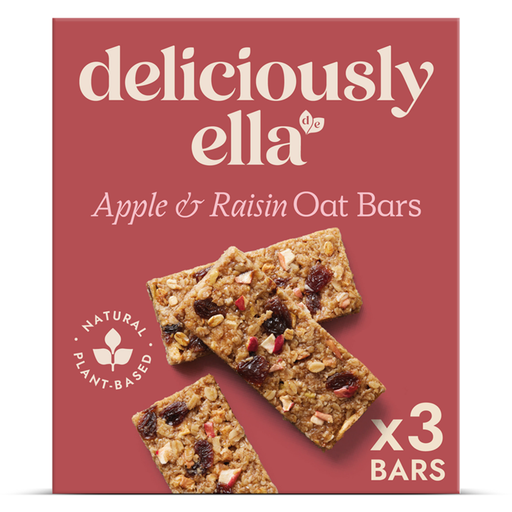
These 50g oat bars offer an apple, raisin and cinnamon flavour for a coffee break. Their larger stated portion makes it particularly useful to compare both per-100g and per-bar nutrition figures with smaller bars.
No: protein and fat are separate nutrition figures. Nature Valley UK lists 27.7g fat per 100g for its Chocolate & Coffee Protein bar, while Eat Natural UK lists 36.3g per 100g for its dark chocolate and peanut protein bar. Check the current nutrition declaration for the bar you are considering.
Use total fat and saturated fat per 100g to compare products on the same basis, then check the per-bar figures for the portion you would have with coffee. A smaller bar’s serving figure alone does not settle the comparison.
The word alone does not tell you the bar’s total fat content or what it is being compared with. Read the exact wording on the current pack and compare its fat and saturated fat figures per 100g and per bar.
Read the current ingredient and allergen statements for the exact flavour, including relevant precautionary wording. Repeat the check when changing flavours or multipacks rather than relying on a previous purchase or the brand name.