New parents choosing a portable snack
An individually portioned bar may be convenient on a busy day. If lower fat matters to you, compare the figures rather than treating ‘Light’ as a low-fat claim.


Among three named products compared using manufacturer-declared fat per 100g, Weetabix Cereals lists Alpen Light Summer Fruit at 4.3g, Alpen Light Chocolate & Fudge at 6.5g, and Nature Valley UK lists its Crunchy Variety Family Pack at 18.1g. Summer Fruit is the lower-fat choice within that comparison, but Department of Health guidance on UK nutrition claims sets the ‘low fat’ condition for solid foods at no more than 3g fat per 100g, so neither Alpen bar meets it. Check portion size, sugars and the current pack’s allergen information before choosing a snack for yourself.
An individually portioned bar may be convenient on a busy day. If lower fat matters to you, compare the figures rather than treating ‘Light’ as a low-fat claim.
Use fat per 100g to compare bars of different sizes, then check the portion you would eat and the figures for sugars, saturates, fibre and salt.
If someone eating the bars needs to avoid particular ingredients, read the current pack’s ingredients and precautionary allergen statements. Flavours and multipacks need their own checks.
Start with the per-100g nutrition figures for a consistent comparison, then look at the serving size and ingredients of the bar you would actually buy.
| Priority | What to check | Your needs and surveyed shoppers |
|---|---|---|
| Fat and portions | Compare total fat per 100g, then fat per serving and the serving weight. Department of Health guidance sets the UK ‘low fat’ condition for solid foods at no more than 3g fat per 100g; a ‘Light’ name does not establish that a bar meets it. | I want to compare different-sized bars fairly, then see what one portion contains. In the Food Standards Agency and Ipsos Northern Ireland’s 2024 survey of 611 food shoppers interviewed between September and November, 49% reported actively using traffic-light labelling when shopping for food; that measures label use, not interest in lower-fat cereal bars. |
| Full nutrition panel | Read sugars, saturates and salt alongside total fat, using per-100g values for comparison. Check per-serving values for the portion you expect to eat; fibre or wholegrain wording does not give those figures. | A wholegrain or fibre description catches my eye, but I also want to know the sugars and saturates in the specific bar. |
| Allergens | Read the current ingredients list and any ‘may contain’ statement for the exact flavour or multipack. Nature Valley UK advises checking packs because formulations may change. | Someone in my household avoids certain ingredients, so a familiar brand name or a previous purchase is not enough to make the choice. |
| How you will use it | Check the bar’s portion size and ingredients against your own eating needs. NHS guidance says breastfeeding does not require a special diet and advises a varied, balanced diet. | I may want a bar to carry as a snack, without treating it as a meal or a specialised breastfeeding food. |
Weetabix Cereals declares 4.3g fat per 100g for Alpen Light Summer Fruit and 6.5g for Chocolate & Fudge. Both exceed the 3g-per-100g condition for a ‘low fat’ claim on solid foods in Department of Health UK guidance.
Use ‘lower fat’ only in relation to products you have compared on the same per-100g basis.
Weetabix Cereals gives a 19g serving for each examined Alpen Light bar, while Nature Valley UK gives a two-bar 42g portion for its Crunchy Variety Family Pack. Those serving figures describe different amounts of food.
Compare the per-100g figures first, then read the serving weight and per-serving nutrition for the amount you expect to eat.
Fibre and wholegrain describe particular features; they do not tell you the bar’s total fat, sugars or saturates. Action on Salt and Sugar’s 2025 review of 458 snack bars from 10 major UK retailers found that 55% were high in saturated fat and 37% high in sugars under UK front-of-pack thresholds. Those figures describe the sampled bars, not every cereal bar.
Compare the full nutrition panel for the exact product rather than relying on one front-of-pack description.
The examined bars have different ingredients and precautionary statements. Nature Valley UK also advises checking its packs because formulations may change.
Read the physical pack for each flavour, including its highlighted allergens and ‘may contain’ wording, before anyone with an allergy eats it.
Weetabix Cereals provides nutrition figures for two Alpen Light bars that can be compared on the same per-100g basis.
The Crunchy Variety Family Pack combines Oats & Honey, Oats & Dark Chocolate and Canadian Maple Syrup flavours.
Graze presents its Oat Boost flapjacks around wholegrain oats, but that positioning does not establish the total-fat figure for the particular bar you might choose.
These are cereal-bar options for a portable snack during busy new-parent days. Their names and pack sizes help identify the products; compare each current pack’s nutrition and allergens before deciding whether it meets your lower-fat aim.
 No image available
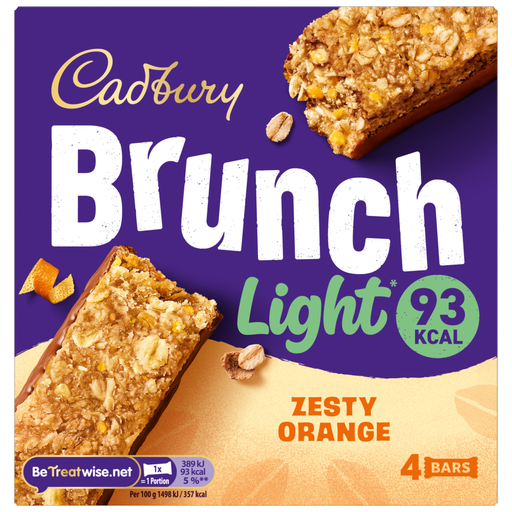
If the ‘Light’ name draws your attention, check fat per 100g rather than assuming it means legally low fat. The pack contains four bars weighing 104g in total; check its current nutrition and allergen information for the portion you would eat.
 No image available
For a portioned red-berry bar, the pack specifies six 21.5g bars. Compare the current per-100g fat and sugars figures with other products, then check the ingredients and allergens for this variant.
 No image available
If you prefer a chocolate-flavoured bar, compare this variant’s fat, sugars and saturates per 100g with the other bars you are considering. The pack specifies six 21.5g portions; check its current allergen information too.
 No image available
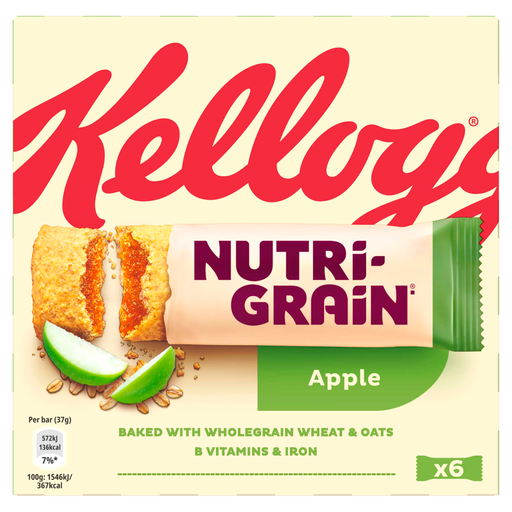
For an apple-flavoured breakfast-bar option, this pack contains six bars weighing 222g in total. Check fat and sugars per 100g before comparing it with smaller bars, and read the current ingredients and allergen statement.
No. Department of Health guidance on UK nutrition claims sets the ‘low fat’ condition for solid foods at no more than 3g fat per 100g. Weetabix Cereals declares 4.3g per 100g for Alpen Light Summer Fruit and 6.5g for Chocolate & Fudge, so neither meets that condition, even though Summer Fruit has less fat than the other named bars compared here.
Start with fat per 100g to compare different-sized bars, then use the serving weight and per-serving figure to understand your portion. Weetabix Cereals gives a 19g bar for Alpen Light Summer Fruit, whereas Nature Valley UK gives a two-bar 42g portion for its Crunchy Variety Family Pack.
No special breastfeeding diet is needed, according to NHS guidance, which advises eating a varied, balanced diet. A cereal bar can be a snack if it suits your circumstances; if you think a food is affecting your baby, the NHS advises discussing it with a GP or health visitor.
Read the current pack’s ingredients and any precautionary ‘may contain’ statement for the exact bar or flavour. The examined products differ: Weetabix Cereals lists milk, soya and cereals in the two Alpen Light bars, while Nature Valley UK lists oats and soya in its Crunchy Variety Family Pack and warns that it may contain wheat, peanuts and tree nuts.
No. Those descriptions do not establish a bar’s total fat, sugars or saturates. Compare the exact products’ nutrition figures per 100g and check the serving size; Nature Valley UK’s examined Crunchy Variety Family Pack, for example, declares 18.1g fat per 100g, compared with Weetabix Cereals’ 4.3g for Alpen Light Summer Fruit.