Parents hosting a children's party
Compare total fat on a per-100g basis, then check sugars, saturates and the size of each bar before deciding how to serve them.


For a lower-fat choice among the directly compared bars, Alpen Light Summer Fruit has 4.3g total fat per 100g, compared with 6.3g for Kellogg's Special K Red Berry Bar and 8.0g for Nature Valley Oaty & Crispy Honey, according to their published product information. None meets the NHS food-label benchmark of 3g fat or less per 100g for a low-fat food. Before sharing bars, compare sugars, saturates and serving sizes too; for a party at an English school, check the school's allergy policy and each pack's allergen information.
Compare total fat on a per-100g basis, then check sugars, saturates and the size of each bar before deciding how to serve them.
Ask for the school's allergy arrangements before packing food. Department for Education guidance for England says schools must publish a policy covering how they reduce contact with known allergens.
Check each flavour's ingredient, allergen and may-contain information against guests' requirements. A lower total-fat figure does not establish allergen suitability.
Start with total fat per 100g to compare bars of different sizes, then consider the rest of the nutrition panel and the requirements of the people who will eat them.
| Priority | What to check | Your needs |
|---|---|---|
| Total fat | Compare total fat per 100g, not just per bar. NHS food-label guidance uses 3g fat or less per 100g as its low-fat benchmark; a bar can have less fat than another without meeting it. | I'm looking for less total fat among the bars I'm considering, without assuming that a pack marked 'light' is low fat. |
| Other nutrition figures | Read sugars and saturates per 100g alongside total fat. Check the per-bar serving figure separately when planning what to put out. | The total-fat comparison matters to me, but I also want to see what each recipe lists for sugars and saturates. |
| Allergens | Check the exact flavour's ingredients, allergen declaration and may-contain wording. For an English school party, ask for its allergy arrangements before bringing food. | Before I share bars, I need to know guests' requirements and whether the host or school has restrictions on food brought in. |
Weetabix Cereals lists 4.3g fat per 100g for Alpen Light Summer Fruit. That is above the NHS low-fat food-label benchmark of 3g or less per 100g.
Use the per-100g figure to describe how a bar compares with the specific alternatives you have checked, rather than treating its name as a nutrition figure.
Nature Valley lists 17.9g fat per 100g for its Crunchy Apple & Cinnamon bar despite its high-fibre positioning. Tesco and ASDA list 22g and 23g per 100g respectively for the cited Graze Cherry Bakewell and Peanut Butter Oat Boost variants.
Read total fat, saturates and sugars from the nutrition panel for the exact flavour, rather than extending a claim about one attribute to another.
The cited product information identifies allergens or may-contain warnings across different bars. For school food in England, Department for Education guidance also calls for published arrangements to reduce contact with known allergens.
Confirm guests' requirements and any school or host restrictions, then check the current pack. Repeat that check if you switch flavours.
These examples show why the range name alone cannot settle a lower-fat or allergen decision; compare the particular bar you intend to serve.
Alpen Light Summer Fruit provides a directly comparable lower-total-fat example.
Special K Red Berry Bar is another cereal-and-fruit example for a per-100g comparison.
Nature Valley bars vary by recipe, so neither an oat-bar format nor a fibre claim establishes lower total fat.
Oat Boost flapjacks are worth assessing by their nutrition panels rather than by reduced-sugar positioning.
Eat Natural lists bars in several dietary formats, including vegan and gluten-free options.
These cereal-bar and soft oaty-bar options offer different flavours, pack formats and age markings for a children's party. Check each exact pack's nutrition and allergen information before choosing for a lower-fat brief or a particular guest list.
 No image available
For sharing at a party, compare the pack's total fat per 100g rather than relying on 'Light' in the name. Check its current nut may-contain wording against guests' requirements.
 No image available
The multipack gives you individual bars to offer guests. Compare the nutrition figures on this exact 21.5g-bar pack, and check its label for wheat, oats, barley, milk and soya before sharing.
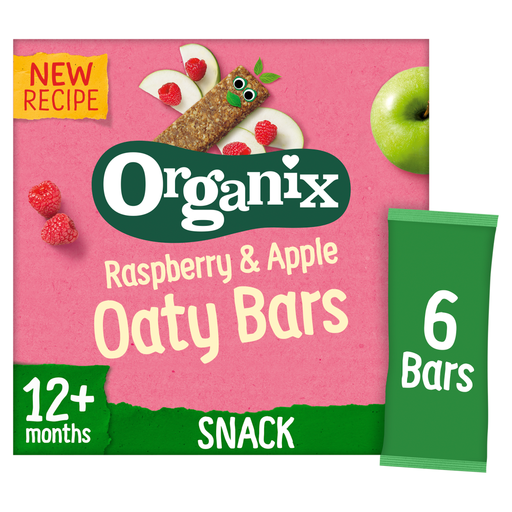 No image available
For a party with younger children, check whether the stated 12+ months age marking and soft oaty format suit the guests. Compare fat per 100g and read the current pack's allergen information before serving.
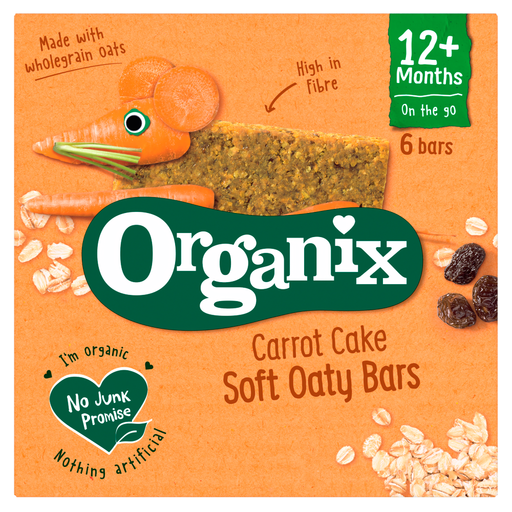 No image available
The 12+ months marking may be relevant when planning food for younger guests. Check total fat per 100g for the lower-fat brief; the stated may-contain warning for tree nuts, soya and milk also needs checking against guests' requirements.
 No image available
These individual bars offer a chocolate-flavoured option for the party. Compare total fat and sugars on this pack's nutrition panel, and check its allergen declaration for wheat, barley, oats, milk and soya.
No. NHS food-label guidance sets its low-fat benchmark at 3g fat or less per 100g. Weetabix Cereals lists 4.3g per 100g for Alpen Light Summer Fruit, Kellogg's UK lists 6.3g for Special K Red Berry Bar, and Joybuy lists 8.0g for Nature Valley Oaty & Crispy Honey. Alpen is lower in total fat than those two examples, but it does not meet that benchmark.
No: those claims do not give the total-fat figure. Joybuy lists 8.0g fat per 100g for Nature Valley Oaty & Crispy Honey, while Nature Valley lists 17.9g for its high-fibre Crunchy Apple & Cinnamon bar. Compare the per-100g nutrition panels of the exact bars you are considering.
Ask the school about its allergy arrangements and any rules for food brought in, then check the exact pack against the children's known requirements. Department for Education guidance for England says schools must publish an allergy safety policy covering arrangements to reduce contact with known allergens; it does not make every cereal bar suitable for every school.
Use per 100g for a like-for-like comparison of recipes, then check the per-bar information when deciding what to serve. NHS food-label guidance explains that nutrition information is given per 100g and sometimes per portion; Weetabix Cereals, for example, identifies one Alpen Light Summer Fruit bar as 19g.