Tea-break snackers comparing fat
If you want a small cereal bar with tea, compare the finished bars’ total fat rather than relying on wholegrain wording or the description of one ingredient.


Among three bars compared using their manufacturers’ UK nutrition panels, Kellogg’s Special K Red Berry Bar has the lowest declared total fat: Kellogg’s UK lists 6.3g per 100g and 1.7g per 27g bar. The Joybuy Red Berry pack lists 21.5g bars, so do not apply the 27g bar’s serving figures to it; check the exact pack’s fat, sugars and allergens, and do not assume that any of these products makes a reduced-fat claim for the finished bar.
If you want a small cereal bar with tea, compare the finished bars’ total fat rather than relying on wholegrain wording or the description of one ingredient.
Sugars per bar, serving size and the current allergen declaration can change which pack meets your requirements, even when one bar has less total fat.
A small fruit-and-cereal bar and a two-bar oat serving are different quantities. The per-100g panel helps compare their composition; the serving panel shows the amount in the portion you plan to eat.
Start with total fat per 100g, then look at the serving you would actually have with tea. Check sugars and the current pack declaration before deciding between products.
| Priority | What to check | Your needs |
|---|---|---|
| Total fat | Compare the finished bars per 100g. Kellogg’s UK lists 6.3g for Special K Red Berry and 8.3g for Nutri-Grain Apple; Nature Valley UK lists 18.1g for Crunchy Variety. These figures compare those products, not every cereal bar. | I want to compare like with like before choosing a bar for my tea break. |
| Sugars | Read sugars alongside fat on the same pack, using the stated serving. Kellogg’s UK lists 7.6g sugars per 27g Special K Red Berry bar and 12g per 37g Nutri-Grain Apple bar. | A lower-fat figure alone does not settle my choice; I also want to know how much sugar is in the bar I would eat. |
| Serving size | Check whether the panel describes one bar or a two-bar serving. The manufacturer-listed servings are 27g for Special K Red Berry, 37g for Nutri-Grain Apple and two bars weighing 42g for Nature Valley Crunchy Variety. | For a short break, I may choose a single bar rather than a stated two-bar serving. I’ll compare the portions as well as the per-100g figures. |
| Allergens | Read the ingredient and allergen declaration on the exact current pack, including any precautionary wording relevant to your requirements. | If I’m buying for someone with an allergy or a specific dietary requirement, that declaration matters regardless of the fat comparison. |
Fat-reduced cocoa appears in a flavour of the Nature Valley variety pack, but Nature Valley UK lists 18.1g total fat per 100g for its Crunchy Variety product. The ingredient wording does not describe the finished bar’s total fat.
Use the finished product’s nutrition panel to compare total fat per 100g and per stated serving.
Kellogg’s UK lists 7.6g sugars in a 27g Special K Red Berry bar and 12g in a 37g Nutri-Grain Apple bar. A lower total-fat figure is not a comparison of every nutrient.
Check fat, sugars and serving size together on the current pack.
The manufacturer-listed servings in this comparison range from a 27g single bar to a 42g two-bar serving. Per-serving figures describe different amounts of food.
Compare per 100g first, then check the figures for the portion you expect to eat.
A nutrition comparison cannot establish whether a bar meets someone’s allergy or dietary requirements, and declarations can differ between products and recipes.
For an allergy-related purchase, read the declaration on the exact physical pack.
These brand examples describe particular product lines and manufacturer-listed products, not every bar each brand makes.
Kellogg’s UK provides nutrition panels for Special K Red Berry Bar and Nutri-Grain Apple, two differently sized bars in this comparison.
Nature Valley UK lists Crunchy Variety as a two-bar oat serving, giving it a different portion format from the single bars above.
Alpen’s UK product page describes its muesli range, including a No Added Sugar muesli.
These cereal-bar packs offer different flavours and portion formats for a morning tea break. The manufacturer-listed 27g Special K Red Berry bar discussed above is not the same size as the 21.5g bars in the Joybuy pack below; compare nutrition and allergens on each exact pack before treating it as a lower-fat choice.
 No image available
The 21.5g bars provide a single-bar option for a tea break. Check this pack’s own nutrition and allergen declarations; the figures for Kellogg’s manufacturer-listed 27g bar are not its per-bar figures.
 No image available
This orange-flavoured four-pack offers another tea-break format. “Light” is part of its product name; compare the finished bars’ total fat, sugars and stated serving on the pack rather than taking the name as a nutrition comparison.
 No image available
These 21.5g chocolate-flavoured bars are a single-bar tea-break option. Use this variant’s own nutrition panel when comparing it with the Red Berry pack; their names do not establish identical fat or sugar values.
 No image available
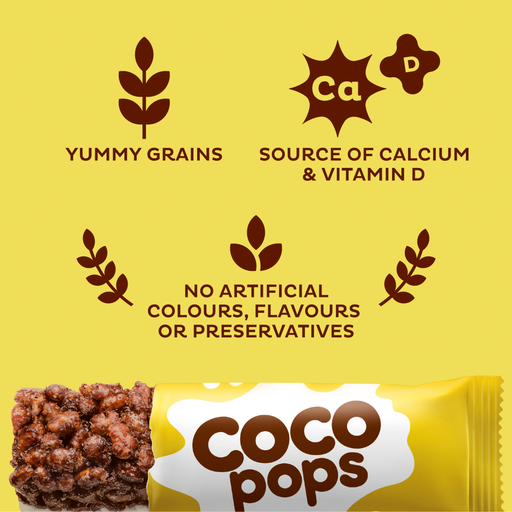
The pack contains four 20g chocolate cereal bars. If portion size matters for your tea break, compare its per-bar figures as well as fat and sugars per 100g with the other packs.
No conclusion about the finished bar follows from that ingredient wording alone. A flavour of the Nature Valley variety pack lists fat-reduced cocoa, while Nature Valley UK declares 18.1g total fat per 100g for its Crunchy Variety product. Compare the finished bar’s nutrition panel.
Kellogg’s UK lists 6.3g fat per 100g for its 27g Special K Red Berry Bar, compared with 8.3g for Nutri-Grain Apple; Nature Valley UK lists 18.1g for Crunchy Variety. Special K is the lower-fat choice within those three products, not a claim about every cereal bar or the differently sized Joybuy Red Berry pack.
Use both: per 100g puts differently sized products on the same basis, while per-bar or per-serving figures describe the portion you plan to eat. The three manufacturer-listed servings here are 27g, 37g and two bars weighing 42g, so their serving figures are not equal-portion comparisons.
Total fat does not describe a bar’s sugar content. Kellogg’s UK lists 7.6g sugars per 27g Special K Red Berry bar and 12g per 37g Nutri-Grain Apple bar; read both nutrients for the exact serving you are considering.
For an allergy-related purchase, check the declaration on the exact physical pack. Ingredients and precautionary wording differ between products, and a previous online listing may not describe the pack you receive.