What to check before buying
Start with the occasion: a snack for ordinary training need not meet the same priorities as one chosen for carbohydrate loading before a marathon.
| Priority | What to check | Your needs |
|---|
| Carbohydrate per bar |
Read the carbohydrate figure per serving, not just per 100 g. Kellogg’s UK lists 15 g carbohydrate in a 20 g Rice Krispies Snack Bar. |
I want to know what one bar contributes to my wider food plan, rather than treating it as the whole plan. Durham University cites 7–12 g carbohydrate per kg of body weight in each 24-hour period for marathon carbohydrate loading. |
| Fat and fibre |
Compare total fat per 100 g and per bar; check the fibre figure on the same product. Welsh Athletics recommends lower-fat, lower-fibre options for pre-marathon carbohydrate loading. |
For a snack close to the marathon, I would check whether its fat and fibre fit the food I have tolerated in training. For an everyday snack, those pre-marathon priorities need not determine the choice. |
| Ingredients |
Read the current ingredients and allergen information for the exact flavour, including any precautionary statement relevant to you. |
If I need to avoid a particular ingredient, the name of a brand or cereal range is not enough to establish that this bar is suitable. |
| Timing and portion |
Check the bar’s serving size and try the exact product during training before planning to use it on race day. |
A familiar, portable portion matters more to me before a run than choosing a new bar solely because its nutrition figures look suitable. |
Brand references
Nutrition varies by product within a brand, so compare exact bars rather than applying one range’s figures to another.
Nature Valley
Its oat, oat-and-crispy and protein bars have different declared fat levels.
- Joybuy UK lists 8.0 g fat and 68.8 g carbohydrate per 100 g for Oaty & Crispy Honey.
- Nature Valley UK lists 18.1 g fat per 100 g for Crunchy Oats & Honey; Joybuy UK lists 28.3 g per 100 g for Protein Peanut & Chocolate. Neither has the same fat profile as Oaty & Crispy Honey.
Kellogg’s
Its Rice Krispies Snack Bar provides an example of a small cereal-bar portion.
- Kellogg’s UK lists 2.2 g fat and 15 g carbohydrate per 20 g Rice Krispies Snack Bar.
- Check the ingredients of the exact Kellogg’s product you choose; the Rice Krispies figures do not apply to every bar in its ranges.
Graze
Graze describes its Oat Boost range using its own sugar and saturated-fat comparisons.
- Those brand comparisons do not establish the total fat or carbohydrate in an individual flavour. Check its current nutrition panel for the serving you would eat.
Trek
An oat protein flapjack is a different choice from a small cereal bar when comparing portions.
- Myprotein UK lists 21.1 g carbohydrate and 10.2 g protein per 50 g Trek Original Oat Protein Flapjack.
- The same listing gives 9.8 g fat per bar. Compare that serving with your priorities for the occasion rather than assuming a protein flapjack is lower in fat.
Alpen
A familiar range name is not a substitute for identifying a current, exact bar.
- Alpen’s own FAQ lists several Alpen Light bars as no longer made. Confirm the exact product and its current pack information before relying on an older listing.
Joybuy cereal and snack bars
These Kellogg’s and Special K bars offer cereal-based snack options to compare by serving size, fat, fibre and carbohydrate. Check each current pack before choosing one for a particular training or pre-marathon occasion.
 No image available
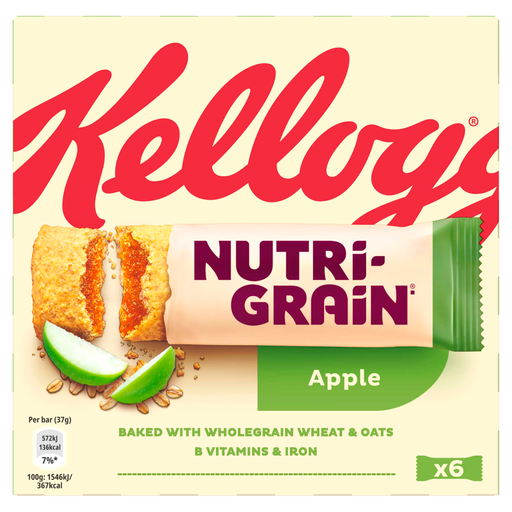
Kellogg’s Nutri Grain Apple Fruity Breakfast Bars, 6 pack
For a portable training snack, check the carbohydrate, fat and fibre per bar against the time you plan to eat it. The listed pack contains six bars and weighs 222 g; one bar should not stand in for a full marathon-fuelling plan.
 No image available
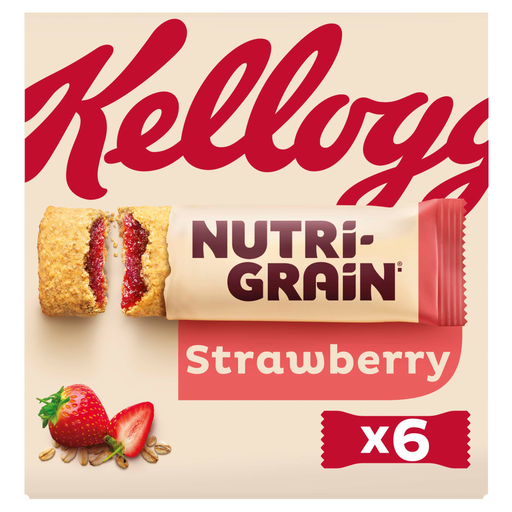
Kellogg’s Strawberry Nutri Grain Bars, 6 pack
If you prefer strawberry, compare this bar’s per-serving nutrition and ingredients with a snack you already know you tolerate. The listed pack contains six bars and weighs 222 g; keep the bar within a wider food plan.
 No image available
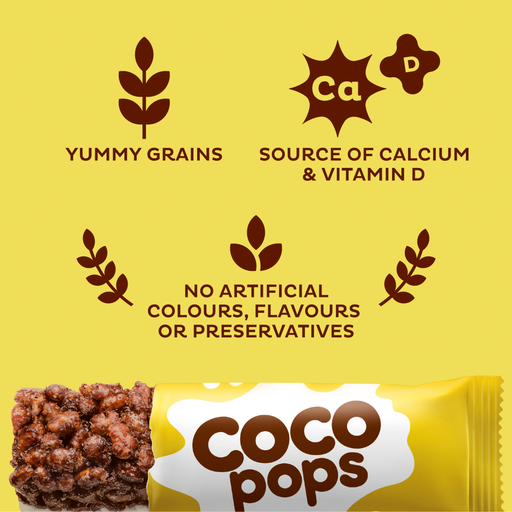
Kellogg’s Coco Pops Chocolate Cereal Bars, 4 x 20 g
The 20 g portion makes the per-bar carbohydrate figure worth checking when planning snacks before a run. Compare its fat, fibre and ingredients on the current pack; the listed pack contains four bars.
 No image available
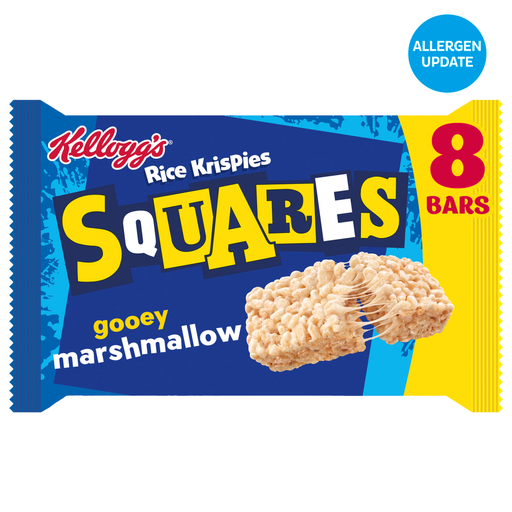
Kellogg’s Rice Krispies Squares Marshmallow, 8 x 28 g
For this marshmallow snack bar, use the exact product’s label to assess carbohydrate, fat, fibre and ingredient suitability before planning it for a run. The listed pack contains eight 28 g bars; it is not the same product as the Rice Krispies Snack Bar discussed above.
 No image available
Special K Dark Chocolate Snack Bars, 6 x 21.5 g
Compare fat and fibre as well as carbohydrate if considering this bar for the period before a marathon; a suitable everyday snack need not suit every pre-run plan. The listed pack contains six 21.5 g bars.
Questions about cereal bars and marathon preparation
Can one lower-fat cereal bar replace a carbohydrate-loading plan?
No. A bar can contribute a snack, but it cannot replace the meals and snacks in a wider plan. Durham University cites 7–12 g carbohydrate per kg of body weight in each 24-hour period for marathon carbohydrate loading; check a bar’s per-serving figure to see what it contributes.
Why check fat as well as carbohydrate before a marathon?
Welsh Athletics recommends lower-fat, lower-fibre options for pre-marathon carbohydrate loading. That advice concerns this particular period, not every snack eaten during ordinary training; compare both figures on the exact bar.
Should I try a new cereal bar on marathon morning?
Plan to use food you have already tested during training instead. Huel’s pre-marathon guidance recommends trying race-day nutrition on training runs, ideally longer ones, so check the exact bar in advance.
Which allergen information matters when choosing a cereal bar?
Read the current ingredients and allergen information for the exact product and flavour. GOV.UK guidance identifies cereals containing gluten, milk, peanuts, tree nuts and soybeans among the allergens for which food businesses must provide information; do not assume two bars from the same brand have identical ingredients.


