Office lunch packers comparing fat content
If you take a bar to work, the fat figure per 100g helps you distinguish a low-fat claim from a smaller serving or a lighter-sounding product name.


For an office packed lunch, compare cereal bars by total fat per 100g before looking at the amount in one bar. Under the UK nutrition-claims rules published on legislation.gov.uk, a solid food can carry a low-fat claim only if it contains no more than 3g fat per 100g; a small portion or a name such as “Light” does not establish that it meets the threshold. Check saturates, sugars, serving size and allergens on the current pack as well.
If you take a bar to work, the fat figure per 100g helps you distinguish a low-fat claim from a smaller serving or a lighter-sounding product name.
Comparing total fat, saturates and sugars together matters when a bar also draws attention to wholegrains, fibre or protein. Those claims answer different questions from how much fat the bar contains.
If cereals, milk, soya or nuts affect what you can pack, check the exact flavour’s ingredients and any may-contain statement. GOV.UK guidance says allergens that must be declared are emphasised in the ingredients list.
Start with fat per 100g to compare different-sized bars, then look at the portion you would pack and the rest of its label. In the Food Standards Agency and Ipsos Northern Ireland’s 2024 tracker survey, 49% of the 611 adults interviewed said they actively used traffic-light labels when shopping for food; that figure describes label use, not a preference for lower-fat cereal bars.
| Priority | What to check | Your needs |
|---|---|---|
| Fat claim | Read the exact claim and total fat per 100g. The UK low-fat threshold for solid foods is no more than 3g per 100g, according to the nutrition-claims rules published on legislation.gov.uk. | I want to know whether a bar meets the low-fat threshold, rather than relying on its name or another nutrition claim. Traffic-light labels are one way to inspect the figures: 49% of adults interviewed in the Food Standards Agency and Ipsos Northern Ireland’s 2024 tracker survey said they actively used them when food shopping. |
| Whole nutrition panel | Compare total fat, saturates and sugars per 100g across similar bars. Check the same figures for the stated serving rather than using a fibre or protein claim as a substitute. | A wholegrain or protein bar may appeal to me, but I still want to see its fat, saturates and sugars before putting it in my lunch. |
| Lunch portion | Check the weight of a bar, the declared serving size and whether that serving includes more than one bar. Use the per-100g figures alongside the amount you expect to eat. | If I pack one bar, I want its per-bar figures; if the suggested serving is two bars, I need to notice that before comparing packs. |
| Ingredients | Read the current ingredients list, emphasised allergens and any may-contain statement. Recheck a different flavour or a newly bought multipack. | My lunch needs to fit my ingredient requirements, even if another flavour from the same range has worked for me before. |
Those descriptions do not give the bar’s total-fat figure. For example, Nature Valley UK lists 18.1g fat per 100g for its Crunchy Variety Pack.
Use the claims to identify a format you like, then compare fat, saturates and sugars on the exact product.
Different bar weights can make per-bar figures difficult to compare. GOV.UK identifies per 100g as the standard basis for the nutrition declaration.
Compare per 100g first, then use the declared serving size to work out which figures apply to your packed lunch.
Recipes and may-contain statements can differ between products and flavours, so a range name cannot settle an allergen question.
Read the current pack’s emphasised allergens and may-contain statement for the exact bar before packing it.
Nature Valley and Kellogg’s advise shoppers to check current packs because product information can change.
When you buy a new multipack, check its serving size, fat, saturates, sugars and ingredients against the figures you intended to use.
These examples show why the exact product and serving matter; a figure for one flavour or pack is not a figure for an entire brand.
Nature Valley’s Crunchy Variety Pack is a wholegrain-oat granola-bar option.
The Special K range includes individually portioned cereal bars; nutrition figures depend on the exact bar.
Graze describes its Oat Boost products as wholegrain-oat flapjacks.
Tesco Groceries describes TREK Smooth Lemon as a vegan, gluten-free plant-protein flapjack.
A Tesco Groceries listing describes Eat Natural’s Dark Chocolate Mixed Seeds & Peanut product as bars made with nuts, fruit and mixed seeds.
Alpen’s UK product collection presents Original and No Added Sugar mueslis.
These cereal and breakfast bars come in multipacks that could be packed for an office lunch. Compare the current fat figures per 100g before treating any of them, including a bar named “Light”, as a lower-fat choice.
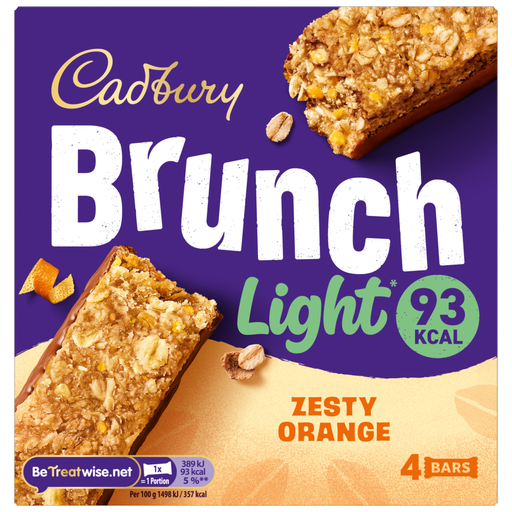 No image available
The orange-flavoured 4-pack offers separate bars to take to work. Check total fat per 100g on the current pack: “Light” in the product name does not establish a UK low-fat claim.
 No image available
This pack gives you a stated 21.5g bar size for planning a packed-lunch portion. Compare its own fat and sugars per 100g; figures for a different-sized Red Berry bar cannot be transferred to this pack.
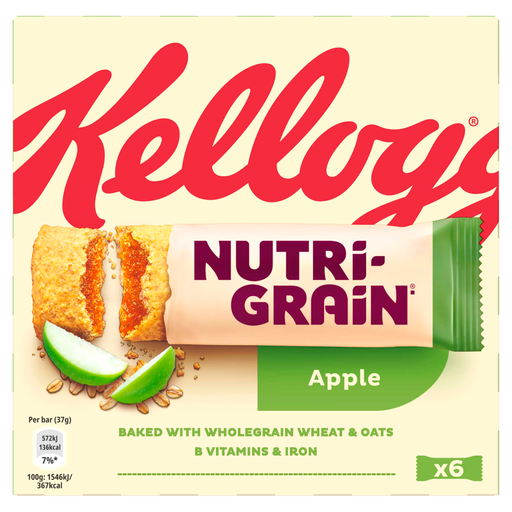 No image available
If you prefer an apple-flavoured breakfast bar in your office lunch, compare this pack’s fat, saturates and sugars per 100g with the other formats you are considering. Use its stated serving information for the amount you would pack.
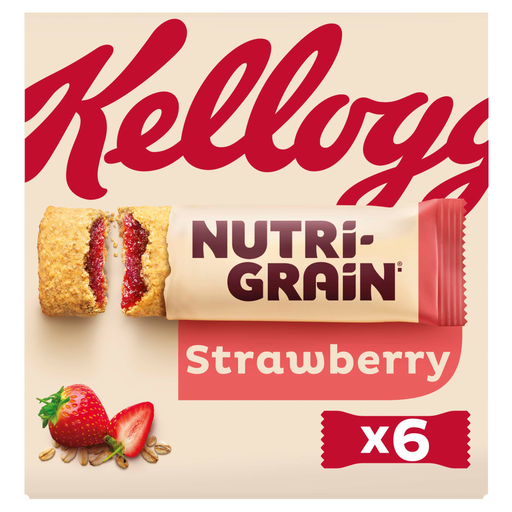 No image available
This strawberry variant is another multipack format to consider for work. Compare its current per-100g nutrition figures with the apple variant rather than assuming two Nutri-Grain flavours have identical recipes.
 No image available
The stated 21.5g bar size helps you plan what to pack, while the dark-chocolate variant gives you a different flavour choice. Check its own fat, saturates and sugars per 100g rather than using figures for Red Berry.
No. Under the UK nutrition-claims rules published on legislation.gov.uk, a low-fat claim for a solid food requires no more than 3g fat per 100g. The words “reduced fat” do not by themselves tell you that a bar meets that low-fat threshold, so check the exact claim and nutrition declaration.
Use both: per 100g lets you compare bars of different sizes, while the serving figure describes the portion you intend to pack. GOV.UK identifies per 100g as the standard basis for the nutrition declaration; a smaller bar’s per-serving figure should not replace that comparison.
Yes. A wholegrain or protein description does not specify total fat, saturates or sugars. Nature Valley UK, for example, lists 18.1g fat per 100g for its Crunchy Variety Pack, so inspect the full panel for the particular bar you want.
Read the current ingredients list, its emphasised allergens and any may-contain statement for the exact flavour. GOV.UK guidance says allergens that must be declared are emphasised in ingredients lists; a familiar brand or a different flavour is not a substitute for checking the pack you will eat.
Yes. Nature Valley and Kellogg’s advise checking current packs because recipes and declarations may change. Review the serving size, nutrition figures and ingredients when you buy a new pack, particularly if fat content or allergens determine your choice.