Parents comparing packaged snacks
If fat content matters to your choice, the per-100g figure lets you compare bars of different sizes. The per-bar figure then shows what the wrapped portion contains.


For an after-school cereal bar, compare fat per 100g, then check the amount in the bar your child would eat; a small portion or a light-sounding name does not establish a low-fat claim. ASDA Groceries lists Kellogg's Special K Juicy Red Berry at 7.7g fat per 100g, compared with 11g for the Rice Krispies Cereal & Milk Bar listed by Kellogg's UK and 18.1g for Nature Valley Crunchy Oats & Honey listed by Nature Valley UK. Check the current wrapper and any relevant school allergen policy before packing a bar; the NHS identifies fruit and vegetables as its preferred snack choice for children.
The useful comparison depends on whether you are choosing a portion, comparing nutrition labels or checking whether a snack can go into a school bag.
If fat content matters to your choice, the per-100g figure lets you compare bars of different sizes. The per-bar figure then shows what the wrapped portion contains.
Cereal bars can contain different cereals, milk, soya or nuts, and some carry precautionary allergen statements. Read the current wrapper and check the individual school's policy before packing one.
A packaged bar can be convenient when a portable snack is needed. For an everyday choice, keep the NHS's guidance in mind: it identifies fruit and vegetables as the preferred snacks for children.
Start with comparable nutrition figures, then consider the portion your child would eat and whether the current pack meets any allergen requirements.
| Priority | What to check | Your needs |
|---|---|---|
| Fat content | Compare fat per 100g across the exact products. For food, the Advertising Standards Authority and Committee of Advertising Practice give a maximum of 3g fat per 100g for a “low fat” claim; being lower than another bar is not the same claim. | I want to compare different-sized bars without mistaking a smaller portion for a lower-fat recipe. |
| Portion size | Read the stated bar weight and fat per serving as well as per 100g. ASDA Groceries lists 1.7g fat per 21.5g Kellogg's Special K Juicy Red Berry bar; Nature Valley UK lists 7.6g per 42g two-bar serving of Crunchy Oats & Honey. | A pack may contain one bar or a two-bar serving, so I want to know what the snack portion actually includes. |
| Other nutrition figures | Read sugars, fibre and energy on the same product label. A calorie figure, wholegrain wording or a lower-sugar comparison does not tell you its fat content. | If I'm choosing between sweet snacks, I want to consider more than the number printed most prominently on the front. |
| Allergens and school rules | Check the current ingredients, emphasised allergens and any “may contain” statement. Check the school's own policy before putting a bar in a school bag. | My choice has to fit the child's requirements and the rules that apply where the snack will be taken. |
| Snack format | Decide whether a wrapped bar is needed for this occasion. The NHS identifies fruit and vegetables as its preferred snack choice for children and advises checking labels when choosing packaged snacks. | Convenience matters on some afternoons, but I do not want to treat a cereal bar as nutritionally interchangeable with fruit or vegetables. |
A smaller bar can have a modest per-bar figure while containing more fat per 100g than the threshold for a low-fat claim. ASDA Groceries lists 7.7g fat per 100g for Kellogg's Special K Juicy Red Berry, although its 21.5g bar contains 1.7g.
Compare per-100g figures first, then use the per-bar value to judge the portion. The Advertising Standards Authority and Committee of Advertising Practice set the low-fat claim criterion for food at no more than 3g fat per 100g.
These descriptions address different characteristics. Nature Valley UK lists 18.1g fat per 100g for its Crunchy Oats & Honey bars, while Tesco Groceries lists 6.3g fat per 30g serving for Graze Lemon Blueberry Oat Boost.
Compare fat, sugars, fibre and serving size as separate figures on the current label rather than using one front-of-pack message to stand in for the others.
Flavours and product lines can have different cereal, milk, soya and nut declarations. A familiar name does not establish whether a particular bar meets a child's requirements or a school's rules.
Read the exact wrapper, including precautionary statements, whenever you choose a different flavour or multipack. Check the individual school's policy before packing it.
These examples show why the exact bar matters more than a brand-wide description; figures for one flavour should not be applied to another.
Two checked Kellogg's lines illustrate the difference between products: ASDA Groceries lists Special K Juicy Red Berry at 7.7g fat per 100g, while Kellogg's UK lists the Rice Krispies Cereal & Milk Bar at 11g per 100g.
Iceland Foods lists Alpen Light Salted Caramel at 5.9g fat per 100g. Its comparison against typical cereal bars was verified in November 2018, so use the current pack rather than that historical comparison for a present-day decision.
Nature Valley UK lists 18.1g fat per 100g for Crunchy Oats & Honey and 7.6g per 42g two-bar serving.
Graze Lemon Blueberry Oat Boost is an oat-based flapjack; Tesco Groceries lists 6.3g fat per 30g serving.
Myprotein UK lists Trek Cocoa & Oat Protein Flapjack at 22g fat per 100g and 11g per 50g bar. Its protein-focused positioning serves a different comparison from lower fat.
For an Eat Natural fruit-and-nut bar, choose by the exact flavour and current pack rather than assuming the range meets a lower-fat requirement.
These Joybuy options include cereal bars for comparing after-school portions and labels, plus a fruit-and-nut bar as a different portable format. Compare each exact product rather than treating every option here as a reduced-fat cereal bar.
 No image available
The stated 21.5g bar size is useful when comparing a wrapped snack portion with larger bars. Check fat per 100g and per bar on the current pack, along with its cereal, milk and soya allergen declarations.
 No image available
This chocolate-flavoured option has a stated 21.5g bar size. Compare its own fat and sugars figures with the Red Berry variant rather than assuming two Special K flavours have the same recipe; check the current allergen declaration too.
 No image available
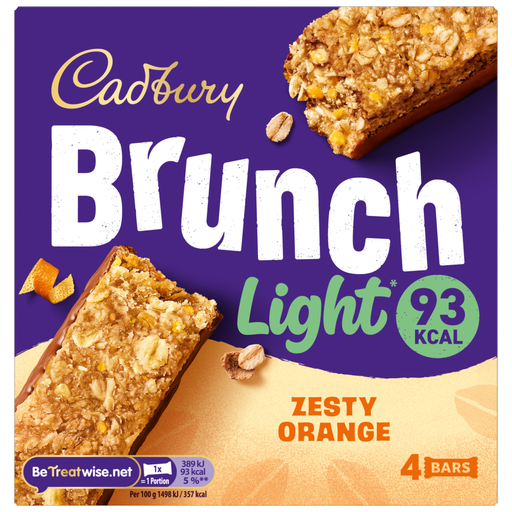
Use the nutrition label, not “Light” in the name, to decide how this orange-flavoured bar compares on fat. The pack is stated as four bars weighing 104g in total; read its serving figures and current allergen statements before packing one.
 No image available
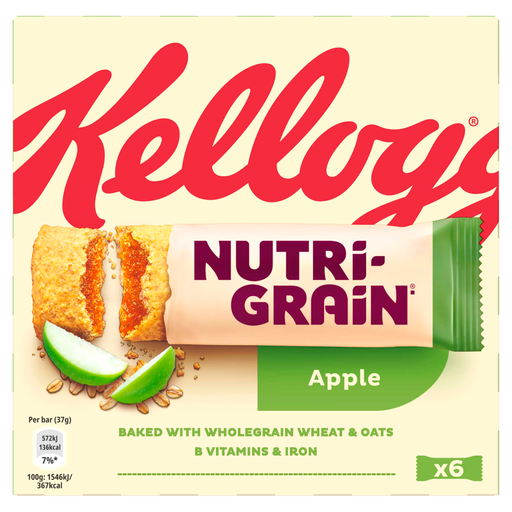
This apple-flavoured breakfast-bar format is another portable option, but its name does not establish a lower-fat comparison. The six-pack weighs 222g in total; check the stated serving size, nutrition figures and current cereal, milk and nut-related allergen information.
 No image available
This is a fruit-and-nut bar rather than a cereal-bar version of the lower-fat comparison. The pack contains four 35g bars; check its fat figure and nut declarations against the child's requirements and any school policy.
No. The Advertising Standards Authority and Committee of Advertising Practice state that a “low fat” claim for food requires no more than 3g fat per 100g. ASDA Groceries lists Kellogg's Special K Juicy Red Berry at 7.7g per 100g: it has less fat per 100g than some bars compared here, but it does not meet that low-fat criterion.
Use both figures. Fat per 100g lets you compare products with different portion sizes; fat per bar tells you what the stated snack portion contains. ASDA Groceries lists 1.7g fat in a 21.5g Kellogg's Special K Juicy Red Berry bar, while Nature Valley UK lists 7.6g in a 42g two-bar serving of Crunchy Oats & Honey.
A cereal bar can be a convenient packaged choice, but the NHS identifies fruit and vegetables as the preferred snacks for children. When choosing a packaged bar, read its portion and nutrition label rather than assuming it offers the same thing as fruit or vegetables.
Check the exact current wrapper and the individual school's policy first. The checked Nature Valley Crunchy Oats & Honey product contains oat gluten, while the checked Kellogg's Special K Juicy Red Berry product lists barley, oats and wheat among its allergens; another flavour or recipe may differ.
No. The Trek Cocoa & Oat Protein Flapjack listing describes the product as vegan and gluten free but also gives precautionary warnings for sesame, peanuts, other nuts and milk. Read every relevant allergen statement for the exact bar being considered.