Hosts serving portioned snacks
You want bars that guests can pick up easily, while comparing fat per 100g rather than judging products by the size of one bar.


For a garden party, compare cereal bars by total fat per 100g before looking at a ‘light’ name or the amount in one bar. Among the five bars in the nutrition-panel comparison below, Tesco lists Skinny Crunch Light Salted Caramel at 4.2g fat per 100g and Kellogg’s lists Special K Red Berry Bar at 6.3g; neither reaches the 3g-per-100g condition for a low-fat claim on solid food given by Food Standards Scotland. Portion size, allergens and the current pack’s storage instructions also matter when serving guests.
You want bars that guests can pick up easily, while comparing fat per 100g rather than judging products by the size of one bar.
Your main comparison is the amount of total fat in each product. A bar can have less fat than another without meeting the condition for a low-fat claim.
You need guests to be able to check the ingredients and allergen statements on their exact bar, particularly when offering products containing cereals, milk, soya or nuts.
Compare the nutrition panels on the same per-100g basis, then consider the portion and how you will offer the bars to guests.
| Priority | What to check | Your needs |
|---|---|---|
| Total fat | Compare total fat per 100g across products. Food Standards Scotland gives no more than 3g fat per 100g as the condition for a low-fat claim on solid food. | I’m choosing chiefly by fat content, so a ‘light’ name alone will not settle the comparison. |
| Portion size | Read the weight of one bar and its per-bar nutrition values after comparing per 100g. A smaller portion does not establish a lower-fat recipe. | For a shared snack table, I want to know both what is in one bar and how bars of different sizes compare. |
| Other nutrition values | Compare saturates, sugars and fibre on the same per-100g basis. Use a traffic-light label, where present, alongside the full nutrition panel. | Fat is my starting point, but I also want to see what differs elsewhere on the label. |
| Allergens | Check the current ingredients and ‘may contain’ statements for each exact product. Keep its wrapper or outer pack available for guests to read. | When guests have different dietary needs, I want them to identify the bar before taking it. |
| Serving outdoors | Read each pack’s storage instructions and keep the product information with the bars. Check that the portion format works for the way snacks will be served. | I need bars that are straightforward to offer at a garden party without losing the label information. |
Tesco lists Skinny Crunch Light Salted Caramel at 4.2g fat per 100g. That is above the 3g-per-100g condition Food Standards Scotland gives for a low-fat claim on solid food.
Check the per-100g total-fat value and what, if anything, a pack compares the product with.
Bars of different weights can have different amounts of fat per portion even when their per-100g figures tell a different story.
Use per 100g for the product comparison, then use per-bar values to plan the portions you will serve.
Tesco lists 21g fat per 100g for TREK Smooth Lemon Protein Flapjacks and 28.4g for Eat Natural Peanuts, Almonds & Salted Caramel bars. Nature Valley lists 17.9g per 100g for its Crunchy Apple & Cinnamon bars.
Consider those products for their particular format or ingredients if those matter to your guests, rather than treating them as lower-fat substitutes.
Products in this category can contain cereals with gluten, milk, soya, peanuts or tree nuts, and some carry ‘may contain’ statements.
Leave individual wrappers or outer packs available so guests can check the current information for the bar they choose.
Skinny Crunch Light Salted Caramel is a useful reference for comparing total fat in small cereal bars.
The individual product matters: Kellogg’s cereal-bar ranges do not all have the same fat content.
Graze Oat Boost flapjacks are another oat-based format to consider when choosing the type of snack.
Crunchy oat bars offer a different texture, but their nutrition panels still need checking against a lower-fat brief.
Nut-based bars suit a different ingredient preference from a choice centred on less total fat.
TREK Smooth Lemon Protein Flapjacks are a protein-positioned option rather than the lower-fat route in this comparison.
An older Alpen Light bar reference is not a sound basis for choosing a current party snack.
These Joybuy options are cereal bars for a portioned garden-party selection. Their names and pack sizes identify the products; compare the current nutrition and allergen panels before choosing one for a lower-fat brief.
 No image available
For a Red Berry bar in a smaller portion size, compare this exact 21.5g variant’s fat per 100g and allergen label; do not substitute figures from a differently sized Special K bar.
 No image available
If offering a chocolate-flavoured option, check this product’s per-100g fat and saturates as well as the allergen information. The pack contains six 21.5g bars.
 No image available
For an orange-flavoured four-pack, use the nutrition panel to judge total fat per 100g: ‘Light’ in the product name does not establish that it meets a low-fat claim condition. Check allergens before serving.
 No image available
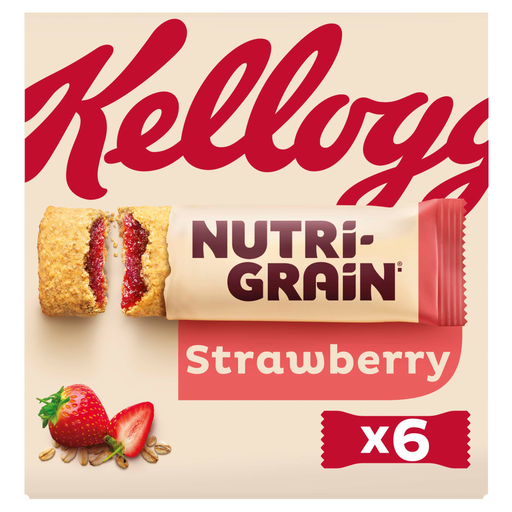
This strawberry six-pack is another portioned option for the table. Compare its stated fat per 100g with other bars rather than deriving a comparison from a per-bar figure; read the current allergen label too.
 No image available
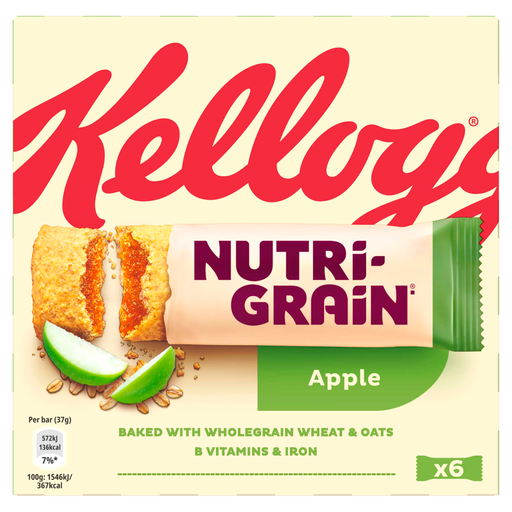
For an apple-flavoured choice, compare this exact six-pack’s per-100g nutrition panel with the other options. Keep its ingredients and allergen information available to guests.
Not necessarily. Food Standards Scotland gives no more than 3g fat per 100g as the condition for a low-fat claim on solid food. Tesco lists Skinny Crunch Light Salted Caramel at 4.2g per 100g: it has less total fat than the other four bars in the comparison discussed here, but exceeds that condition.
No. Check total fat per 100g and read any comparison on the pack. Morrisons says Skinny Crunch Light bars contain at least 20% less fat than Skinny Crunch bars, but that brand-range statement is not, by itself, proof that every bar named ‘light’ qualifies for a particular nutrition claim.
Keep each bar’s wrapper or outer pack available so guests can check the current ingredients and precautionary statements for the exact product. Bars considered here can contain cereals with gluten, milk, soya, peanuts or tree nuts; a product name or its position on the table is not a substitute for its label.
Follow the storage instructions on each exact pack. The product information for Nature Valley Crunchy Oats & Honey says to store it in a cool, dry place; keep packs dry and out of direct heat while they are being served.
No. Energy and total fat are different entries on a nutrition panel, and bar weights differ. Compare total fat per 100g to choose between products, then read the per-bar figures for the portion you plan to serve.