Desk-drawer snack buyers comparing fat
For someone who wants a portable cereal bar at work, total fat per 100g makes different-sized bars easier to compare. The amount per labelled serving then shows what is in the portion they plan to eat.


Among the named bars compared using manufacturer figures, Kellogg’s UK lists the 27g Special K Red Berry Bar at 6.3g total fat per 100g, below the figures listed by Nature Valley UK for Crunchy Oats & Honey and Eat Natural UK for Cashew & Blueberry. That comparison does not establish a “low fat” or “reduced fat” claim: the UK nutrition-claim conditions published by legislation.gov.uk set a maximum of 3g fat per 100g for a low-fat claim on solid food and require a reduction of at least 30% against a similar product for a reduced-fat claim. The Joybuy Red Berry multipack below lists a different bar weight, so compare its own nutrition panel rather than applying the 27g bar’s figures to it.
For someone who wants a portable cereal bar at work, total fat per 100g makes different-sized bars easier to compare. The amount per labelled serving then shows what is in the portion they plan to eat.
For someone choosing between a small bar and a larger oat-bar serving. Kellogg’s UK lists its Special K Red Berry Bar as 27g, while Nature Valley UK defines a Crunchy Oats & Honey serving as two bars weighing 42g.
For someone buying for themselves or a shared office who needs to check the exact variant’s ingredients and suitability statements. The named Nature Valley and Eat Natural bars have different nut, milk and other allergen considerations.
Compare fat on a per-100g basis first, then look at the portion you would actually eat and the current pack’s ingredients.
| Priority | What to check | Your needs |
|---|---|---|
| Total fat and claims | Read total fat per 100g. For UK nutrition claims, the annex published by legislation.gov.uk sets a 3g-per-100g maximum for “low fat” on solid food; “reduced fat” requires at least 30% less than a similar product. | I want to compare bars without treating “less fat than another bar” as a verified low-fat or reduced-fat claim. |
| Serving size | Check the bar weight, the number of bars in a labelled serving and fat per serving. Kellogg’s UK lists a 27g Special K Red Berry Bar; Nature Valley UK lists two Crunchy Oats & Honey bars as a 42g serving. | A single small bar may suit my afternoon break, or I may prefer the two-bar portion. I want to know which portion the nutrition figures describe. |
| Other nutrition figures | Compare sugars and energy for the same labelled portions. Kellogg’s UK lists 7.6g sugars and 104 kcal for its 27g Red Berry Bar; Nature Valley UK lists 11.3g sugars for its two-bar, 42g serving. | Fat is not the only number I care about when choosing between a small cereal bar and a larger oat-bar serving. |
| Ingredients and allergens | Read the exact pack’s ingredient, allergen and may-contain statements. Check any vegetarian, vegan, lactose-free or gluten-free wording against that variant rather than the brand name. | If bars will go in a shared office drawer, I need to check whether each variant fits the people who may eat it. |
A relative comparison does not, by itself, meet the UK claim conditions. The nutrition-claims annex published by legislation.gov.uk sets separate conditions for “low fat” and “reduced fat”.
Compare fat per 100g, and check any reduced-fat wording against the similar product used for that claim.
The manufacturer-listed Special K Red Berry bar is 27g, Nature Valley’s serving is two bars weighing 42g, and the named Eat Natural bars are 40g each. Portion figures alone therefore compare different amounts of food.
Use the per-100g figures for comparison, then check the figures for the portion you expect to eat.
Eat Natural UK lists 26.3g fat per 100g for Cashew & Blueberry and 30.1g per 100g for Hazelnut & Date. A bar’s ingredients or protein-bar format do not establish its total-fat content.
Check the exact variant’s nutrition panel if reducing total fat is your reason for choosing it.
Serving weights and ingredients differ between variants. Nut, milk and other allergen statements can be decisive when bars are bought for more than one person.
Check the pack you receive, including its serving definition and may-contain statement.
These examples help distinguish the named products and formats; a brand name alone does not establish a bar’s fat content or dietary suitability.
Kellogg’s UK lists its 27g Special K Red Berry Bar at 6.3g fat per 100g and 1.7g per bar.
Nature Valley UK lists Crunchy Oats & Honey as a two-bar, 42g serving made with wholegrain oats.
Graze describes its Oat Boost flapjacks in terms of sugar and saturated fat, rather than establishing a lower-total-fat choice among the named bars here.
Eat Natural UK lists fruit-and-nut bars including Cashew & Blueberry and Hazelnut & Date.
Tesco Groceries lists Trek protein flapjacks, including Salted Caramel, as vegan.
Alpen’s official FAQ identifies several former cereal-bar variants, including Alpen Light Bars Chocolate & Orange, as no longer made.
These multipacks provide small cereal-bar options for office snacking. Their pack names identify different variants and portion sizes; check each current nutrition panel before deciding which meets a lower-fat requirement.
 No image available
The pack lists six 21.5g bars for a small desk snack. Check this variant’s own fat per 100g and allergen information; the manufacturer figures for a 27g Red Berry bar describe a different pack size.
 No image available
This Orange variant is a four-pack weighing 104g in total. “Light” is part of its product name; check the current pack’s nutrition and claim wording rather than treating the name as a total-fat comparison.
 No image available
The pack lists six 21.5g Dark Chocolate bars, making portion size straightforward to identify. Compare this variant’s fat per 100g and ingredients with any fruit-flavoured bar you are considering.
 No image available
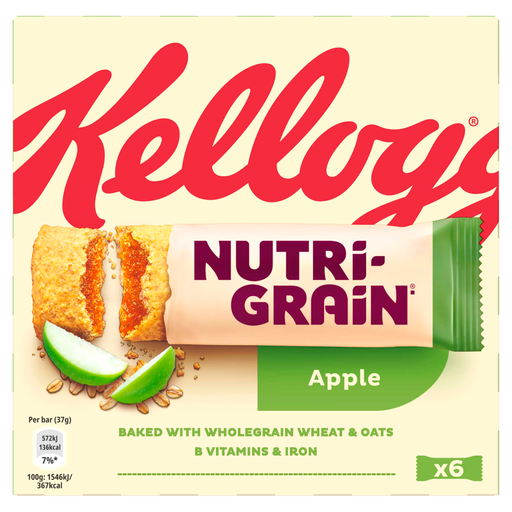
This Apple breakfast-bar multipack lists six bars and a total weight of 222g. Read its own serving definition and per-100g nutrition figures before comparing it with smaller cereal bars.
 No image available
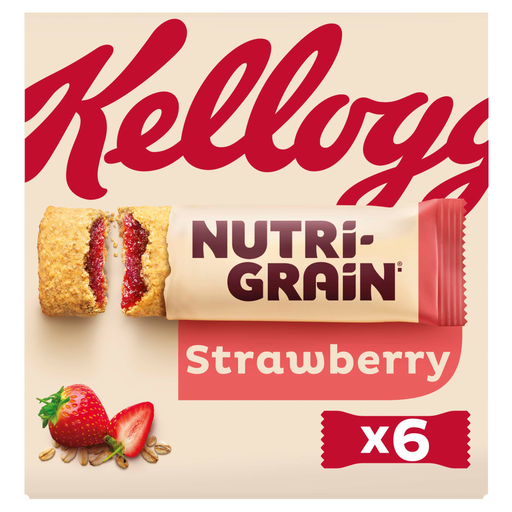
The Strawberry variant is listed as a six-pack weighing 222g in total. Check its current fat per 100g, serving size and ingredients separately from the Apple variant.
No. The nutrition-claims annex published by legislation.gov.uk requires a reduction of at least 30% compared with a similar product for a reduced-nutrient claim. Compare the product and its stated comparator rather than relying on two unrelated fat figures.
No. Kellogg’s UK lists 6.3g fat per 100g for its 27g Red Berry Bar, while the UK low-fat claim condition for solid food published by legislation.gov.uk is no more than 3g per 100g. Check the separate nutrition panel for the 21.5g-bar multipack listed on Joybuy.
Check the exact pack’s ingredients, allergen and may-contain statements, along with its serving size. Nature Valley UK flags possible nut and soya ingredients for Crunchy Oats & Honey; the named Eat Natural bars contain nuts, and Cashew & Blueberry has a milk-containing yoghurt coating.
Not for the nutrition or availability of a current variant. Alpen’s official FAQ says several former bars, including Alpen Light Bars Chocolate & Orange, are no longer made; check the identity and label of any Alpen product you are considering now.