Top-up shoppers comparing total fat
If you are adding individually portioned bars to a cupboard, desk or bag, compare fat per 100g before looking at fat per bar. Different bar sizes can make portion figures difficult to compare directly.


For a top-up shop, compare cereal bars by total fat per 100g before checking the amount in the bar you would eat. Among four specific bars listed on UK manufacturer pages, Kellogg’s Special K Red Berry Bar has the lowest declared total fat at 6.3g per 100g; that limited comparison does not establish which bar has the lowest fat across the market. Protein, fibre and wholegrain descriptions do not replace a check of fat, sugars, saturates and allergens.
If you are adding individually portioned bars to a cupboard, desk or bag, compare fat per 100g before looking at fat per bar. Different bar sizes can make portion figures difficult to compare directly.
If a fibre, protein or wholegrain description catches your eye, check the nutrition table as well. It lets you consider total fat, saturates and sugars separately from those descriptions.
If nuts, protein or fibre matter to your choice, keep your total-fat comparison separate. Nature Valley lists 18.4g fat per 100g for its Crunchy Cocoa & Hazelnut bars, while Eat Natural lists 36.3g per 100g for its Dark Chocolate & Peanut Protein Bar.
Start with comparable nutrition figures, then check the portion and ingredients for the exact flavour and pack you intend to buy.
| Priority | What to check | Your needs |
|---|---|---|
| Total fat and label wording | Compare total fat per 100g across the bars you are considering. For a “reduced fat” claim, check the similar product used for comparison: the UK legislation published by legislation.gov.uk requires a reduction of at least 30% against a similar product. | I want to compare bars on the same basis rather than judge them by pack wording or bar size. In the Food Standards Agency and Ipsos Northern Ireland’s 2024 survey, 49% of consumers interviewed said they actively used traffic-light labelling when shopping for food; that measures general label use, not cereal-bar choices. |
| Portion | After comparing per-100g figures, read the fat amount for the stated bar or serving. Check whether a serving means one bar or more. | A bar needs to fit the snack occasion, but I do not want a smaller portion to obscure the difference in fat per 100g. |
| Other nutrients | Read sugars and saturates alongside total fat. Check the nutrition table even when the pack highlights protein, fibre or wholegrain ingredients. | Fibre or protein may matter to me, but neither description answers my separate question about total fat. |
| Ingredients and allergens | Read the ingredient list and allergen statements for the exact flavour and pack. Check them again when switching variants. | My top-up choice must fit any ingredients I need to avoid, as well as my fat comparison. |
“Reduced fat” compares a product with a similar one; it does not, by itself, tell you the bar’s total fat content. The UK legislation published by legislation.gov.uk sets a minimum 30% reduction for a reduced-nutrient claim.
Look for the comparison behind the claim, then use the nutrition table to compare the bars you might buy per 100g.
Nature Valley declares 18.4g fat per 100g for its Crunchy Cocoa & Hazelnut bars; Eat Natural declares 36.3g per 100g for its Dark Chocolate & Peanut Protein Bar. Their fibre or protein positioning does not establish that they are reduced in fat.
Check total fat, saturates and sugars independently of whichever feature first attracted you to the bar.
The manufacturer examples use different portions: Kellogg’s lists a 27g Special K Red Berry bar and a 37g Nutri-Grain Apple bar, while Eat Natural lists a 40g bar. A serving figure alone is not a like-for-like comparison.
Compare per 100g first; then use the stated per-bar figure to assess the portion you would eat.
Alpen’s product FAQ lists Alpen Light Bars Chocolate & Orange among bars no longer being made. An older description may not identify a pack you can currently buy.
Confirm the exact flavour and pack in the listing, and read its current nutrition and allergen label.
These examples illustrate why the figures for an exact bar matter more than a general impression of its brand.
The reviewed Special K Red Berry and Nutri-Grain Apple bars offer two manufacturer-labelled cereal-bar examples with different portions.
Its reviewed Crunchy Cocoa & Hazelnut bars are an oat-based option for shoppers also considering fibre.
Its reviewed Dark Chocolate & Peanut Protein Bar is a nut-led option, rather than a reason to assume a lower total-fat figure.
Alpen bar names can appear in older product information, so the exact flavour matters when making a top-up purchase.
These individually portioned cereal and breakfast bars offer flavours and pack formats to consider for a top-up shop. Compare the nutrition and allergen information for the exact pack you choose; similarly named bars can have different sizes.
 No image available
The six individually portioned bars suit a top-up purchase. Check the nutrition and allergen details for this 21.5g-bar pack rather than using figures for the separately reviewed 27g Special K Red Berry bar.
 No image available
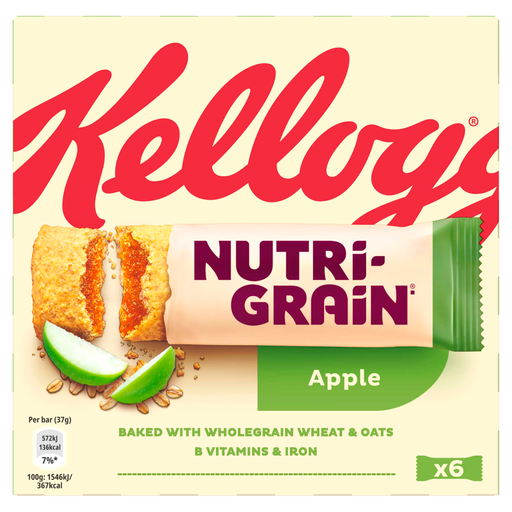
An apple-flavoured breakfast-bar option for the top-up shop. Use the exact pack’s nutrition table to compare total fat per 100g and check its allergen statement before buying.
 No image available
This four-pack offers an orange-flavoured cereal-bar choice. Treat “Light” as pack wording, not a substitute for checking total fat per 100g and the current allergen declaration.
 No image available
A dark-chocolate option in individually portioned bars. If you are comparing it with the Red Berry variant, check each pack’s own total-fat and sugars figures rather than assuming the flavours have the same nutrition profile.
 No image available
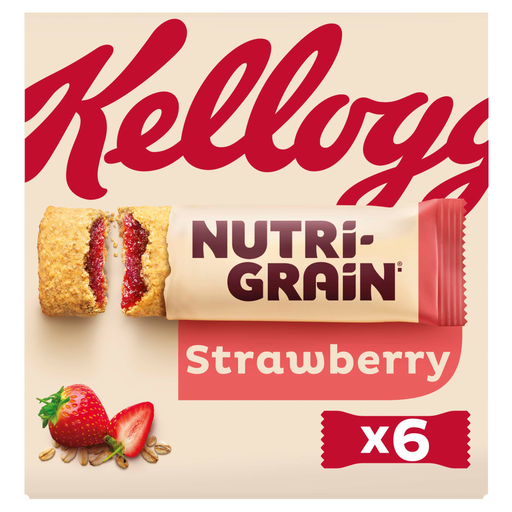
A strawberry-flavoured alternative for shoppers considering fruit-filled breakfast bars. Check this variant’s own nutrition and allergen information rather than applying the figures for the reviewed apple bar.
It is a comparison claim, not a statement of the bar’s total fat in isolation. The UK legislation published by legislation.gov.uk requires at least 30% less of the nutrient than in a similar product, so check the comparator and read the bar’s own nutrition table.
No. “Reduced fat” describes a difference from a similar product; it does not establish that a bar has a low total-fat content. Compare the per-100g figure rather than treating the two phrases as interchangeable.
Start with total fat per 100g for a like-for-like comparison, then check the stated amount per bar or serving. Confirm whether the serving contains one bar or several before using that figure for your snack choice.
No: those descriptions address different product features. Nature Valley declares 18.4g fat per 100g for its reviewed Crunchy Cocoa & Hazelnut bars, and Eat Natural declares 36.3g per 100g for its reviewed Dark Chocolate & Peanut Protein Bar. Read the fat figure for the exact product you are considering.
Read the current ingredient and allergen statements for the exact flavour and pack. The reviewed Eat Natural Dark Chocolate & Peanut Protein Bar contains peanuts and soya, while Nature Valley states that its reviewed Crunchy Cocoa & Hazelnut bars may contain soya, wheat, peanuts and tree nuts; neither statement should be applied to every bar from those brands.