Snackers putting fat first
If lower fat is your main criterion, compare products per 100g before looking at the amount in one wrapped bar. That separates differences in the recipe from differences in bar size.


For a movie-night cereal bar, compare fat and saturates per 100g first, then check the amount in the bar you plan to eat; a smaller bar’s per-bar figure alone does not show that its recipe contains less fat. Kellogg’s UK lists 6.3g fat per 100g for its 27g Special K Red Berry bar, while ASDA lists 10g per 100g for Alpen Delight Chocolate Caramel & Shortbread. Check the exact pack before choosing, particularly if sugars or allergens also matter to you.
If lower fat is your main criterion, compare products per 100g before looking at the amount in one wrapped bar. That separates differences in the recipe from differences in bar size.
Chocolate, caramel or coated flavours may be part of the appeal, but the flavour does not tell you the fat content. Check both the nutrition table and the weight of the bar you intend to eat.
Cereal bars in these ranges have differing ingredient and precautionary allergen declarations. Check the exact pack, including any ‘may contain’ statement, rather than relying on the brand or a different flavour’s label.
Use the per-100g figures to compare recipes, then the portion figures to assess the snack you plan to take into the film.
| Priority | What to check | Your needs |
|---|---|---|
| Fat and saturates | Compare total fat and saturates per 100g, then the figures for the actual bar. Read the two nutrients separately. | I’m choosing a bar with less fat, not just one that looks small. I also want to know how much saturated fat my chosen portion contains. |
| Portion and energy | Check the bar or serving weight and whether the stated serving is one bar or more. Read energy per serving alongside, not instead of, fat. | One bar may be enough for the film; I want to compare what I would actually eat rather than treating differently sized bars as equal portions. |
| Sugars and fibre | Read sugars and fibre on their own lines after checking fat. A lower-sugar, wholegrain or fibre claim does not establish the fat content. | Chocolate or fruit flavours matter to me, but I don’t want a sugar or fibre claim to answer a different question from the one I’m asking about fat. |
| Ingredients and allergens | Read the current pack’s ingredients, declared allergens and any ‘may contain’ statement for the exact flavour. | I need a bar that fits my ingredient requirements; a familiar range name is not enough to decide that. |
Nature Valley UK lists 17.9g fat per 100g for its Crunchy Apple & Cinnamon bars, despite the range’s fibre and wholegrain positioning. FatSecret UK lists 9.4g fat alongside 10g protein for a 50g Trek Original Oat Protein Flapjack.
If reducing fat is the priority, check fat and saturates directly; consider fibre or protein as separate attributes.
Tesco lists 22g fat per 100g for Graze Cherry Bakewell Oat Boosts alongside a 45% less-sugar comparison claim. The sugar claim does not describe the product’s fat content.
Compare the fat, saturates and sugars lines individually, according to which figures matter to you.
The cited product listings include portions ranging from a 24g Alpen Delight bar to a 50g Trek flapjack. Different weights make per-bar figures a poor substitute for a per-100g recipe comparison.
Compare per 100g first, then check the figures for the number of bars you expect to eat.
The listed bars have differing declared ingredients and precautionary statements. A gluten-free label, where present, does not establish that a product is free from nuts.
Read the exact pack’s ingredient and allergen declarations before eating, especially when changing flavour or buying a different multipack.
These figures describe specific listed bars, not every product made by each brand.
The Delight Chocolate Caramel & Shortbread bar is a chocolate-style option to assess by its nutrition panel rather than its flavour.
Special K Red Berry and Nutri-Grain Apple provide two distinct cereal-bar formats to compare.
The Crunchy Apple & Cinnamon example belongs to the brand’s oat-bar range.
Cherry Bakewell Oat Boosts illustrate why a sugar comparison and a fat comparison answer different questions.
The Dark Chocolate Almonds, Cranberries & Coconut bar is a fruit-and-nut example.
The Original Oat Protein Flapjack is a different format from a small cereal bar.
These options include smaller cereal bars and fruit-filled bars for a movie-night snack. Compare fat and saturates on the exact pack, as flavours and bar sizes differ.
 No image available
The 21.5g bar size makes the portion clear when planning one snack for a film. Check this pack’s fat and saturates rather than applying figures from Kellogg’s separately listed 27g Red Berry bar.
 No image available
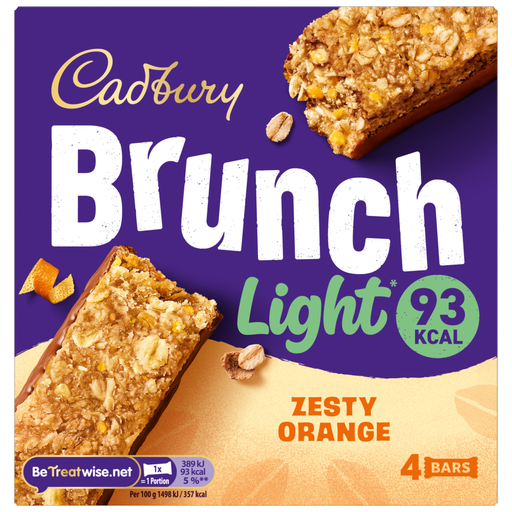
If orange and chocolate-style flavours appeal for movie night, check the fat and saturates panel for this four-bar pack. ‘Light’ in the product name is not a substitute for comparing nutrition figures.
 No image available
This is a dark-chocolate option in 21.5g portions. Compare its own per-100g fat and saturates with other flavours; a similar bar size does not mean the recipes have the same nutrition figures.
 No image available
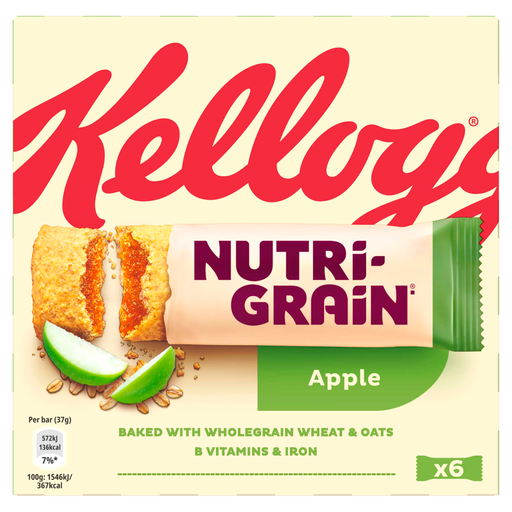
For a fruit-filled bar, compare sugars as well as fat. Kellogg’s UK lists 8.3g fat per 100g and 12g sugars per 37g bar for Nutri-Grain Apple; confirm the figures on this exact pack.
 No image available
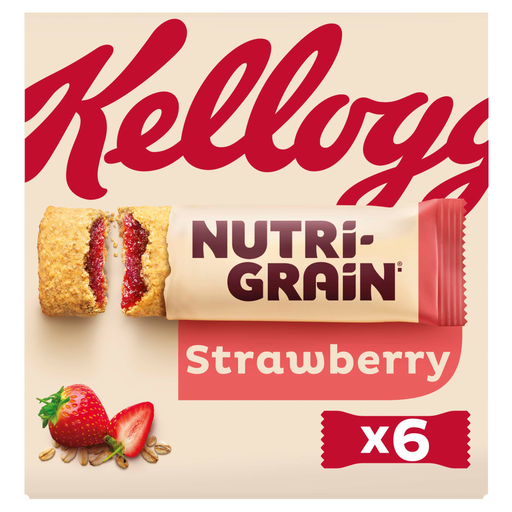
This strawberry variant offers a fruit-filled format for movie night. Check its own fat, saturates and sugars figures rather than using the Apple variant’s nutrition panel.
Compare total fat and saturates per 100g, then check both figures for the bar you intend to eat. GOV.UK explains that traffic-light labels, where shown, indicate levels of fat, saturates, sugars and salt; the full nutrition table helps when bar weights differ.
No: a smaller portion does not establish that the recipe has less fat per 100g. Compare per-100g figures first, then use the per-bar figures to assess your intended movie-night portion.
No. Tesco lists a 45% less-sugar comparison claim for Graze Cherry Bakewell Oat Boosts, but also lists 22g fat per 100g and 6.7g per 30g serving. Read sugars and fat separately.
Read the current pack’s ingredients, declared allergens and any precautionary ‘may contain’ statement for the exact flavour. Do not assume another bar from the same brand has the same ingredients or allergen declaration.
Use it to compare candidates, then check the physical pack before eating. This matters particularly when the bar size, flavour or allergen information is decisive for your choice.