Holiday snackers comparing total fat
If you are packing bars for travel or outings, compare total fat rather than treating a protein, wholegrain or lower-sugar message as a lower-fat claim.


Compare total fat per 100g before choosing a bar for a summer holiday: the NHS describes 3g or less per 100g as low fat, and none of the named products compared here meets that figure. Eat Natural Apple Soft Fruit Bar has the lowest total fat in this limited comparison at 4.9g per 100g, but contains 55g sugars per 100g and almonds; if you want a conventional cereal bar, Kellogg’s Special K Red Berry Bar has 6.3g fat and 28g sugars per 100g according to Kellogg’s UK. Check the exact pack’s nutrition and allergen information before travelling.
If you are packing bars for travel or outings, compare total fat rather than treating a protein, wholegrain or lower-sugar message as a lower-fat claim.
A familiar cereal-bar format may matter to you, but the per-100g fat figure is only part of the choice. Check sugars, the size of each bar and its declared allergens too.
If protein or fibre is your main reason for choosing a bar, check total and saturated fat separately. The TREK and Eat Natural protein-bar examples have different fat figures from the lower-fat fruit and cereal bars discussed here.
Start with the per-100g nutrition panel to compare bars of different sizes, then use the per-bar figures and ingredients to decide what to pack.
| Priority | What to check | Your needs |
|---|---|---|
| Total fat and portion | Compare total fat per 100g first, then read the amount per bar and the number of bars in a serving. The NHS describes 3g fat or less per 100g as low fat. | I want to compare different-sized bars on the same basis, then know what is in the portion I pack. In a 2024 Northern Ireland survey of 611 people, 49% told the Food Standards Agency and Ipsos Northern Ireland that they actively used traffic-light labels when shopping for food; that figure does not measure cereal-bar preferences. |
| Saturates and sugars | Read saturated fat and sugars separately from total fat, using the per-100g figures. A lower-sugar message does not establish the bar’s fat content. | A sugar or protein claim might catch my eye, but I also want to see the fat and saturates figures before choosing a holiday snack. |
| Ingredients and allergens | Check the ingredients, declared allergens and any may-contain statement on the exact flavour and pack. Do not assume that products from one brand have the same recipe. | If I am sharing bars on a trip, I need to check each person’s ingredient and allergen requirements against the wrappers we will actually take. |
| Pack format | Check the number and size of bars in the pack, and whether the wrapping suits how you plan to carry and share them. | For an outing, I want portions that fit the plan for the day, rather than choosing by the pack’s front label alone. |
A smaller bar can show less fat per portion without having less fat per 100g. That makes portion figures a poor starting point for comparing different products.
Compare total fat per 100g first; then use the pack’s per-bar figure to assess the portion you intend to take.
Tesco lists Graze Lively Lemon Oat Boosts at 21g fat per 100g despite its lower-sugar positioning. Ocado lists TREK High Protein Low Sugar Choc Peanut at 16g fat and 9g saturates per 100g.
Decide which nutrition figure matters to your choice, then check fat, saturates and sugars individually on the relevant pack.
Eat Natural lists 4.9g fat and 55g sugars per 100g for its Apple Soft Fruit Bar, but 36.3g fat per 100g for its Peanuts & Dark Chocolate Protein Bar. The flavour and format change the comparison.
Compare exact products, including their nutrition panels and allergen statements, rather than deciding by brand or category.
Alpen Muesli lists Alpen Light Bars Chocolate & Orange among products it no longer makes. An older product reference is not a dependable holiday shopping option.
Confirm that the precise flavour and pack you want are currently offered before putting them on your shopping list.
Checking an outdated listing can take extra shopping time.
These examples show why the exact bar matters more than a brand name when total fat is your main comparison.
Crunchy Chocolate Chip is one product in Nature Valley’s Crunchy range.
Older Alpen bar names can still appear in product searches.
Special K Red Berry Bar is a conventional cereal-bar example with a published UK nutrition panel.
Lively Lemon Oat Boosts illustrates the need to read fat and sugar figures separately.
Its Apple Soft Fruit Bar and Peanuts & Dark Chocolate Protein Bar have substantially different nutrition panels.
High Protein Low Sugar Choc Peanut is a protein-led bar, rather than an example that establishes a lower-fat choice.
These Joybuy listings are conventional cereal-bar and breakfast-bar formats to consider for holiday packing. Compare each exact pack’s nutrition panel with your lower-fat goal; a product name or brand alone does not establish its fat content.
 No image available
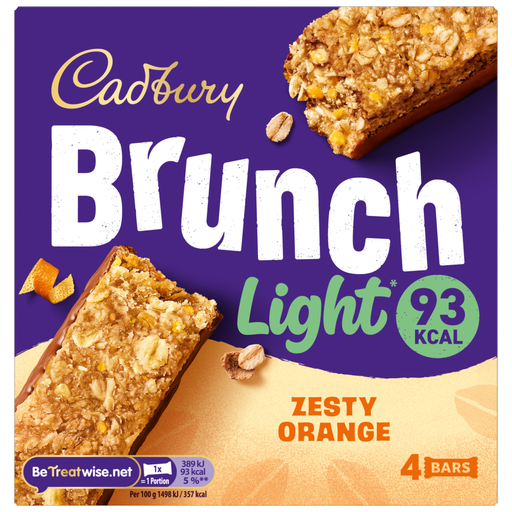
The four-pack offers portions to plan around a holiday outing. “Light” in the name does not establish that it meets the NHS low-fat figure of 3g or less per 100g; check the pack’s total fat, sugars and allergen information.
 No image available
If you prefer a conventional cereal bar, compare this six-pack’s own per-100g label with other flavours. Its stated 21.5g bar size differs from the serving size described for the Kellogg’s UK product researched above, so do not transfer that product’s nutrition figures to this listing.
 No image available
This six-pack provides a chocolate-flavour alternative for a trip. Check its own total fat, saturates and sugars per 100g rather than assuming it has the same figures as another Special K flavour.
 No image available
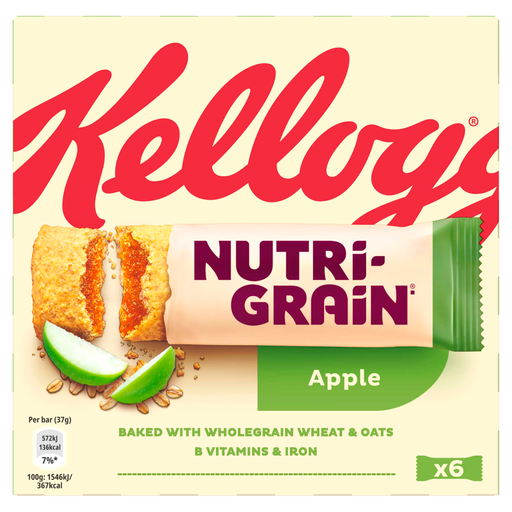
The apple variety is a six-pack of breakfast bars that could suit your holiday packing plan. Read its per-100g fat, saturates and sugars figures on the exact pack before comparing it with a smaller cereal bar.
 No image available
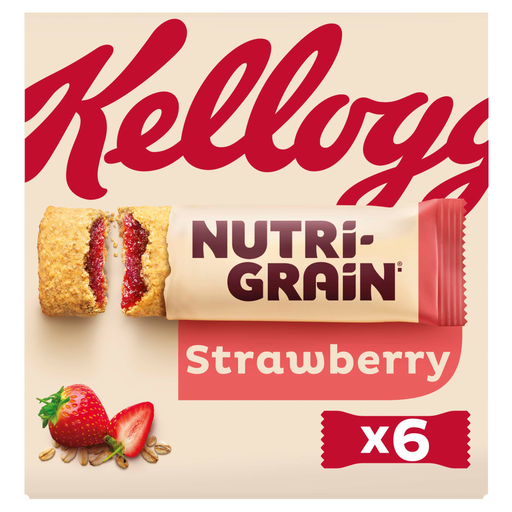
For a strawberry breakfast-bar option, this pack contains six bars. Compare its own nutrition and ingredient label with the apple variety rather than treating the shared Nutri Grain name as evidence of identical figures or allergens.
The NHS describes a solid food with 3g fat or less per 100g as low fat. Use the per-100g figure to compare bars of different sizes, then check the amount in the portion you plan to eat.
No. The lowest total-fat figure in this limited comparison is 4.9g per 100g for Eat Natural Apple Soft Fruit Bar, according to Eat Natural UK. That is above the NHS low-fat figure of 3g or less per 100g; it is not a conclusion about every cereal bar on sale.
No. Tesco lists Graze Lively Lemon Oat Boosts at 21g fat per 100g alongside its lower-sugar positioning. Compare total fat, saturates and sugars as separate figures on the exact product.
Read the ingredients and allergen statements on every exact pack you intend to share. Kellogg’s UK declares barley, oats, milk, soya and wheat for Special K Red Berry Bar, while Eat Natural UK says its Apple Soft Fruit Bar contains almonds and carries further may-contain warnings; those statements should not be transferred to different products or pack variants.