Students packing a short lecture-break snack
If a bar is going in your bag or alongside lunch, compare fat per 100g as well as the amount in the individual bar. A smaller portion alone does not establish that its recipe is lower in fat.


For a lecture-lunch cereal bar, compare total fat per 100g before judging a small bar by its calories or a ‘Light’ name: the NHS guide describes 3g of fat or less per 100g as low fat. Weetabix Cereals lists Alpen Light Summer Fruits at 4.3g per 100g, so even that option exceeds the guide. Check the exact pack’s portion size, sugars and allergens alongside its fat figure.
If a bar is going in your bag or alongside lunch, compare fat per 100g as well as the amount in the individual bar. A smaller portion alone does not establish that its recipe is lower in fat.
If fibre or protein also matters to your choice, read those figures separately from total fat and sugars. Neither a fibre claim nor a product name settles the reduced-fat question.
Read the ingredients and any ‘may contain’ statement on the exact pack before eating it. The named bars in this comparison have differing declarations involving cereals, milk, soya and nuts.
Start with per-100g figures to compare recipes, then check what the individual portion and ingredient list mean for the bar you intend to carry.
| Priority | What to check | Your needs |
|---|---|---|
| Total fat | Compare total fat per 100g on the current packs. The NHS low-fat guide is 3g or less per 100g; a bar can have less fat than another without meeting it. | I want a comparable figure before choosing a bar for lunch. If meeting the NHS low-fat guide is essential to my choice, I need to check the exact pack against its 3g-per-100g threshold. |
| Other nutrition figures | Read sugars and fibre per 100g alongside fat, then check the per-bar amounts. Assess protein separately if it matters to your snack choice. | I do not want a ‘Light’ name or a fibre claim to stand in for the whole nutrition panel. In a Food Standards Agency and Ipsos Northern Ireland survey of 611 people interviewed from September to November 2024, approximately 49% actively used traffic-light labels while shopping for food; that figure is not specific to students or cereal bars. |
| Portion size | Check the weight of one bar and whether the stated serving is one bar or more. Compare per-bar figures only after looking at the per-100g figures. | For a short break, I may want a single bar; for a packed lunch, I need to consider what else I am bringing rather than assume the bar replaces lunch. |
| Ingredients and allergens | Read the exact pack’s ingredients, emphasised allergens and any ‘may contain’ statement. Check again when buying a different flavour or pack size. | Before eating a campus snack, I need to know whether its own ingredient and precautionary statements fit my requirements. |
Weetabix Cereals lists Alpen Light Summer Fruits at 4.3g fat per 100g, while Kellogg’s UK lists its 27g Special K Red Berry Bar at 6.3g per 100g. Both exceed the NHS low-fat guide of 3g or less per 100g.
If the low-fat guide is your deciding criterion, check the current pack’s total fat per 100g rather than choosing between these bars by name.
A per-bar figure describes that serving, which may be smaller than another product’s serving. It does not provide a like-for-like comparison of the recipes.
Read the bar weight and per-100g fat and sugars figures before deciding whether the portion suits your packed lunch.
Nature Valley UK lists 18.4g fat per 100g for its Crunchy Cocoa & Hazelnut Flavour Bars. Fibre and fat describe different aspects of the same product.
Compare the specific flavour’s total fat, sugars and fibre on its current pack rather than transferring a claim across the range.
Declarations differ between the named bars. The Food Standards Agency explains that ‘may contain’ wording communicates possible unintended allergen presence, not an ingredient shared by every bar from a brand.
Check the physical pack’s ingredients, emphasised allergens and precautionary wording before eating it.
These examples concern the named products and ranges, not every cereal bar made by each brand.
Weetabix Cereals lists Alpen Light Summer Fruits as a 19g bar with 4.3g fat and 20g fibre per 100g.
Kellogg’s UK lists its 27g Special K Red Berry Bar at 6.3g fat and 28g sugars per 100g.
Nature Valley UK lists 18.4g fat and 7.6g fibre per 100g for its Crunchy Cocoa & Hazelnut Flavour Bars.
These Special K, Cadbury Brunch Light and Kellogg’s Nutri-Grain multipacks are options to consider for a lecture break or packed lunch. Check each exact pack’s nutrition and allergens; the name ‘Light’ does not establish that a bar meets the NHS low-fat guide.
 No image available
The six-bar pack offers individual portions for a lecture break. These are 21.5g bars, not the 27g Kellogg’s UK Red Berry bar discussed above, so use this pack’s own nutrition and allergen information rather than transferring the other bar’s figures.
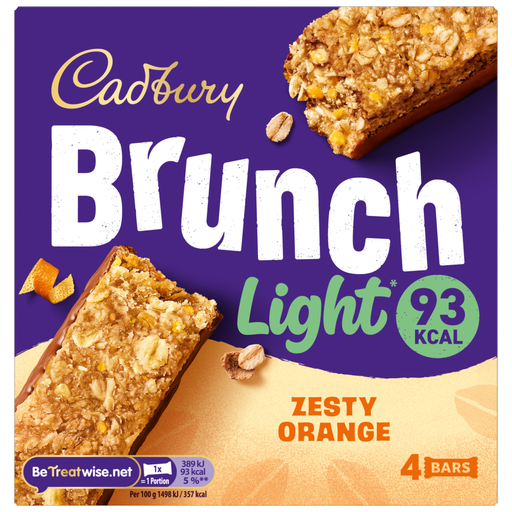 No image available
The orange-flavour four-pack is an option if you prefer this style of bar in your packed lunch. Compare its total fat and sugars per 100g with other packs; ‘Light’ in the product name is not a substitute for those figures.
 No image available
This six-bar dark chocolate variant offers a different flavour from the Red Berry pack at the same stated bar weight. Check its own per-100g fat and sugars figures rather than assuming the two Special K variants share a recipe.
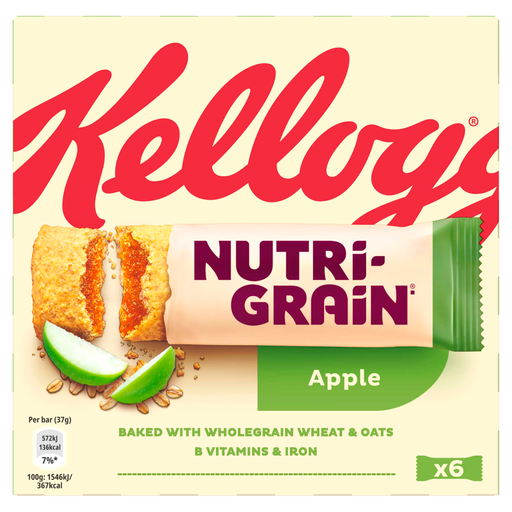 No image available
The apple variant is a six-pack to consider for a packed lunch. Read its per-100g figures and the stated serving size before comparing it with smaller cereal bars.
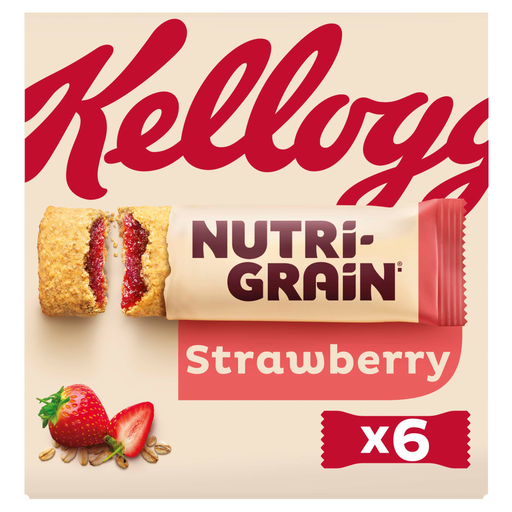 No image available
This strawberry six-pack is another fruit-bar option for a lecture-day lunch. Check its own fat, sugars and allergen declaration; the apple variant’s figures should not be assumed to apply to it.
No: check total fat per 100g on the exact pack. The NHS low-fat guide is 3g or less per 100g, whereas Weetabix Cereals lists Alpen Light Summer Fruits at 4.3g per 100g.
Use per-100g figures to compare different bars’ fat and sugars, then check bar weight and per-bar figures for the portion you would eat. The NHS notes that nutrition information is given per 100g and may also be given per portion.
A reduced-fat name or fibre figure does not establish that a bar replaces lunch. For scale, Weetabix Cereals describes its Alpen Light Summer Fruits bar as 19g, and Kellogg’s UK describes its researched Special K Red Berry Bar as 27g; consider the actual portion alongside what else you are packing.
Read the current ingredients, emphasised allergens and any ‘may contain’ statement on the exact bar before eating it. The Food Standards Agency explains that precautionary wording can indicate possible unintended allergen presence, so a brand name or an older listing cannot replace the pack check.