Someone who wants a lower-fat food gift
Compare the fat declaration on the packs you are considering, rather than treating “low fat” and “reduced fat” as interchangeable descriptions. The fruit, ingredients and portion format still matter.


For a Father’s Day dried-fruit gift, compare the fat figures on like-for-like nutrition panels, then choose a fruit and pack size that suit how the recipient will use it. A low fat figure does not by itself establish a “reduced fat” comparison, and “no added sugar” does not mean low sugar. Check the ingredients and allergens on the exact pack; for snack portions, NHS guidance advises having dried fruit with a meal rather than between meals.
Compare the fat declaration on the packs you are considering, rather than treating “low fat” and “reduced fat” as interchangeable descriptions. The fruit, ingredients and portion format still matter.
Look for an explicit no-added-sugar statement and a pack size that suits the recipient. Read the sugars figure too: Sainsbury’s lists 14g sugars in a 25g pack of BEAR Fruit Dried Mango despite its no-added-sugar label.
A larger pack may suit porridge, cereal or recipes better than small snack packs. Check its ingredients, allergen declaration and storage instructions, particularly if it is a mixed-fruit product rather than plain fruit.
Start with the intended use—an individual snack or fruit for a recipe—then compare labels for the same quantity of food. A front-of-pack phrase cannot replace the nutrition and ingredient information.
| Priority | What to check | Your needs |
|---|---|---|
| Fat and claims | Compare fat per 100g for like-for-like products; read per-serving figures alongside serving size. If a pack says “reduced fat”, check what similar food it is compared with. | I want to choose using the amount of fat in the product, not assume that a small fat figure proves a reduction. |
| Sugars and ingredients | Read sugars per serving and the ingredient list. Look for additions such as sugar, syrup or juice concentrate if a simpler fruit product is the preference. | A no-added-sugar label appeals to me, but I still want to know how much sugar the portion contains. |
| Portion and use | Check the weight of an individual pack or measure from a larger one. NHS guidance counts 30g dried fruit as one 5 A Day portion and advises eating it at mealtimes to reduce tooth-decay risk. | Small packs would suit a gift intended for individual portions; for cakes or breakfast, I would choose a quantity suited to the recipe. |
| Allergens | Read the ingredients and emphasised allergens on the exact variant. Some dried-fruit products, including Sainsbury’s Apple Rings and Whitworths Sunny Fruit Mix-Ups Apricots & Mango, declare sulphur dioxide or sulphites. | If the recipient has an allergy or intolerance, I need to confirm that the specific pack is suitable rather than rely on the brand name. |
A fat figure describes the product; it does not show that its fat content has been reduced compared with a similar food.
Use the nutrition panel to compare products on the same basis. Only describe a pack as “reduced fat” when its own claim and comparison support that wording.
Sainsbury’s lists 14g sugars per 25g pack for BEAR Fruit Dried Mango, which is labelled no added sugar.
Read both the no-added-sugar wording and the sugars figure for the amount the recipient is likely to eat.
Ingredients differ between variants. For example, Sainsbury’s Apple Rings and Whitworths Sunny Fruit Mix-Ups Apricots & Mango declare sulphur dioxide or sulphites.
Check the exact pack before gifting it and confirm suitability with a recipient who has a relevant allergy.
Pack weight and intended use are different decisions: a baking pack need not be treated as one snack. NHS guidance uses 30g as a dried-fruit portion and advises having dried fruit at mealtimes to reduce tooth-decay risk.
Choose defined packs if individual portions are useful, or plan how a larger pack will be used in meals or recipes.
These ranges illustrate different dried-fruit formats; an ingredient or nutrition figure for one product should not be assumed to apply across its brand.
Whitworths lists dried-fruit types including apricots, dates, figs, prunes and sultanas, giving shoppers choices for snacking and recipes.
Tesco lists individual dried fruits alongside a 500g mixed-fruit product intended for baking and cooking.
Sainsbury’s product examples include apple rings and portioned BEAR Fruit Dried Mango.
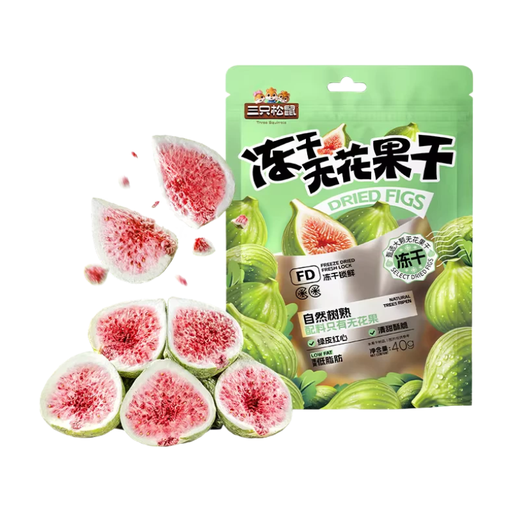
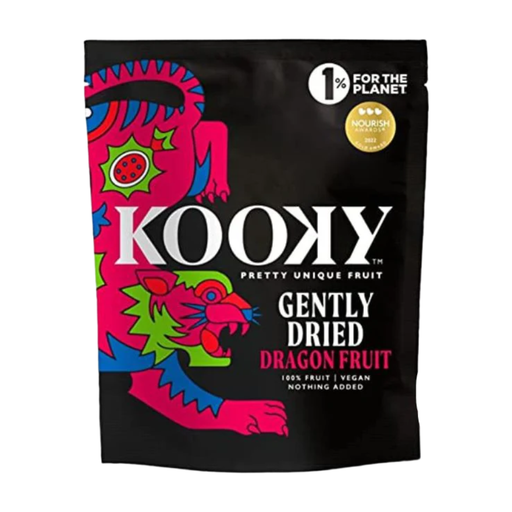
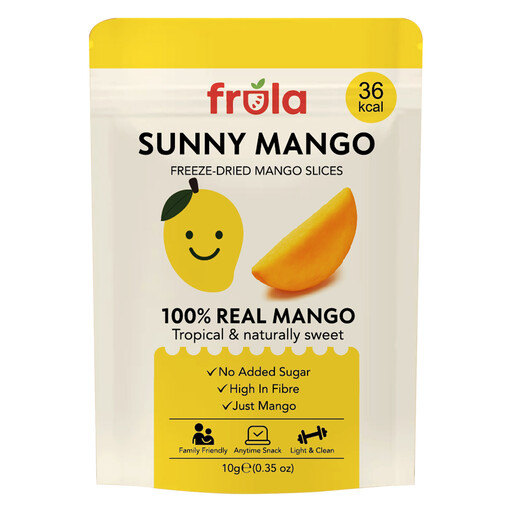
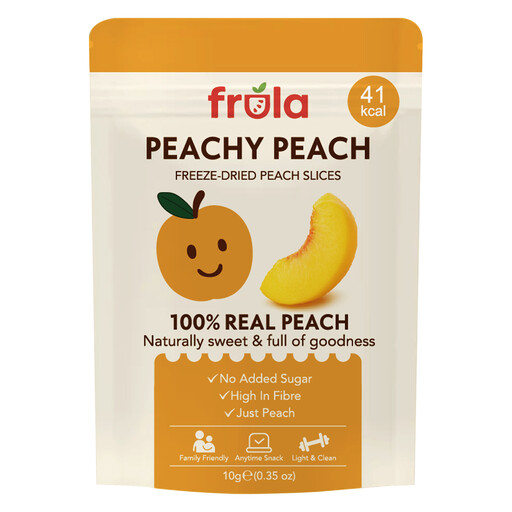
These Joybuy options include small packs of figs, dragon fruit, mango and peach for a snack-sized gift, plus a larger pack of individually wrapped prunes. Check each product’s current label for fat, sugars, ingredients and allergens before choosing.
 No image available
The 40g pack is an option for a recipient who prefers figs in a defined pack size. Check its nutrition panel and ingredients if fat, sugars or a no-added-sugar statement are important to the choice.
 No image available
The 20g pack suits a gift built around small, individually sized fruit packs rather than fruit for a large recipe. Check the exact pack’s sugars and allergen information for the recipient.
 No image available
This 10g freeze-dried mango pack is a small-format option for someone who prefers mango. It is less suited to a recipe requiring a larger quantity; compare its nutrition information with other mango packs on the same basis.
 No image available
Choose the peach variant if the recipient prefers that fruit in a small 10g pack. As with the mango variant, check its own sugars, ingredients and allergens rather than assuming the two flavours have identical labels.
 No image available
The 500g pack and individual wrappers offer a different format from the small fruit packs above. Do not rely on the product title’s “sugar-free” wording: the supplied nutrition information lists 30.5g sugars per 100g and its ingredients mention isomaltose. Check the exact pack before choosing it for someone avoiding sugars.
Yes. NHS guidance counts 30g of dried fruit as one 5 A Day portion. Check the weight of an individual pack or measure a portion from a larger one.
NHS guidance advises eating dried fruit at mealtimes rather than as a between-meal snack to reduce the risk of tooth decay. That is worth considering when choosing snack packs as a gift.
No. Read the sugars figure as well as the claim: Sainsbury’s lists 14g sugars in a 25g pack of BEAR Fruit Dried Mango labelled no added sugar.
No. A fat figure alone does not show a reduction against a similar food. Compare nutrition panels on a like-for-like basis, and check the basis of any “reduced fat” claim made on the pack.
Check all declared allergens on the exact product, including sulphur dioxide or sulphites where present. Sainsbury’s Apple Rings and Whitworths Sunny Fruit Mix-Ups Apricots & Mango both declare them; their labels do not establish the ingredients of other variants.