Shoppers comparing fat content
If you need dried fruit during a quick top-up shop, compare the per-100g fat figure and ingredients. A fruit snack made with oil can have a very different label from a conventional dried-fruit mix.


For a lower-fat dried-fruit top-up, compare total fat per 100g and check the ingredients rather than relying on the fruit pictured on the pack. The NHS describes 3g fat or less per 100g as low fat; the labels cited by M&S put two mixed-fruit packs within that guide, while Waitrose Banana Chips list 31g fat per 100g. Check sugars, sulphites and whether the pack suits how you plan to eat it before choosing.
If you need dried fruit during a quick top-up shop, compare the per-100g fat figure and ingredients. A fruit snack made with oil can have a very different label from a conventional dried-fruit mix.
If the fruit is for porridge, cereal or baking, consider the ingredients and how much the recipe calls for. The NHS advises eating dried fruit at mealtimes rather than as a between-meal snack to reduce the risk of tooth decay.
Read the current ingredient and allergen information on dried-fruit packs. The Food Standards Agency says sulphur dioxide and sulphites are often used in dried fruit, and that people with asthma have a higher risk of a reaction to sulphur dioxide.
Start with the per-100g nutrition panel so packs of different sizes are comparable, then read the ingredients and decide whether the fruit fits your intended meal or recipe.
| Priority | What to check | Your needs |
|---|---|---|
| Total fat | Compare total fat per 100g; the NHS low-fat guide is 3g or less per 100g. Check saturates separately and look for added oils in the ingredients. | I want a lower-fat dried-fruit pack, not an oil-added fruit snack. M&S lists 0.4g fat per 100g for Mixed Dried Fruit; Waitrose lists 31g per 100g for its coconut-oil banana chips. |
| Ingredients and sugars | Read the ingredient list for sweetened fruit, sugar, honey, syrups or candied peel. Compare sugars per 100g, but do not use that figure alone to identify added sugar. | For baking, I might want a mixed-fruit blend; for a simpler ingredient list, I would check what each blend contains. M&S lists sweetened fruit and candied peel in its Mixed Fruit with Cranberries and Apricots. |
| Eating occasion | Consider the amount you will use. The NHS says 30g of dried fruit counts as one 5 A Day portion and advises eating dried fruit at mealtimes to reduce tooth-decay risk. | If this is for breakfast or another meal, I can portion out what I need instead of eating repeatedly from the bag between meals. |
| Allergens and pack details | Check the current pack for sulphur dioxide or sulphites and any other relevant allergen information. Confirm the pack size and label before buying. | I need the ingredient and allergen information to fit my requirements. The Food Standards Agency notes that sulphites are often used in dried fruit; M&S lists E220 sulphites in one mixed-fruit pack. |
Waitrose Banana Chips contain coconut oil and list 31g fat and 28.1g saturates per 100g. M&S Mixed Dried Fruit lists 0.4g fat per 100g, so the fruit names alone do not make these comparable lower-fat choices.
If fat content drives the purchase, check the current per-100g panel and ingredients before choosing fruit chips.
A blend can include sweetened fruit, candied peel, oil and sulphites. M&S lists these ingredients in its Mixed Fruit with Cranberries and Apricots, despite its 2.6g fat per 100g figure falling within the NHS low-fat guide.
Read the full ingredients and allergen information if added ingredients or sulphites matter to your choice.
The NHS advises eating dried fruit at mealtimes rather than as a between-meal snack to reduce the risk of tooth decay.
If buying a larger bag for several uses, set aside the amount needed for each meal or recipe.
Two M&S mixed-fruit packs illustrate why the ingredient list matters alongside the fat figure.
Whitworths offers dried-fruit formats that may suit meal preparation as well as other uses.
Tesco lists dried-fruit products including raisins, prunes, cranberries and mango.
These dried-fruit formats offer different pack sizes and uses, from figs and freeze-dried figs to red dates, longan and wolfberries. Compare each current label with your fat and ingredient requirements; some products may need preparation before eating.
 No image available
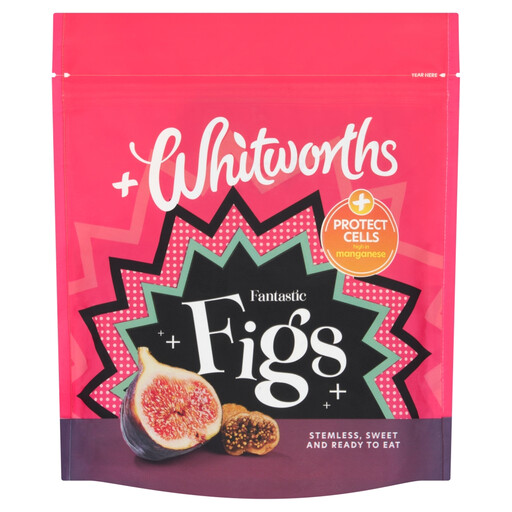
An option to consider for adding figs to a meal or recipe. The Joybuy listing gives dried figs and rice flour as ingredients and 1.3g fat per 100g; it also says the product is made in a facility handling nuts and peanuts.
 No image available
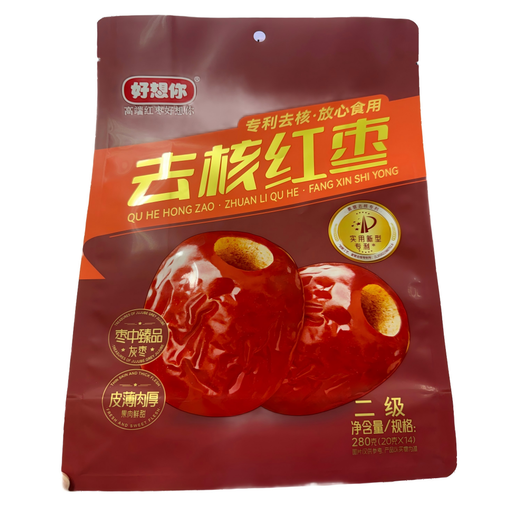
For a top-up purchase of pitted red dates, check the pack’s per-100g fat figure, ingredients and intended use before deciding whether it fits your meal plans.
 No image available
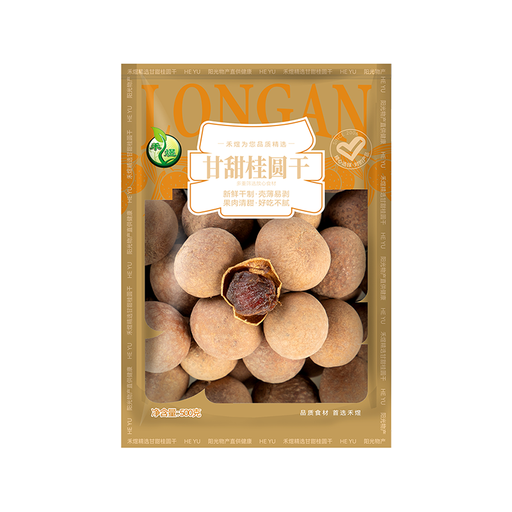
If buying longan for cooking, check the preparation instructions before use. Also compare its current per-100g nutrition panel and ingredients with your top-up-shop requirements.
 No image available
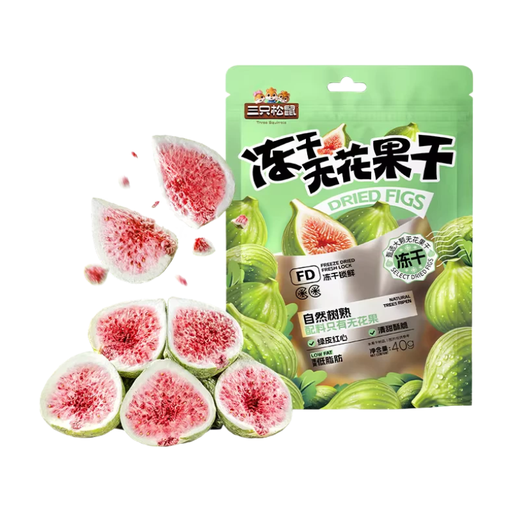
The 40g freeze-dried fig pack offers a different format from conventional dried figs. Check its texture, ingredients and per-100g fat figure if those differences matter for your intended use.
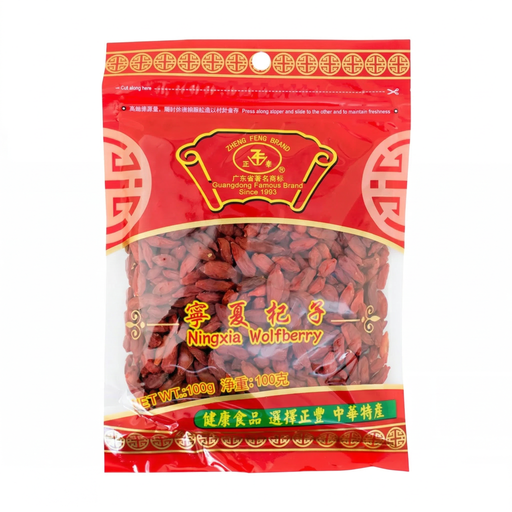 No image available
For adding wolfberries to a meal or recipe, check the pack’s preparation directions before use. Compare its per-100g fat figure and ingredient list with other dried-fruit options.
No. The NHS describes 3g fat or less per 100g as low fat, so compare the current per-100g label. M&S Mixed Dried Fruit lists 0.4g fat per 100g, while Waitrose Banana Chips, which contain coconut oil, list 31g per 100g.
Compare total fat and saturates per 100g, then read the ingredients for oils and sweetened components. Check the current pack’s allergen information and size before buying; the sugars figure shows total sugars, not how much sugar was added.
The NHS says 30g of dried fruit counts as one 5 A Day portion. It advises eating dried fruit at mealtimes rather than between meals to reduce the risk of tooth decay.
Yes, particularly if sulphites are relevant to your requirements. The Food Standards Agency says they are often used in dried fruit and that people with asthma have a higher risk of a reaction to sulphur dioxide. Read the current pack label: M&S lists E220 sulphites in its Mixed Fruit with Cranberries and Apricots.