Tea-break shoppers comparing fat
If fat is your main comparison, use the per 100g declaration on similar packs. A fruit-only pack and a fruit-and-nut mix need not have the same ingredients or fat value.


For an afternoon tea break, compare the fat declaration on similar dried-fruit packs rather than assuming you need a product labelled ‘reduced fat’. Check sugars and ingredients alongside fat: fruit-led and candied mixed-fruit products can differ even when both contain dried fruit. If your tea break is between meals, bear in mind that the NHS advises having dried fruit at mealtimes because of tooth-decay risk.
If fat is your main comparison, use the per 100g declaration on similar packs. A fruit-only pack and a fruit-and-nut mix need not have the same ingredients or fat value.
A low fat figure on its own does not show that fat has been reduced compared with a similar product. Check what any comparative claim is comparing, as well as the nutrition panel.
Timing matters as well as the pack choice. The NHS advises limiting dried fruit to mealtimes to reduce tooth-decay risk, which is relevant if afternoon tea is a separate break between meals.
Start with the nutrition declaration on the exact pack, then read the ingredients and consider when you plan to eat it.
| Priority | What to check | Your needs |
|---|---|---|
| Fat comparison | Compare fat per 100g on similar products. Marks & Spencer declares 0.5g per 100g for Orchard Fruits Medley; Tesco declares 2.5g per 100g for Dried Mixed Fruit. Neither figure alone establishes a ‘reduced fat’ claim. | I want to compare the fat in packs I might serve with tea, without treating every dried-fruit mix as interchangeable. |
| Sugars | Read sugars per 100g alongside fat, and check the ingredients for sweetening or candied fruit. The same Marks & Spencer and Tesco products declare 52.8g and 57.0g sugars per 100g respectively; Tesco lists candied peel made with glucose syrup and sugar. | A lower fat figure is not my only consideration; I also want to know what is in the fruit mix. |
| Nutrition labels | Use the exact pack’s nutrition declaration; where a traffic-light label is present, read the individual fat and sugar indicators rather than relying on a general front-of-pack impression. | I want a label I can use to compare products in the shop. In the Food Standards Agency and Ipsos Northern Ireland’s 2024 survey of 611 people in Northern Ireland, 49% said they actively used traffic-light labelling when shopping for food; that measures label use, not dried-fruit preferences. |
| Ingredients | Check for nuts, oils, candied peel and declared allergens on the current pack. Marks & Spencer lists sulphites and sunflower oil in Orchard Fruits Medley; Tesco lists candied peel in Dried Mixed Fruit. | If I have a particular ingredient requirement, I need the declaration for the pack I am buying, not an assumption based on ‘dried fruit’. |
| Serving and timing | GOV.UK guidance describes 30g of dried fruit as one fruit-and-vegetable portion, roughly equivalent to 80g of fresh fruit. The NHS advises limiting dried fruit to mealtimes to reduce tooth-decay risk. | For a separate afternoon break, I need to decide whether dried fruit fits the occasion or would be better served with a meal. |
A per 100g value tells you how much fat the product declares, not how it compares with a similar product.
Look for the comparison behind any ‘reduced fat’ wording, then compare the nutrition declarations of similar packs.
Marks & Spencer’s Orchard Fruits Medley declares 0.5g fat and 52.8g sugars per 100g. Tesco Dried Mixed Fruit declares 2.5g fat and 57.0g sugars per 100g, and includes candied peel.
Read both nutrition figures on the same per 100g basis and check whether the recipe contains candied fruit, syrups, oils or nuts.
The NHS advises limiting dried fruit to mealtimes to reduce tooth-decay risk. A tea break between meals does not become a mealtime merely because the fruit is served with tea.
If you plan to follow that guidance, serve dried fruit with a meal rather than grazing on it through the afternoon.
Dried-fruit recipes can include ingredients beyond fruit: Marks & Spencer’s Orchard Fruits Medley lists sulphites and sunflower oil, while Tesco Dried Mixed Fruit lists candied peel.
Read the current pack label, particularly if an allergen or specific ingredient matters to you.
These examples illustrate different labels and product types; their figures apply to the named products, not every item from each brand.
Marks & Spencer’s Orchard Fruits Medley is a fruit-led example for comparing declared fat and sugars.
Tesco Dried Mixed Fruit is a different type of mix, with candied peel among its ingredients.
Whitworths provides serving-size guidance for familiar dried fruits, including prunes, figs and raisins.
These prune, red-date and longan packs offer fruit-based options to consider for afternoon tea. Compare each current pack’s fat, sugars, ingredients and serving information before deciding whether it meets your needs.
 No image available
A pitted prune option for a fruit-based serving. Check the current ingredients and nutrition declaration rather than relying on the product name’s ‘sugar-free’ wording.
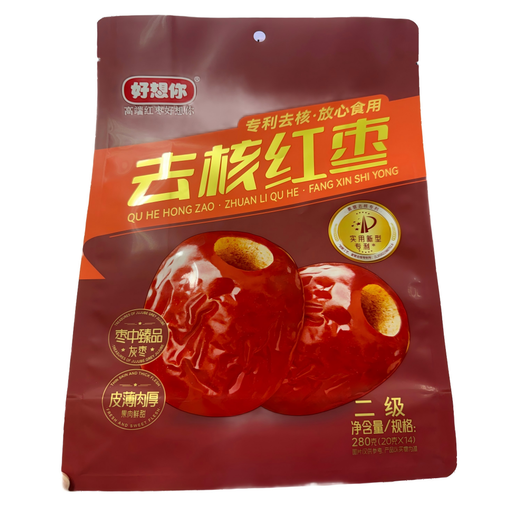 No image available
These pitted red dates offer an alternative to prunes for a measured tea-time serving. Check the pack’s fat and sugars per 100g and take care when eating pitted fruit, which can occasionally contain stone fragments.
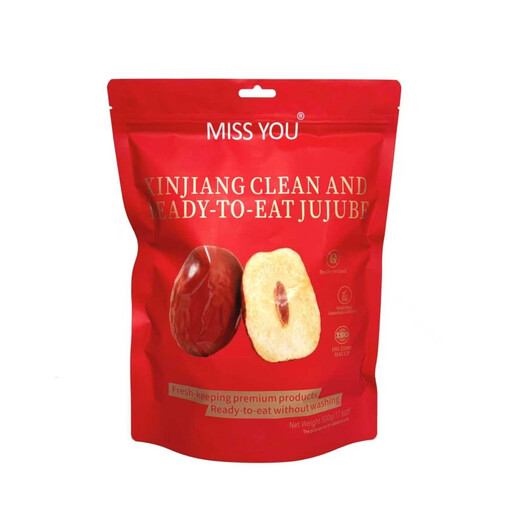 No image available
A 500g jujube pack labelled ‘no-wash’. Unlike the pitted red-date option above, these jujubes are not described as pitted; check how you intend to serve them, as well as the pack’s nutrition declaration.
 No image available
Dried longan provides another fruit choice if you prefer something other than prunes or dates. Check the 400g pack’s ingredients, nutrition declaration and serving information before buying.
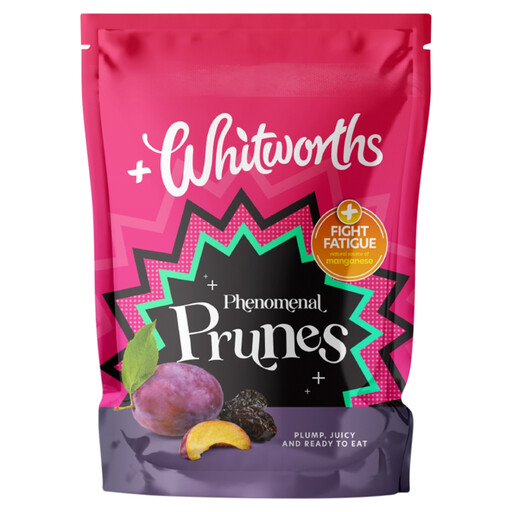 No image available
A 190g prune pack for shoppers who prefer a familiar dried-fruit variety. Whitworths’ general 30g serving guidance does not establish this pack’s nutrition or ingredients, so read its own label.
No. ‘Reduced fat’ describes a comparison with a similar product; a fat figure by itself does not show a reduction. Compare like-for-like packs and read the wording of any claim.
GOV.UK guidance describes 30g of dried fruit as one fruit-and-vegetable portion, roughly equivalent to 80g of fresh fruit. Check the pack if you need its nutrition values per serving.
The NHS advises limiting dried fruit to mealtimes to reduce tooth-decay risk. If afternoon tea is a separate between-meal break, serving the dried fruit with a meal instead follows that advice.
Check the current pack for ingredients and declared allergens that matter to you. Marks & Spencer lists sulphites and sunflower oil in Orchard Fruits Medley, while Tesco Dried Mixed Fruit lists candied peel made with glucose syrup and sugar; those declarations do not describe every dried-fruit product.